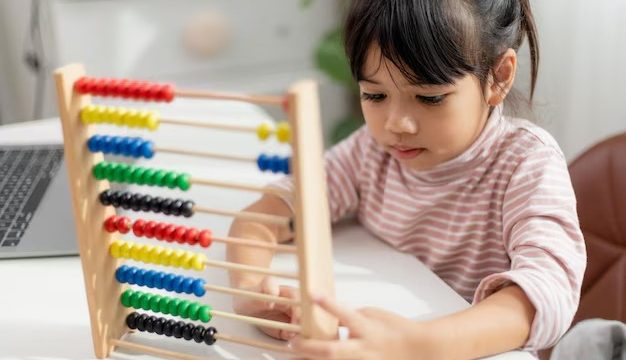
Learning to enjoy simple arithmetic can be a delightful journey, one that opens doors to a newfound appreciation for numbers.
In our fast-paced world, where complex calculations often take center stage, it’s easy to overlook the beauty and simplicity of basic math.
Yet, there’s something inherently satisfying about mastering addition, subtraction, multiplication, and division. These fundamental skills can enrich our daily lives, making us feel more empowered and engaged with the world around us.
Finding joy in arithmetic starts with a gentle mindset shift. Instead of viewing math as a chore or a hurdle, consider it a tool for exploration and creativity. Think of arithmetic as a language that describes the world, a way to quantify our experiences and understand the patterns that shape our lives. When we approach it with curiosity, we can uncover the joy hidden within numbers.
Engaging with simple arithmetic can be woven into our everyday lives in subtle but meaningful ways. For instance, when grocery shopping, instead of relying solely on calculators or cash registers, why not challenge yourself to estimate the total cost of your items? This not only sharpens your addition skills but also enhances your awareness of budgeting and spending. It becomes an interactive game, where you can celebrate small victories each time you estimate correctly.
Another wonderful way to cultivate a love for arithmetic is through cooking. Recipes often require measurements and conversions, providing an opportunity to practice fractions and basic multiplication. Imagine whipping up a delicious dish while effortlessly doubling a recipe or adjusting ingredients based on how many people you’re serving. Each stir of the pot becomes a moment of learning and discovery, transforming cooking into an enjoyable arithmetic adventure.
As we delve deeper into the world of numbers, it’s essential to create a supportive environment that encourages exploration. This might mean surrounding ourselves with resources that make learning engaging. Consider picking up a few fun math games or puzzles that challenge your mind in a playful way. There are countless apps and websites designed to make arithmetic enjoyable, turning practice into a delightful pastime rather than a tedious task.
Incorporating arithmetic into social activities can also enhance our enjoyment. Gather friends or family for a game night featuring board games that involve numbers. Games like Monopoly or even card games can provide a fun atmosphere for practicing basic math skills while fostering connection and laughter. The social aspect of learning can transform what might seem like a solitary activity into a shared experience full of joy and camaraderie.
A small shift toward balance can also be achieved by recognizing the role of arithmetic in our hobbies and interests. If you enjoy gardening, for example, consider the math involved in planning your garden layout. How many plants can you fit in a certain area? What are the ideal spacing requirements for each type of plant? This kind of practical application helps to ground arithmetic in real-life scenarios, making it feel relevant and vital.
Mindfulness can play a significant role in our relationship with numbers. When we slow down and focus on the process of calculation, we can experience a sense of calm and clarity. Instead of rushing through arithmetic tasks, take a moment to breathe and appreciate the logic behind each step. This mindfulness can transform our perception of math from a stressful obligation into a serene practice, akin to meditation.
It’s also essential to embrace mistakes as part of the learning process. When we approach arithmetic with the understanding that errors are natural, we free ourselves from the fear of failure. Each miscalculation becomes an opportunity for growth, a chance to explore different methods and deepen our understanding. This gentle acceptance can foster a more positive attitude toward arithmetic, allowing us to enjoy the journey rather than fixate solely on the destination.
As we learn to enjoy simple arithmetic, it’s important to celebrate our progress, no matter how small. Each time we tackle a new concept or solve a problem, we build confidence and reinforce our skills. Keeping a journal to track our arithmetic adventures can be a wonderful way to reflect on our growth. Write down your experiences, the challenges you faced, and the triumphs you achieved. This practice not only enhances our learning but also serves as a source of motivation.
Exploring the world of arithmetic doesn’t have to be a solitary endeavor. Share your journey with others, whether it’s through discussions with friends, family, or online communities. Engaging with others who share your interest can provide encouragement and new insights. You might discover unique perspectives on problem-solving or creative ways to apply arithmetic in daily life.
In time, as we cultivate a deeper appreciation for simple arithmetic, we may find that it enhances our overall well-being. The skills we develop can lead to increased confidence, better decision-making, and a greater sense of control over our lives. Embracing numbers can be a pathway to mindfulness, creativity, and connection—transforming our relationship with math into one that is enjoyable and fulfilling.
Ultimately, learning to enjoy simple arithmetic is about more than just mastering calculations. It’s about fostering curiosity, building connections, and embracing the beauty of numbers in our everyday lives. As we embark on this journey, let’s remember that every step, every calculation, and every moment spent exploring the world of arithmetic is an opportunity to celebrate the simple joys of life.