In today’s fast-paced educational environment, the importance of fostering teamwork and cooperation among students cannot be overstated.
As classrooms become more diverse and collaborative, teaching students to work together effectively is a crucial skill that will serve them well beyond their school years.
Encouraging teamwork not only enhances academic performance but also nurtures important life skills such as communication, empathy, and conflict resolution.
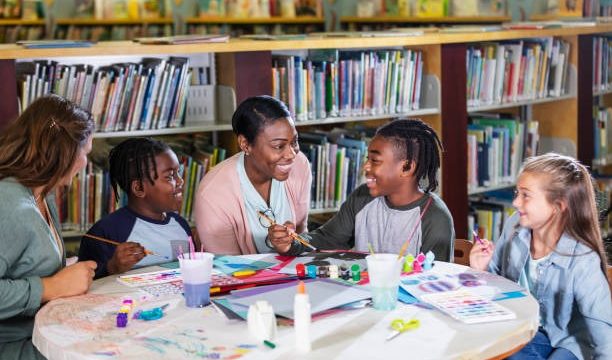
Creating a sense of community within the classroom is one of the first steps toward nurturing teamwork. When students feel connected to one another, they are more likely to engage in collaborative activities. Teachers can facilitate this by promoting an inclusive atmosphere where every student feels valued and heard. Simple practices like icebreaker activities can help students get to know one another and establish rapport. When students understand each other’s strengths and backgrounds, they are more likely to cooperate during group tasks.
A small shift toward balance can also make a significant difference. Rather than allowing one or two students to dominate group discussions, educators can encourage equal participation by assigning specific roles within groups. This not only ensures that everyone has a chance to contribute but also teaches students the importance of accountability. When each member understands their role and responsibilities, it fosters a sense of ownership over the group’s success. The collaborative process becomes a shared journey, where every voice is heard, and every effort is appreciated.
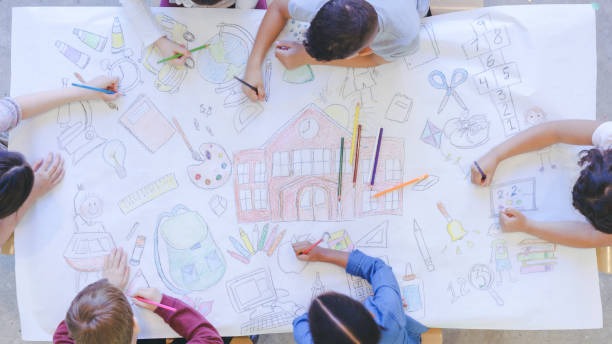
Integrating project-based learning into the curriculum is another effective way to cultivate teamwork among students. By engaging in projects that require collaboration, students learn to rely on one another’s skills and perspectives. Whether it’s a science experiment, a history presentation, or a creative art project, working together toward a common goal helps students develop a deeper understanding of the subject matter while also building interpersonal skills. It’s in these moments of collaboration that students learn how to negotiate ideas, share responsibilities, and celebrate each other’s contributions.
Emphasizing the value of diverse perspectives can also enhance teamwork. In a classroom filled with students from various backgrounds, encouraging them to share their unique viewpoints can lead to richer discussions and more innovative solutions to problems. Teachers can create a culture of respect and curiosity by actively inviting students to express their thoughts and ideas. This not only promotes cooperation but also broadens students’ horizons, helping them appreciate different approaches and insights. When students learn to value diversity, they become more adaptable and open-minded, traits that are essential in both academic and professional settings.
Building a supportive environment where mistakes are viewed as learning opportunities is vital for fostering cooperation. In a culture where students feel safe to take risks and express their ideas without fear of judgment, they are more likely to engage in collaborative activities. Teachers can reinforce this by providing positive feedback and encouraging reflection after group tasks. When students discuss what went well and what could be improved, they learn to appreciate the process of teamwork rather than just the end result. This mindset encourages resilience and a willingness to work together, even when challenges arise.
Celebrating achievements, both big and small, can further strengthen the bonds between students. Acknowledging the hard work and efforts of the group fosters a sense of camaraderie and encourages continued collaboration. This can be as simple as verbal recognition during class discussions or small tokens of appreciation for successful projects. When students feel that their contributions are valued, they are more likely to invest in future group activities, creating a positive cycle of cooperation.
The role of technology in promoting teamwork should not be overlooked. With the rise of digital tools and platforms, students can collaborate in new and exciting ways. Online group projects, shared documents, and virtual brainstorming sessions allow students to work together, even outside of the classroom. Embracing these tools can make collaboration more engaging and accessible, especially for students who may feel shy or hesitant to speak up in person. By integrating technology into group work, educators can prepare students for a future where teamwork often transcends physical boundaries.
Encouraging peer mentoring can also be a powerful way to build teamwork skills. Pairing students with different strengths and weaknesses allows them to learn from one another while fostering a sense of responsibility. As they work together, students develop not only their academic skills but also their ability to empathize and communicate effectively. This relationship can create a lasting bond, enhancing the overall classroom environment and contributing to a culture of cooperation.
As students navigate their educational journeys, the ability to work well with others will be an invaluable asset. By fostering an environment that encourages teamwork and cooperation, educators equip students with the skills they need to thrive in both their academic and personal lives. The relationships built through collaborative efforts can lead to lifelong friendships and a deeper appreciation for the diverse perspectives that each individual brings to the table.
In conclusion, promoting teamwork and cooperation among students is a multifaceted endeavor that requires thoughtful consideration and intentional strategies. By creating a supportive and inclusive atmosphere, integrating project-based learning, and celebrating achievements, educators can nurture a culture of collaboration that benefits everyone involved. As students learn to work together harmoniously, they not only enhance their academic performance but also develop essential life skills that will serve them well in their future endeavors. The journey toward fostering teamwork is not just about achieving academic success; it’s about building connections that enrich the educational experience and prepare students for the world beyond the classroom.