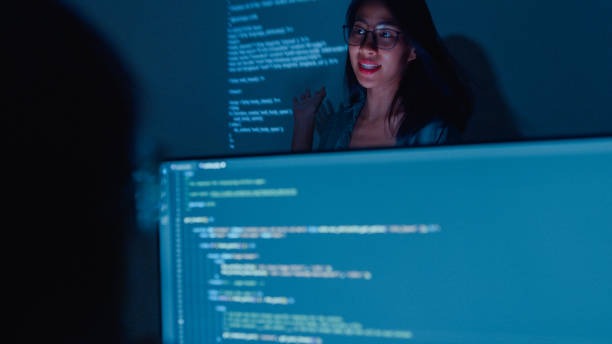
In today’s world, where technology is woven into the fabric of our daily lives, learning to code has become an invaluable skill.
Among the various programming languages available, Python stands out for its simplicity and versatility.
Whether you’re a complete beginner or someone looking to enhance your skill set, Python coding tutorials offer a gentle introduction to the world of programming.
The beauty of Python lies in its readability. Designed to be easy to understand and write, Python allows aspiring coders to focus on learning programming concepts without getting bogged down by complex syntax. This makes it an ideal choice for everyone, from students to professionals seeking a new hobby. Imagine sitting down with a warm cup of tea, opening your laptop, and embarking on a journey into coding that feels less like a chore and more like a delightful exploration.
Finding Your Starting Point
Starting your coding journey can be a little daunting, but the key is to approach it with a curious mindset. There are countless resources available online, ranging from free tutorials to comprehensive courses. Platforms like Codecademy, Coursera, and edX provide structured paths that guide you through the basics of Python. These tutorials often break down complex concepts into manageable sections, allowing you to learn at your own pace.
As you explore these resources, it’s important to remember that everyone learns differently. Some may find it helpful to watch video tutorials, while others prefer reading textual guides. Experimenting with different learning styles can help you discover what resonates most with you. This small shift toward balance in your approach can lead to a more enjoyable learning experience.
Creating a Comfortable Learning Environment
Just as a serene space can enhance your yoga practice or meditation, a comfortable learning environment can significantly impact your coding journey. Find a quiet place where you can focus, free from distractions. Set up your workspace with everything you need—your laptop, a notebook for jotting down ideas, and perhaps a cozy blanket to keep you warm.
As you settle into your learning routine, consider incorporating breaks into your study sessions. Stepping away from the screen for a few moments can refresh your mind and help solidify what you’ve learned. Whether it’s a short walk outside or a few deep breaths, these moments of pause can foster creativity and clarity.
Engaging with the Community
One of the most rewarding aspects of learning Python is the vibrant community that surrounds it. Online forums, social media groups, and local meetups provide a space for learners to connect, share experiences, and seek guidance. Engaging with others who share your interest can be incredibly motivating.
You might find yourself inspired by someone else’s project or encouraged by their journey. Sharing your own progress, no matter how small, can also foster a sense of accomplishment. Celebrating these milestones, even if they seem minor, can help sustain your enthusiasm for learning.
Exploring Practical Applications
As you gain confidence in your Python skills, you may feel a spark of curiosity about the practical applications of what you’re learning. Python is used in a variety of fields, from web development to data analysis, artificial intelligence, and beyond. Exploring these areas can help you identify which path excites you the most.
Consider taking on small projects that align with your interests. If you enjoy storytelling, why not create a simple text-based game? If you’re passionate about data, try analyzing a dataset that fascinates you. These hands-on experiences can deepen your understanding and make learning feel more relevant and engaging.
Embracing the Learning Curve
It’s essential to approach your coding journey with patience and compassion for yourself. Learning a new language, especially one as nuanced as Python, comes with its share of challenges. There will be moments of frustration when things don’t work as expected or when you encounter errors that seem impossible to solve.
During these times, remind yourself that every coder has faced similar hurdles. Embracing the learning curve, with all its ups and downs, is a vital part of the process. Each mistake is a stepping stone toward mastery, and with every error you encounter, you’re building resilience and problem-solving skills.
Finding Joy in the Process
As you navigate the world of Python coding, remember to find joy in the process. It’s easy to become fixated on the end goal—a finished project, a new job, or a skill mastered—but the journey itself is where the magic happens. Celebrate your curiosity, your persistence, and the small victories along the way.
Consider journaling your experiences as you learn. Documenting your thoughts and feelings can provide insight into your progress and help you reflect on what you’ve accomplished. It can also serve as a source of encouragement during more challenging times.
The Road Ahead
As you continue to explore Python coding tutorials, keep in mind that this is just the beginning of your journey. The world of programming is vast and constantly evolving, offering endless opportunities for growth and discovery. With each new skill you acquire, you’re not just learning to code; you’re also developing a mindset that embraces lifelong learning.
In a way, learning Python is like nurturing a plant. It requires patience, care, and a willingness to adapt. As you cultivate your skills, you’ll find that the rewards are bountiful—whether it’s the satisfaction of creating something new, solving a complex problem, or connecting with others who share your passion.
So, take a deep breath, dive into those tutorials, and let the world of Python unfold before you. Embrace the journey, savor the moments of learning, and enjoy every step along the way. The adventure of coding awaits, and it’s yours for the taking.