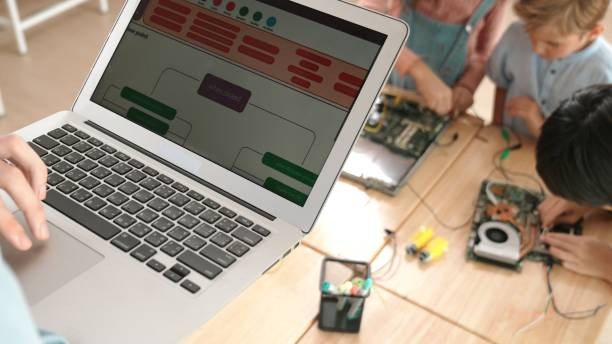
Embarking on a journey through C++ programming can feel a bit like stepping into a new world.
For many, the idea of learning a programming language might seem daunting, but just like any new endeavor, it begins with a simple step.
C++ is a powerful language that offers a blend of flexibility and efficiency, making it a popular choice among developers. Let’s take a gentle stroll through the process of learning C++, exploring its nuances and the joy of creating something from scratch.
Understanding the Basics
Before diving into coding, it’s essential to understand what C++ is all about. At its core, C++ is an object-oriented programming language that builds on the foundations laid by its predecessor, C. It allows for both procedural and object-oriented programming, giving developers the tools to create complex software systems. The beauty of C++ lies in its versatility, which can be applied to everything from game development to systems programming.
As you begin, it’s helpful to familiarize yourself with the fundamental concepts. Think of variables, data types, and control structures as the building blocks of your programming journey. Variables are like containers that hold data, while data types specify what kind of data can be stored. Control structures, such as loops and conditionals, help guide the flow of your program. Each of these elements plays a vital role in how your code functions.
A gentle introduction to coding
Once you have a grasp of the basics, it’s time to open your preferred code editor and start writing your first lines of C++ code. Many beginners find it helpful to start with a simple “Hello, World!” program. This classic exercise serves as a gentle introduction to the syntax and structure of C++. In just a few lines, you’ll see the magic of your code come to life on the screen.
Writing your first program can be exhilarating. As you type out the code, you might feel a sense of accomplishment as you realize that you are creating something entirely new. The process of compiling and running your program is like watching your ideas take shape. And if you stumble upon an error, remember that debugging is a natural part of the learning process. Every mistake is an opportunity to learn and grow.
Building upon your foundation
With your first program under your belt, it’s time to expand your knowledge. Delve into more complex topics, such as functions and classes. Functions allow you to encapsulate code into reusable blocks, making your programs more organized and efficient. Classes, on the other hand, introduce you to the world of object-oriented programming, where you can create objects that represent real-world entities.
As you experiment with these concepts, consider how they relate to everyday life. Just as we have different roles and responsibilities, functions and classes help organize code in a way that mirrors our experiences. This approach can make programming feel more intuitive and relatable.
The joy of problem-solving
One of the most rewarding aspects of learning C++ is the opportunity to solve problems. As you encounter challenges, whether it’s optimizing a piece of code or figuring out a tricky algorithm, you’ll develop critical thinking skills that extend beyond programming. Embrace the process of troubleshooting and remember that every problem has a solution waiting to be discovered.
Engaging with the programming community can also enhance your learning experience. Online forums, coding groups, and social media platforms provide spaces for collaboration and support. Sharing your journey with others can lead to new insights and friendships, enriching your understanding of C++ and programming in general.
Finding your rhythm
As you continue your C++ journey, it’s important to find a rhythm that works for you. Learning to code is not a race; it’s a personal journey that requires patience and perseverance. Set realistic goals and celebrate your progress, no matter how small. Whether it’s mastering a new concept or completing a project, each step forward is a testament to your dedication.
Consider integrating coding into your daily routine in a way that feels natural. Perhaps you dedicate a few minutes each day to practice, or you carve out larger chunks of time on weekends. Whatever approach you choose, consistency is key. Over time, you’ll find that your skills grow, and the language becomes more familiar and intuitive.
Embracing creativity
C++ programming is not just about writing code; it’s also a canvas for creativity. As you become more comfortable with the language, think about the projects that excite you. Whether it’s a game, a mobile app, or a tool to solve a specific problem, allowing your imagination to take flight can make learning feel more engaging.
Don’t be afraid to experiment with your ideas. The beauty of programming lies in its flexibility; you can build, modify, and reimagine your projects as you see fit. Each creation is a reflection of your unique perspective, and the process can be incredibly fulfilling.
Reflecting on your journey
As you progress in your C++ programming journey, take time to reflect on what you’ve learned. Consider keeping a journal of your experiences, documenting the challenges you’ve faced and the successes you’ve achieved. This practice can provide insight into your growth and help solidify your understanding of the language.
Remember, learning C++ is a continuous journey, and there’s always more to explore. As you look ahead, stay curious and open to new possibilities. The world of programming is vast, and each new skill you acquire opens doors to exciting opportunities.
In conclusion, embarking on a journey in C++ programming is not just about learning a language; it’s about discovering a new way of thinking and creating. With each step, you’ll find yourself more equipped to tackle challenges and express your ideas. Embrace the process, celebrate your progress, and let your passion for coding guide you forward. Whether you’re coding for fun, career advancement, or personal growth, your journey is uniquely yours, and the possibilities are endless.