In the serene art of teaching, educators often find themselves navigating a landscape filled with challenges and opportunities.
While the core of education revolves around imparting knowledge, there are essential skills that can elevate a teacher’s impact and create a nurturing environment for students.
These skills, often overlooked, can transform the classroom into a vibrant space where learning flourishes.
A gentle approach to communication is one of the most vital skills for educators. The ability to convey ideas clearly and compassionately can bridge gaps between students and their understanding. Whether it’s explaining complex concepts or providing feedback, the tone and manner in which information is shared can significantly affect students’ receptiveness. Educators who cultivate an environment of open dialogue encourage students to express their thoughts and questions freely, fostering a deeper engagement with the material.
Building relationships is another cornerstone of effective teaching. Establishing trust and rapport with students creates a safe space for learning. When students feel valued and understood, they are more likely to participate actively in their education. Taking the time to learn about each student’s interests, strengths, and challenges can make a world of difference. Simple gestures, like remembering a student’s name or asking about their day, can nurture a sense of belonging that is crucial for academic success.
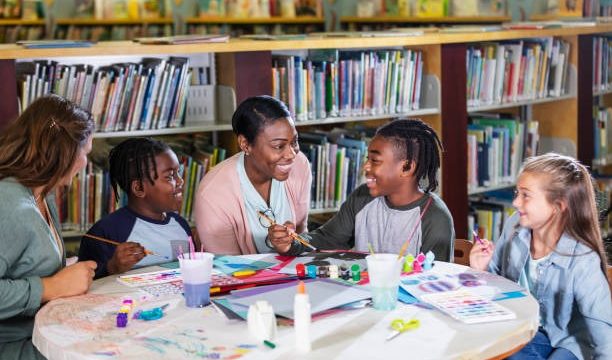
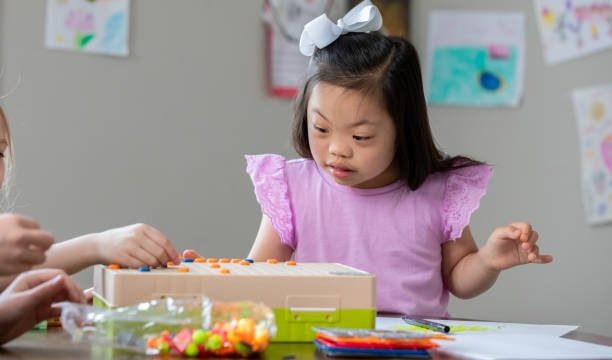
Creating an inclusive classroom is also essential. Every student brings unique experiences and perspectives, and recognizing these differences enriches the learning environment. Educators should strive to incorporate diverse materials and viewpoints into their lessons, ensuring that all students see themselves reflected in the curriculum. This approach not only enhances engagement but also cultivates empathy and understanding among classmates, preparing them for a diverse world beyond the classroom.
Flexibility is a skill that serves educators well in the ever-evolving landscape of education. Lessons may not always go as planned, and being able to adapt to the needs of the moment is invaluable. This could mean shifting a lesson to accommodate a student’s learning style or adjusting the pace to ensure everyone is on board. Embracing change and being open to new ideas can lead to unexpected discoveries and deeper learning experiences.
In addition to flexibility, time management is crucial for maintaining a balanced teaching practice. Juggling lesson planning, grading, and personal responsibilities can be overwhelming. Educators who prioritize their time effectively can create a more structured and less stressful environment for themselves and their students. Simple strategies, such as setting aside specific times for grading or planning, can lead to more focused and productive days.
Encouraging critical thinking is a transformative skill for educators to develop. Rather than simply delivering information, teachers can inspire students to question, analyze, and reflect on what they learn. This can be achieved through thought-provoking discussions, project-based learning, and encouraging students to draw connections between different subjects. When students learn to think critically, they become active participants in their education, equipped with skills that will serve them throughout their lives.
Another essential aspect of teaching is fostering a growth mindset, both in oneself and in students. Emphasizing that mistakes are opportunities for learning can help cultivate resilience and perseverance. Educators who model this mindset encourage their students to embrace challenges and view setbacks as part of the learning journey. This shift in perspective can lead to a more motivated and engaged classroom, where students feel empowered to take risks in their learning.
As educators, self-care is often an overlooked but vital skill. Teaching can be demanding, and it’s easy to become consumed by the responsibilities of the job. However, prioritizing personal well-being not only benefits the educator but also sets a positive example for students. Practicing mindfulness, seeking support from colleagues, and establishing boundaries between work and personal life can help maintain a healthy balance. When educators take care of themselves, they are better equipped to support their students.
Embracing technology is another important skill in today’s educational landscape. Technology can enhance learning experiences, making them more interactive and engaging. Familiarizing oneself with various educational tools and platforms can open up new avenues for teaching and learning. However, it’s essential to approach technology with intention, ensuring that it serves to enhance, rather than detract from, the educational experience.
Finally, lifelong learning is a key skill that educators should embody. The world is constantly evolving, and staying informed about new teaching strategies, educational research, and developments in various subjects can keep educators energized and effective. Participating in professional development opportunities, collaborating with peers, and seeking out new resources can invigorate one’s teaching practice and inspire students.
In conclusion, the journey of teaching is enriched by a blend of skills that extend beyond traditional pedagogical knowledge. Communication, relationship-building, inclusivity, flexibility, time management, critical thinking, fostering a growth mindset, self-care, embracing technology, and committing to lifelong learning are all integral to creating an engaging and supportive educational environment. As educators cultivate these skills, they not only enhance their own teaching but also nurture a generation of curious, compassionate, and capable learners. Every small step taken in the pursuit of these skills can lead to significant growth, both for educators and their students, making the classroom a truly transformative space.