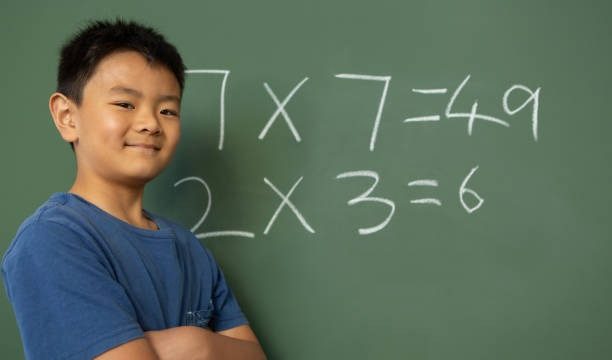
Math is often seen as a daunting subject, something that brings to mind complex equations and anxiety-inducing tests.
However, it can be a source of joy, creativity, and connection, especially when approached through fun challenges.
Math challenges can engage minds of all ages, making the subject accessible and enjoyable. Whether you’re a parent seeking to instill a love for numbers in your child, a teacher looking for engaging classroom activities, or an adult wishing to keep your mind sharp, there’s something in the world of math challenges for everyone.
Finding joy in numbers
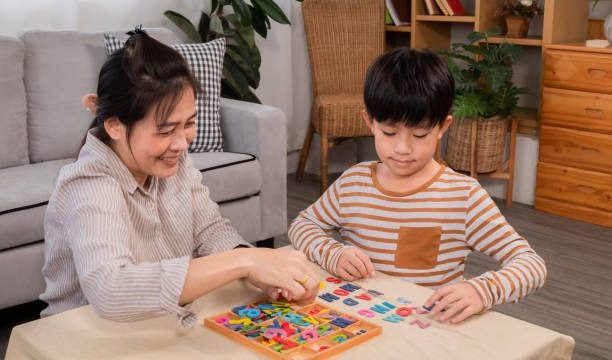
One of the most beautiful aspects of math is its universal language. It transcends age and background, making it a wonderful medium for bonding with others. Engaging in math challenges can create opportunities for shared experiences and laughter. Picture a family gathering where everyone is trying to solve a riddle or a classroom buzzing with excitement as students tackle a problem together. These moments foster not only a sense of accomplishment but also connection, showing that math is more than just numbers on a page; it’s an avenue for creativity and collaboration.
A gentle nudge toward creativity
When we think of math, we often focus on calculations and formulas. However, math is also about patterns, shapes, and puzzles. Consider introducing challenges that incorporate visual elements, like geometric shapes or patterns. For instance, asking participants to create a design using specific geometric shapes can turn a simple math exercise into an artistic endeavor. This approach invites creativity into the mix, allowing participants to explore math from a different angle. It’s a reminder that math isn’t just about right or wrong answers; it’s also about the process of discovery.
Bringing math to life
One of the most engaging ways to challenge yourself or others is to incorporate real-world scenarios. Everyday situations can provide a rich context for math challenges. For example, cooking can be a wonderful opportunity to explore measurements and ratios. Asking someone to adjust a recipe to serve more guests can spark a fun conversation about fractions and proportions. Similarly, budgeting for a family outing can introduce concepts of addition, subtraction, and multiplication in a practical, relatable way. These challenges not only enhance understanding but also demonstrate the relevance of math in daily life.
Embracing playful competition
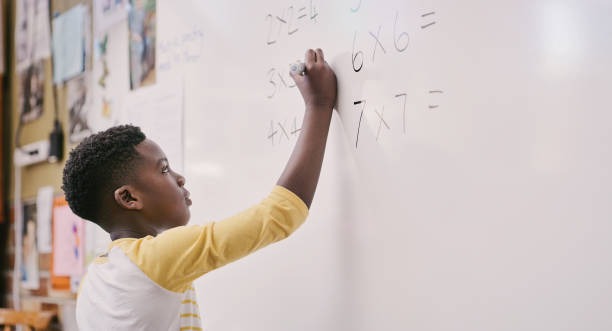
Nothing stirs excitement quite like a little friendly competition. Math challenges can be turned into games that encourage participants to think on their feet while having fun. Consider hosting a math trivia night where participants answer questions ranging from basic arithmetic to more advanced concepts. This format can be adapted for various age groups, ensuring everyone has a chance to shine. Alternatively, you might try a scavenger hunt that requires solving math problems to find the next clue. Incorporating elements of competition can ignite enthusiasm and motivation, making math feel less like a chore and more like an adventure.
A small shift toward balance
In our fast-paced world, it’s easy to overlook the importance of balance in our pursuits. While math challenges can be stimulating, it’s essential to remember that the goal is to foster enjoyment and curiosity rather than pressure. Creating a relaxed atmosphere where mistakes are seen as learning opportunities can help participants feel more comfortable and open. Celebrating small victories, whether it’s solving a tricky problem or simply participating, can encourage a positive mindset. This approach cultivates resilience and a healthy attitude toward challenges, not just in math but in various aspects of life.
Inclusivity in challenges
One of the most rewarding aspects of math challenges is their potential for inclusivity. Math can be enjoyed by everyone, regardless of their prior experience or skill level. Tailoring challenges to suit different abilities ensures that everyone can participate and feel valued. For instance, you might create tiered challenges that allow participants to choose the level of difficulty they’re comfortable with. This inclusive approach not only empowers individuals but also fosters a sense of community, as participants can support each other in their learning journeys.
Creating a math-friendly environment
To fully embrace the joy of math challenges, consider creating a space that invites exploration and creativity. This could be a cozy reading nook at home filled with math-related books and puzzles or a classroom adorned with visual aids and engaging materials. Surrounding yourself with resources that inspire curiosity can transform the way you or your students perceive math. Incorporating tools like manipulatives, interactive games, or even apps that promote math skills can add depth to your challenges, making them more engaging and dynamic.
The beauty of lifelong learning
As we delve into math challenges, it’s crucial to remember that learning is a lifelong journey. Embracing math challenges at any age fosters a mindset of growth and curiosity. Whether it’s an adult tackling a problem they never understood in school or a child discovering the joy of solving puzzles, each experience contributes to a broader understanding of the world. Encouraging this journey in ourselves and others can lead to greater confidence, creativity, and connection.
In conclusion, math challenges offer a delightful way to engage with numbers, promote creativity, and foster connections across generations. By embracing the playful side of math, we can transform it from a source of anxiety into a realm of joy and exploration. Whether through real-life applications, friendly competitions, or inclusive challenges, math can become a shared experience that enriches our lives and strengthens our bonds with one another. So, gather your family, friends, or students, and dive into the wonderful world of math challenges. You might just find that laughter and learning go hand in hand.