In our fast-paced world, the importance of social skills can sometimes feel overshadowed by the demands of daily life.
Yet, connecting with others and developing these skills is essential for personal growth and well-being.
One of the most effective and enjoyable ways to enhance our social skills is through group activities. Whether it’s a casual game night, a community service project, or a book club, engaging with others can create a nurturing environment for social development.
Finding joy in connection
At the heart of social skills lies the ability to communicate effectively and empathize with others. Group activities provide a unique opportunity to practice these skills in a relaxed setting. When we engage in shared experiences, we naturally open up lines of communication. The laughter and camaraderie that often accompany these gatherings can help break down barriers, making it easier to express ourselves and connect with others on a deeper level.
Consider a simple game night with friends or family. As players strategize, joke, and sometimes even bicker over the game rules, they’re not just having fun; they’re honing their ability to listen, negotiate, and resolve conflicts. These interactions teach us to read social cues and respond appropriately, skills that are invaluable in both personal and professional settings.
The beauty of diversity
One of the remarkable aspects of group activities is the diversity of perspectives they offer. When individuals from different backgrounds come together, they bring a wealth of experiences and viewpoints. This diversity can challenge our thinking and encourage us to step outside our comfort zones. Engaging with others who think differently can lead to richer conversations and a broader understanding of the world.
For instance, participating in a community project can expose us to people from various walks of life. As we collaborate towards a common goal, we learn to appreciate different viewpoints and cultural backgrounds. This not only enriches our social skills but also fosters a sense of empathy and compassion, qualities that are essential for meaningful relationships.
Building trust and teamwork
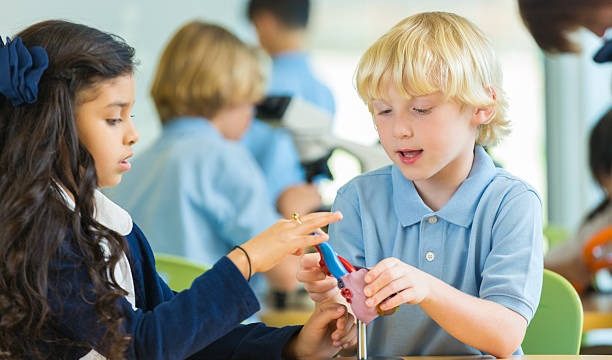
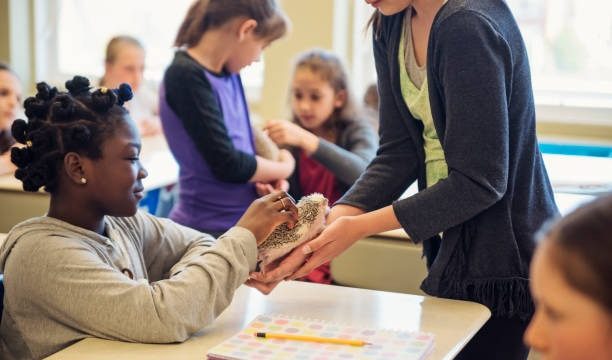
Group activities often hinge on collaboration and teamwork. Whether it’s in sports, art classes, or volunteer work, the ability to work together towards a shared objective is fundamental. Trust is a cornerstone of effective teamwork, and participating in group activities helps us develop this essential trait.
As we learn to rely on others and allow them to rely on us, we strengthen our interpersonal connections. Simple interactions, like encouraging a teammate or offering assistance to someone struggling, can build trust and create a supportive atmosphere. Over time, these experiences contribute to our overall social confidence, enabling us to form deeper connections with others.
Navigating challenges together
Every group activity comes with its own set of challenges. Whether it’s a heated debate during a discussion or a competitive game, these moments provide valuable lessons in conflict resolution. Learning to navigate disagreements in a constructive manner is a critical social skill.
When we face challenges together, we learn to communicate our feelings and listen to others, fostering a sense of understanding and cooperation. This process not only helps us resolve conflicts but also teaches us the importance of compromise and patience—qualities that are vital in any relationship.
Creating lasting memories
Group activities are often filled with moments that become cherished memories. Sharing experiences, whether joyful or challenging, strengthens bonds and creates a sense of belonging. When we laugh together, support each other, and celebrate achievements, we weave a tapestry of shared moments that enrich our lives.
These memories serve as a foundation for deeper relationships. The more time we spend with others in meaningful activities, the more likely we are to develop lasting connections. Over time, these relationships can provide a support system that enhances our social skills even further.
A small shift toward balance
In a world that often prioritizes individual achievement, group activities remind us of the importance of community. By participating in these shared experiences, we can shift our focus from competition to collaboration. This shift can be refreshing, allowing us to appreciate the value of working together and the strength that comes from unity.
Finding balance in our social lives is essential. Group activities can help us foster connections while also providing a break from the pressures of everyday life. They offer a space for relaxation and enjoyment, where we can recharge our emotional batteries and connect with others in a meaningful way.
Encouraging lifelong friendships
As we engage in group activities, we often find ourselves forming friendships that can last a lifetime. These connections, built on shared experiences and mutual support, enrich our lives in countless ways. The support of friends can provide encouragement during challenging times and enhance our overall sense of well-being.
Moreover, friendships formed through group activities often lead to new opportunities for growth. They can introduce us to new interests, hobbies, and perspectives that we may not have encountered otherwise. This continuous cycle of connection and growth is what makes social skills so vital in our journey through life.
In conclusion, group activities play a significant role in strengthening our social skills. Through shared experiences, we learn to communicate, collaborate, and navigate challenges together. These interactions foster a sense of community and belonging, enriching our lives in ways that go beyond simple enjoyment. As we engage with others, we not only enhance our social skills but also create lasting bonds that can support us throughout our lives. Embracing these opportunities can lead us to a more connected, fulfilling existence.