In today’s interconnected world, the concept of education has expanded far beyond the walls of traditional classrooms.
Global education networks are emerging as vibrant platforms that not only share knowledge but also foster understanding and collaboration among diverse cultures.
This shift towards a more interconnected learning experience is reshaping how we perceive education and its role in our lives.
As we navigate through these networks, we find ourselves at the intersection of knowledge and culture, where learning becomes a shared journey. These networks bring together educators, students, and institutions from across the globe, creating a rich tapestry of ideas and experiences. The beauty of this model is that it allows us to learn not just from textbooks, but from the lived experiences of individuals who bring their unique perspectives to the table.
A gentle invitation to connect
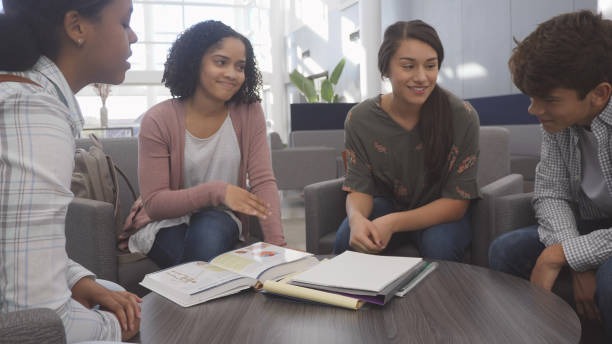
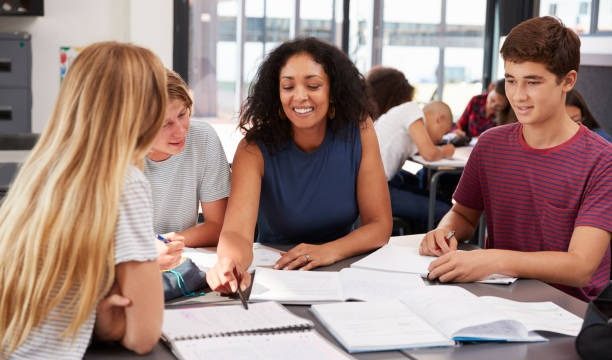
Imagine a classroom where students from different continents exchange ideas, debate concepts, and collaborate on projects. This is not just a dream; it’s happening right now in global education networks. These platforms encourage a sense of community that transcends geographical boundaries. When students engage with peers from different backgrounds, they are not only learning academic content but are also developing critical thinking skills and cultural awareness.
This kind of engagement is particularly vital in today’s world, where challenges such as climate change, social justice, and global health require collaborative solutions. By participating in global education networks, students learn how to work together, appreciate diverse perspectives, and contribute to meaningful discussions. It’s a beautiful reminder that education is not just about individual achievement, but about collective growth and understanding.
A small shift toward balance
In our quest for knowledge, it’s easy to become overwhelmed by the sheer volume of information available. Global education networks provide a refreshing approach by curating resources that are both relevant and accessible. By focusing on collaboration rather than competition, these networks encourage learners to support one another, creating an atmosphere of mutual respect and encouragement.
Moreover, the flexibility offered by online platforms allows learners to engage at their own pace. This adaptability is especially beneficial for those who may have other commitments or who simply prefer a more self-directed learning style. By fostering an environment where learners can explore topics that resonate with them personally, global education networks promote a more holistic approach to education.
The power of shared experiences
One of the most enriching aspects of global education networks is the opportunity to share experiences. Whether through virtual exchange programs, collaborative projects, or online forums, learners can connect in meaningful ways. These interactions often lead to friendships that span continents, allowing participants to gain insights into different cultures and lifestyles.
Consider the impact of a student in a small town in the United States collaborating with a peer in a bustling city in India. They might work together on a project about renewable energy solutions, sharing their local challenges and successes. Through this collaboration, they not only gain knowledge about the subject matter but also develop a deeper appreciation for each other’s realities. Such experiences are invaluable, as they build empathy and understanding—qualities that are essential in our increasingly globalized society.
Nurturing curiosity and creativity
Global education networks also cultivate curiosity and creativity, which are crucial components of lifelong learning. When students are exposed to diverse perspectives, they are inspired to think outside the box and explore new ideas. This is particularly important in an age where innovation drives progress in nearly every field.
By participating in discussions and projects that span various disciplines and cultures, learners are encouraged to ask questions, challenge assumptions, and seek creative solutions. This kind of environment nurtures not only academic growth but also personal development. Students learn to embrace uncertainty and view challenges as opportunities for growth, which is a vital skill in today’s fast-paced world.
A pathway to global citizenship
Engaging with global education networks is also a powerful step toward becoming a responsible global citizen. As learners connect with others from different backgrounds, they begin to understand the complexities of global issues. This awareness fosters a sense of responsibility and encourages individuals to take action in their communities.
Through collaborative projects that address real-world challenges, students can see the impact of their contributions. Whether it’s working on a local initiative to reduce waste or participating in a global campaign for human rights, these experiences empower learners to make a difference. They realize that their voices matter and that they can play a role in shaping a better world.
The journey continues
As we embrace the opportunities presented by global education networks, it’s important to remember that this is just the beginning of a lifelong journey of learning. The connections we make and the knowledge we gain can have a lasting impact on our lives and the lives of others. By remaining open to new experiences and perspectives, we enrich not only our own understanding but also that of those around us.
In a world that often feels divided, global education networks remind us of our shared humanity. They offer a space where learning becomes a collaborative adventure, where curiosity leads to discovery, and where every interaction has the potential to inspire change. As we continue to explore these networks, let us embrace the beauty of learning together, fostering connections that transcend borders and build a brighter future for all.
In the end, it’s not just about gaining knowledge; it’s about nurturing the relationships and understanding that will guide us on our paths. Through global education networks, we can learn more than we ever imagined, not just about the world, but about ourselves and our place within it.