In today’s fast-paced world, students often find themselves overwhelmed by the traditional methods of learning that can feel distant from their everyday experiences.
Engaging students through practical lessons can create a more meaningful and enjoyable educational journey.
By incorporating real-life applications into the curriculum, educators can nurture a deeper understanding of the subject matter, fostering a genuine love for learning.
A small shift toward balance can make a significant difference in how students perceive their education. Instead of merely memorizing facts and figures, practical lessons encourage them to apply their knowledge in ways that resonate with their lives. This approach not only enhances retention but also cultivates critical thinking and problem-solving skills.
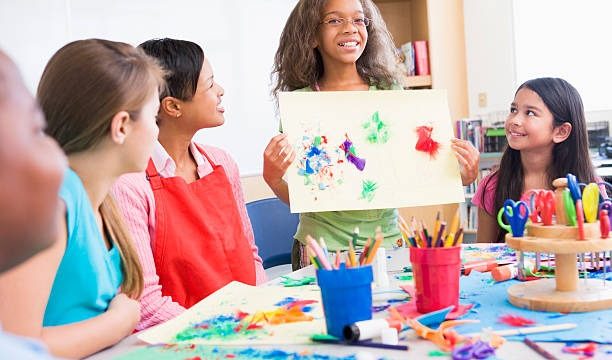
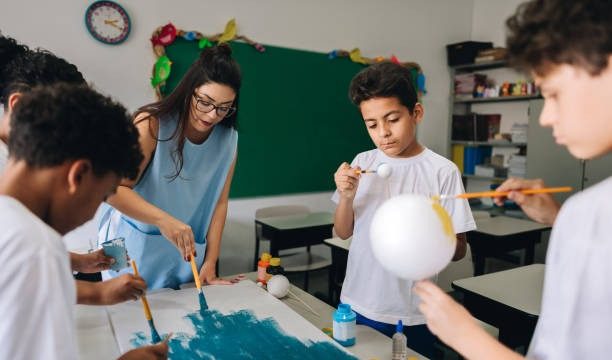
One effective strategy is to integrate hands-on activities that reflect real-world scenarios. For instance, in a science class, rather than just discussing the principles of physics, students could engage in building simple machines or conducting experiments that demonstrate these concepts in action. This tactile experience allows them to see the relevance of their studies, making the lessons more relatable and impactful.
Creating connections between the curriculum and students’ interests can also foster engagement. When lessons are tailored to incorporate elements that resonate with their hobbies or passions, students are more likely to invest themselves in the learning process. For example, a literature class could explore themes from popular movies or music, helping students draw parallels between the material and their own lives. This not only makes the content more accessible but also encourages rich discussions and critical analysis.
Another gentle yet effective approach involves collaboration and peer learning. When students work together on projects, they engage in discussions that can lead to deeper insights. Group activities can cultivate a sense of community within the classroom, allowing students to learn from one another’s perspectives. Encouraging them to share their unique viewpoints not only enriches the learning experience but also fosters essential social skills that they will carry with them beyond the classroom.
Embracing technology can also enhance practical lessons in today’s digital age. Online simulations, interactive apps, and educational games can provide students with opportunities to explore concepts in a dynamic way. For instance, in a mathematics class, students could use software to visualize complex equations, transforming abstract ideas into tangible representations. Technology can bridge the gap between theory and practice, making learning both fun and relevant.
To further deepen engagement, incorporating community-based projects can be incredibly rewarding. Service learning, where students participate in community service while applying academic skills, creates a sense of purpose and connection to the world around them. Whether it’s organizing a local clean-up or collaborating with local businesses, these experiences allow students to see the impact of their work and understand the importance of civic responsibility.
A focus on personal reflection can also enhance practical lessons. Encouraging students to journal about their learning experiences can help them process information on a deeper level. Reflective writing allows them to articulate their thoughts, feelings, and newfound understanding, reinforcing their learning journey. When students take time to reflect, they develop a habit of self-assessment that will benefit them throughout their lives.
Incorporating guest speakers and field trips into the curriculum can provide students with unique insights and experiences. Hearing from professionals in various fields can spark curiosity and inspire students to envision their future paths. Field trips, whether to a local museum, a science center, or even a nearby business, can bring lessons to life in a way that textbooks cannot. These excursions create memorable experiences that students are likely to remember long after the lesson is over.
A gentle reminder of the importance of flexibility in teaching methods is essential. Every student learns differently, and what engages one may not resonate with another. By remaining responsive to the needs and interests of students, educators can create an inclusive environment where everyone feels valued. Offering choices in assignments or projects allows students to pursue topics that intrigue them, fostering a sense of ownership over their learning.
Maintaining a positive classroom environment is crucial for engagement. When students feel safe and supported, they are more likely to participate actively in their education. Establishing clear expectations and encouraging open communication can help create a space where students feel comfortable expressing their thoughts and ideas. A supportive atmosphere nurtures curiosity and exploration, making the learning experience more enjoyable.
As we navigate the ever-evolving landscape of education, it’s important to remember that practical lessons can transform the way students engage with their studies. By incorporating hands-on activities, connecting lessons to students’ interests, and fostering collaboration, educators can create a dynamic learning environment that resonates with students.
In a world that often prioritizes standardized testing and rigid curricula, the shift toward engaging students through practical lessons represents a refreshing approach to education. By embracing these strategies, we can cultivate a generation of learners who are not only knowledgeable but also passionate about their education, ready to take on the challenges of the world with confidence and enthusiasm.
Ultimately, it’s about creating a learning experience that feels relevant and meaningful, allowing students to thrive both academically and personally. As we continue to explore new ways to engage students, let us remember that the heart of education lies in inspiring curiosity and fostering a lifelong love of learning.