Education is often viewed through the lens of grades and tests, but its true essence lies in the personal growth that accompanies the learning journey.
For many students, the classroom becomes a safe haven where they can explore ideas, confront challenges, and discover their own potential.
Among the myriad benefits of education, one of the most profound is the boost in self-confidence that students experience. As they navigate through various subjects and social interactions, they not only acquire knowledge but also cultivate a sense of self-worth that can last a lifetime.
The journey of education begins with curiosity. From a young age, children are naturally inquisitive, eager to ask questions and explore the world around them. When education nurtures this curiosity, it lays the groundwork for self-confidence. Teachers who encourage exploration and validate students’ thoughts help them feel valued and understood. This validation is crucial; when students see that their ideas matter, they begin to trust their instincts and develop a belief in their abilities.
As students progress in their education, they face new challenges that require problem-solving and critical thinking. Each time a student tackles a difficult math problem or engages in a lively debate, they are honing their skills and learning to overcome obstacles. This process of facing challenges head-on fosters resilience. When students succeed, whether in small or significant ways, they gain a sense of accomplishment that reinforces their self-belief. Even setbacks can be valuable lessons, as they teach students that failure is not the end, but rather a stepping stone toward growth.
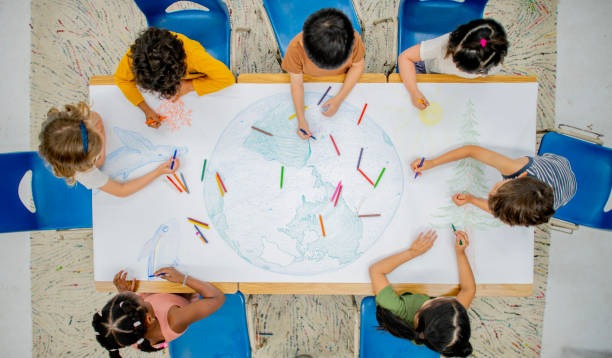
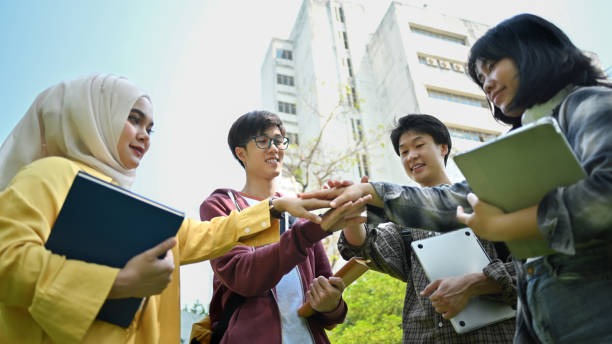
Collaboration also plays a crucial role in building self-confidence. Group projects, discussions, and team activities encourage students to communicate and work together. These interactions help them develop social skills and learn to express their thoughts in a supportive environment. As they share ideas and receive feedback from peers, they begin to see themselves as integral members of a community. This sense of belonging can significantly enhance their self-esteem, as they realize that their contributions are appreciated and valued.
A small shift toward balance occurs when students engage in extracurricular activities. Whether it’s joining a sports team, participating in a school play, or volunteering for a club, these experiences provide opportunities for personal growth outside of the traditional classroom setting. They allow students to explore their passions and interests, further reinforcing their identity and self-worth. Success in these activities can translate into greater confidence, as students discover new talents and develop a sense of pride in their achievements.
The role of educators cannot be understated in this journey toward self-confidence. A supportive teacher who recognizes and nurtures a student’s strengths can have a lasting impact on their self-perception. When teachers take the time to celebrate individual achievements, offer constructive feedback, and create a positive learning environment, students are more likely to feel empowered. This empowerment encourages them to take risks in their learning, knowing that they have a safety net of support.
Moreover, the importance of a growth mindset cannot be overlooked. Encouraging students to embrace challenges and view effort as a path to mastery can significantly influence their self-confidence. When they understand that intelligence and talent are not fixed traits but can be developed through dedication and hard work, they are more likely to take on challenges with enthusiasm. This shift in perspective fosters a sense of agency, allowing students to feel in control of their learning journey and, consequently, their self-worth.
In addition to academic and social elements, education also promotes emotional intelligence, which is vital for self-confidence. Students learn to recognize and manage their emotions, understand the feelings of others, and develop empathy. This emotional growth enables them to navigate relationships more effectively and fosters a sense of self-acceptance. As students become more aware of their emotions and learn to articulate them, they build a stronger relationship with themselves, which is fundamental to feeling confident in their abilities and decisions.
Creating a culture of encouragement is essential in educational settings. When students are surrounded by positivity, they are more likely to take risks and step outside their comfort zones. Celebrating diversity and fostering inclusivity can also enhance self-confidence among students. When every student feels represented and valued, it cultivates an environment where everyone can thrive. This inclusivity not only boosts individual confidence but also strengthens the community as a whole, creating a supportive network that uplifts all its members.
As students transition from the structured environment of school to the broader world, the self-confidence they have developed can serve as a guiding light. They carry with them the lessons learned, the friendships forged, and the challenges overcome, all of which contribute to a strong sense of self. This newfound confidence empowers them to pursue further education, career opportunities, and personal goals with a belief in their capabilities.
In conclusion, education is a powerful catalyst for building self-confidence in students. Through exploration, collaboration, support from educators, and the cultivation of a growth mindset, students learn to trust themselves and their abilities. The journey of education is not merely about acquiring knowledge; it’s about discovering who they are and what they can achieve. As they navigate the complexities of learning, they emerge not only as knowledgeable individuals but as confident, resilient, and capable members of society. This transformation, rooted in the experiences of education, is a gift that will serve them well throughout their lives.