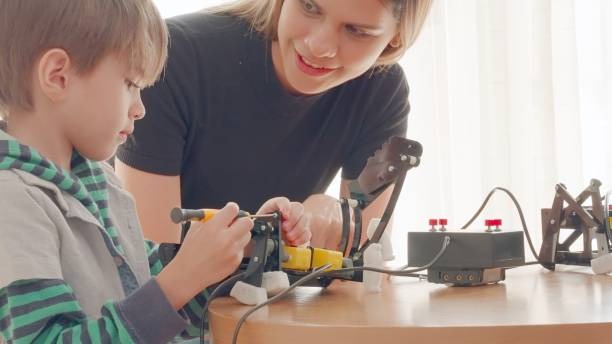
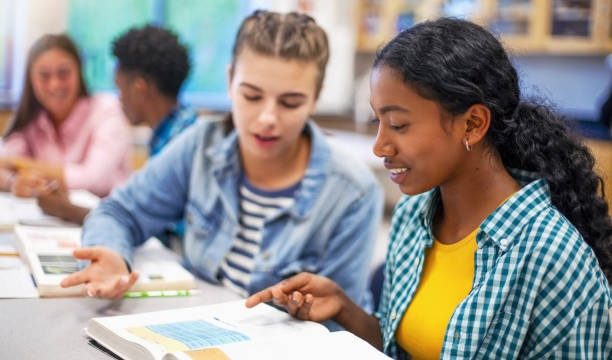
Learning is an intricate dance between our minds and the world around us.
It’s a process that shapes who we are, influences our choices, and enriches our lives in countless ways.
Understanding the science behind how we learn can not only deepen our appreciation for this beautiful journey but also offer insights into enhancing our learning experiences.
At its core, learning is about change. It’s the way our brains adapt and evolve in response to new information, experiences, and challenges. This adaptability is often referred to as neuroplasticity, the brain’s remarkable ability to reorganize itself by forming new neural connections throughout life. This means that every time we learn something new, our brain is literally changing, creating pathways that can strengthen with practice and experience.
The process of learning begins with attention. When we focus our attention on a particular stimulus, whether it’s a lecture, a book, or a conversation, our brain engages in a complex series of activities that help us encode that information. This initial stage is crucial because if we don’t pay attention, the information may never make it into our long-term memory. This is why creating a conducive learning environment—free from distractions and rich in engagement—is so important.
Once our brain has captured the information, it moves into the encoding phase. Here, the brain transforms the information into a format that can be stored. This is where the magic of connections happens. Our brains link new information to existing knowledge, creating a web of understanding that makes recall easier. This is why learning in context—relating new concepts to what we already know—can be particularly effective. It’s like building a bridge between the familiar and the unfamiliar, allowing us to traverse the landscape of knowledge more easily.
As we continue to engage with the material, we move into the storage phase. This is where repetition plays a key role. The more we revisit information, the stronger those neural pathways become. This is often why we find ourselves needing to review notes or practice skills multiple times before they become second nature. It’s a gentle reminder that learning is not just about the initial encounter but about nurturing and reinforcing those connections over time.
The final stage of the learning process is retrieval. This is when we access what we’ve learned and bring it into our conscious awareness. Retrieval can sometimes feel like a dance of its own; the more we practice bringing information to mind, the easier it becomes. This is where techniques such as spaced repetition and active recall can be incredibly beneficial. By spacing out our review sessions and testing ourselves on the material, we can enhance our ability to retrieve information when we need it most.
But learning is not just a mechanical process; it’s also deeply emotional. Our feelings and motivations significantly influence how we learn. When we are curious, engaged, or passionate about a topic, our brain releases dopamine, a neurotransmitter associated with pleasure and reward. This not only boosts our mood but also enhances our ability to learn. Therefore, finding ways to connect emotionally with the material can create a more enriching learning experience.
Creating a positive learning environment is essential. This can involve surrounding ourselves with supportive individuals, engaging in discussions that spark our interest, or even taking breaks to recharge our minds. Stress and anxiety can hinder our ability to learn, as they create barriers that make it difficult for our brains to function optimally. Finding balance through mindfulness practices, regular exercise, and healthy sleep patterns can significantly enhance our learning capabilities.
A small shift toward balance can also involve embracing different learning styles. Some people may find they learn best through visual aids, while others may prefer auditory methods or hands-on experiences. Understanding our unique learning preferences can help us tailor our approaches and create a more effective learning journey. For instance, if you find that you retain information better through visuals, incorporating diagrams, charts, or videos into your study routine can be incredibly beneficial.
Moreover, the role of social interaction in learning should not be underestimated. Collaborative learning, whether through group projects, study sessions, or casual discussions, can create a rich tapestry of shared knowledge. When we engage with others, we are not just absorbing information; we are also teaching, questioning, and refining our understanding. This interaction can stimulate critical thinking and inspire new perspectives.
As we explore the science of learning, it’s also important to acknowledge the power of reflection. Taking time to think about what we’ve learned, how we’ve learned it, and how we can apply it in our lives can deepen our understanding. Journaling, for instance, can be a wonderful way to process our thoughts and solidify our learning experiences. It allows us to articulate our insights, questions, and even our challenges, providing a clearer path for future growth.
Ultimately, learning is a lifelong journey, one that is ever-evolving and deeply personal. By understanding the science behind how we learn, we can cultivate a more mindful approach to our education, embracing both the challenges and the joys that come with acquiring new knowledge.
In a world that is constantly changing, our ability to learn and adapt is one of the most valuable skills we can develop. Whether we are pursuing a new hobby, advancing our careers, or simply seeking to understand the world around us, the journey of learning enriches our lives in profound ways. So, let us continue to explore, engage, and enjoy the beautiful process of learning, celebrating each small victory along the way.