In recent years, the conversation surrounding renewable energy has become more prominent than ever.
As we face the challenges of climate change and dwindling natural resources, the need for sustainable energy solutions is at the forefront of our collective consciousness.
But how exactly does science contribute to the development of renewable energy? This exploration unveils the fascinating interplay between scientific innovation and our quest for cleaner, more sustainable energy sources.
A gentle embrace of nature’s gifts
At the heart of renewable energy lies a deep appreciation for the natural world. Solar, wind, hydroelectric, and geothermal energy are all derived from resources that are abundant and often free. Scientists and researchers have dedicated countless hours to understanding how these natural phenomena can be harnessed efficiently and effectively. For instance, the study of solar energy has evolved significantly thanks to advancements in materials science. New solar panel technologies, such as perovskite solar cells, promise higher efficiency at a lower cost, making solar energy an increasingly viable option for everyday use.
Wind energy also reflects this harmonious relationship with nature. Wind turbines have become a common sight on the landscape, but the journey to their current design has been a fascinating one. Engineers and scientists have worked collaboratively to optimize turbine blade shapes and materials, maximizing energy capture while minimizing noise and environmental impact. This synergy of science and design not only enhances the effectiveness of wind farms but also allows them to blend more seamlessly into the environment.
Cultivating innovation through research
Research and development play a crucial role in the evolution of renewable energy technologies. Universities, government agencies, and private companies are tirelessly investigating new methods to improve energy efficiency and storage. One exciting area of research lies in battery technology. As we move toward a future where electric vehicles and renewable energy sources like solar and wind become more prevalent, the need for effective energy storage solutions grows. Scientists are exploring innovative materials and chemical processes to create batteries that are not only more efficient but also longer-lasting and less harmful to the environment.
Moreover, interdisciplinary collaboration is becoming increasingly important. The integration of biology, chemistry, and engineering has led to groundbreaking discoveries in bioenergy, which involves the use of organic materials to generate energy. For example, researchers are investigating how certain types of algae can be cultivated to produce biofuels, offering a sustainable alternative to fossil fuels. This kind of innovation highlights the beauty of diverse scientific fields coming together to solve complex problems.
A small shift toward balance
As we delve deeper into renewable energy, it’s essential to recognize the role of policy and community engagement in fostering sustainable practices. Scientists often work alongside policymakers to develop regulations that encourage the adoption of renewable energy sources. Through data collection and analysis, researchers can provide evidence that supports the transition to cleaner energy. This collaboration ensures that decisions are informed by science, paving the way for a more sustainable future.
Community involvement also plays a vital role in the success of renewable energy initiatives. When people understand the benefits of clean energy, they are more likely to support projects that promote sustainability in their neighborhoods. Educational programs that explain the science behind renewable energy can empower individuals to make informed choices about their energy consumption. By fostering a sense of community around these initiatives, we can create a collective movement toward a greener planet.
The art of sustainability
The aesthetic of renewable energy technologies is also an area where science has made significant contributions. The design of solar panels, wind turbines, and other renewable energy installations has evolved to not only be functional but also visually appealing. This integration of art and science encourages acceptance and appreciation of renewable energy solutions. As more people see these technologies as part of the landscape rather than an eyesore, the transition to renewable energy becomes more socially acceptable and desirable.
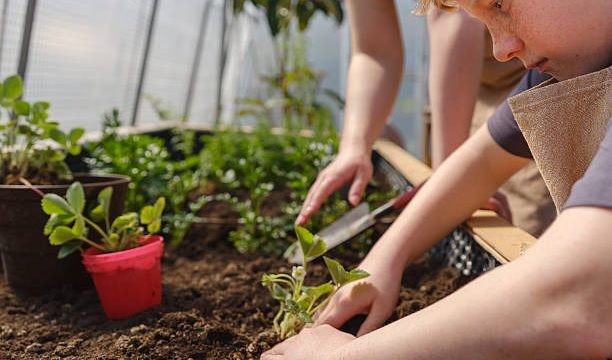
Furthermore, the concept of sustainability extends beyond energy generation. Scientists are increasingly focused on creating systems that are not only efficient but also regenerative. This means designing energy solutions that contribute positively to the environment. For instance, in agriculture, scientists are exploring how renewable energy can be integrated into farming practices, promoting not just energy efficiency but also soil health and biodiversity.
Looking ahead with hope
The future of renewable energy is bright, thanks to the ongoing contributions of science and innovation. As researchers continue to explore new technologies and methods, we can expect to see even more efficient and sustainable solutions emerge. The journey toward a sustainable future is a collective effort, one that requires the input and collaboration of scientists, policymakers, communities, and individuals.
With every small step toward renewable energy adoption, we are not only addressing the challenges of climate change but also creating a healthier planet for future generations. It is a journey that calls for patience, persistence, and a deep respect for the natural world. As we continue to harness the power of science to develop renewable energy, we can look forward to a future that harmonizes our needs with the health of our planet.
In this ever-evolving landscape, let us remain curious and open to the possibilities that science offers. Together, we can cultivate a world where energy is abundant, clean, and sustainable—one that honors the delicate balance of nature and fosters a thriving, healthy environment for all.