Life has a way of throwing unexpected challenges our way.
Whether it’s a setback at work, a personal struggle, or a sudden change in circumstances, these moments can feel overwhelming.
However, within each challenge lies the potential for growth and learning. By shifting our perspective, we can transform these obstacles into opportunities that enrich our lives and deepen our understanding of ourselves and the world around us.
Finding perspective in adversity is a gentle art. It begins with recognizing that challenges are a natural part of the human experience. Instead of viewing them as roadblocks, we can see them as stepping stones on our journey. When we face difficulties, our instinct might be to resist or avoid them. Yet, embracing the situation allows us to explore new avenues of thought and action. This mindset shift can pave the way for personal growth and resilience.
A small shift toward balance can be achieved by practicing mindfulness. When we take a moment to breathe and ground ourselves, we create space for clarity. This practice encourages us to observe our thoughts and feelings without judgment, allowing us to process our experiences. Mindfulness helps us step back from the immediate emotional reactions that challenges can provoke. As we cultivate this awareness, we may discover insights that guide us toward constructive responses.
In the midst of challenges, it’s essential to cultivate self-compassion. Often, we can be our harshest critics, especially when things don’t go as planned. Treating ourselves with kindness during tough times is crucial. Acknowledging our feelings, whether they be frustration, sadness, or confusion, allows us to honor our emotions rather than suppress them. This self-acceptance creates a fertile ground for learning. When we are gentle with ourselves, we become more open to exploring the lessons that challenges may offer.
Another key element in turning challenges into opportunities is reframing our narrative. The stories we tell ourselves about our experiences shape our perceptions and responses. Instead of framing a setback as a failure, we can view it as a chance to learn something new. This shift in language can significantly alter our emotional landscape. For instance, rather than saying, “I failed at this,” we might rephrase it to, “I learned what doesn’t work for me.” This small change can empower us to approach future challenges with a more optimistic and curious mindset.
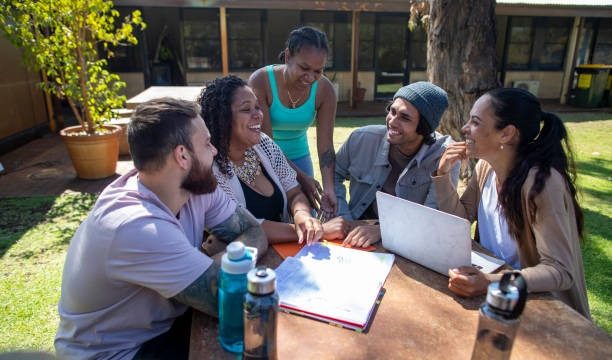
Engaging with our support systems can also enhance our ability to learn from difficulties. Sharing our experiences with friends, family, or even mentors provides us with different perspectives. Others may have faced similar challenges and can offer insights that we might not have considered. This exchange fosters a sense of community and reminds us that we are not alone in our struggles. Listening to others’ stories can inspire us and give us the courage to face our own challenges head-on.
As we navigate through obstacles, the importance of setting small, achievable goals cannot be overstated. When confronted with a significant challenge, it can be easy to feel daunted. Breaking down the situation into manageable steps allows us to create a clear path forward. Each small success builds our confidence and reinforces our capacity to overcome difficulties. Celebrating these incremental victories, no matter how minor they may seem, can provide a tremendous boost to our motivation and resilience.
Exploring new skills or hobbies can also be a wonderful way to turn challenges into learning opportunities. Often, when faced with difficulties, we may find ourselves with extra time or a desire to channel our energy elsewhere. This can be the perfect moment to pursue a passion or develop a new skill. Whether it’s painting, writing, or even learning to cook, engaging in creative activities can serve as a powerful outlet for our emotions. These pursuits not only provide distraction but also enrich our lives and expand our horizons.
Reflection plays a vital role in this transformative process. Taking the time to reflect on our experiences allows us to glean valuable lessons. Journaling can be a helpful tool in this regard. By writing down our thoughts and feelings, we create a record of our journey. This practice not only clarifies our emotions but also highlights patterns in our responses to challenges. Over time, we can look back and see how we’ve grown, what we’ve learned, and how we can apply these insights to future situations.
Embracing a growth mindset is another essential aspect of this journey. When we adopt the belief that our abilities and intelligence can be developed through dedication and hard work, we open ourselves up to new possibilities. This perspective encourages us to view challenges as opportunities for improvement rather than insurmountable obstacles. By fostering a growth mindset, we become more resilient, adaptable, and better equipped to navigate life’s unpredictable twists and turns.
In the end, the journey of turning challenges into learning opportunities is deeply personal and unique to each of us. It requires patience, self-compassion, and a willingness to embrace discomfort. As we learn to navigate these moments with grace, we discover not only the lessons they hold but also the strength within ourselves. Life may not always go as planned, but by shifting our perspective, we can transform challenges into powerful catalysts for growth and understanding.
As we continue to evolve, let us remember that every challenge is an invitation to learn, adapt, and flourish. Embracing this mindset not only enhances our resilience but also enriches our lives in ways we may never have imagined. With each obstacle we face, we have the opportunity to emerge stronger, wiser, and more connected to ourselves and others.