In today’s fast-paced world, where distractions abound and attention spans wane, fostering learner engagement has become a vital focus for educators and organizations alike.
The rise of technology in education has opened new doors, but it has also brought challenges.
How can we create a learning environment that captivates and motivates learners? The answer lies in effective learning management strategies that prioritize engagement.
Engagement is more than just participation; it is about creating a connection between the learner and the material. When learners feel connected, they are more likely to absorb information, apply it, and retain it. This connection is not merely a byproduct of effective teaching; it is a fundamental aspect that can transform the learning experience.
A small shift toward balance
To enhance learner engagement, we must first understand the importance of balance in the learning environment. This balance encompasses various elements, including content delivery, interaction, and feedback. When these components work harmoniously, they create a rich tapestry of learning that resonates with individuals.
One way to achieve this balance is by integrating diverse learning modalities. People absorb information differently—some may prefer visual aids, while others thrive on auditory or kinesthetic experiences. By offering a mix of videos, discussions, hands-on activities, and reading materials, educators can cater to various preferences, making the learning experience inclusive and engaging.
Moreover, incorporating real-world applications into the curriculum can spark interest and relevance. When learners see how their studies connect to everyday life or potential career paths, they are more inclined to invest their time and energy into the material. This connection fosters a sense of purpose, which can be a powerful motivator.
Cultivating a supportive community
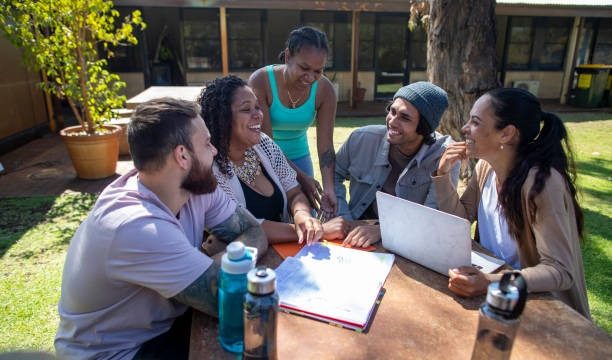
Creating an environment that encourages interaction among learners is another essential aspect of engagement. A supportive community can significantly enhance the learning experience. When individuals feel safe to express their thoughts, ask questions, and share experiences, they are more likely to engage with the content and with each other.
Facilitating group discussions, collaborative projects, and peer review sessions can help to build this sense of community. These interactions not only deepen understanding but also foster relationships that can enhance the learning journey. As learners share their perspectives, they may discover new ideas and insights, enriching their experience and broadening their horizons.
Feedback plays a crucial role in this process as well. Constructive feedback helps learners understand their strengths and areas for improvement, promoting a growth mindset. When individuals receive timely and supportive feedback, they feel valued and more connected to their learning journey. This connection can lead to increased motivation and a willingness to engage with the material.
The power of technology
Incorporating technology into learning management can also enhance engagement. Online platforms and interactive tools can create dynamic learning experiences that capture learners’ attention. For instance, gamification—using game-like elements in non-game contexts—can make learning more enjoyable and motivating. By introducing challenges, rewards, and friendly competition, educators can inspire learners to immerse themselves in the material.
Additionally, technology can facilitate personalized learning experiences. With data analytics, educators can track progress and tailor content to meet individual needs. This customization allows learners to move at their own pace and focus on areas where they may need additional support. When learners feel that the material is relevant to their unique situation, they are more likely to engage deeply.
Nurturing intrinsic motivation
While external factors like community and technology play significant roles in engagement, nurturing intrinsic motivation is paramount. Intrinsic motivation refers to the internal drive to learn for the sake of learning itself. To cultivate this, educators can encourage curiosity and exploration. When learners are given the freedom to pursue topics that interest them, they are more likely to take ownership of their learning journey.
Encouraging self-directed learning can also foster intrinsic motivation. By allowing learners to set their own goals and explore their interests, they become active participants in their education. This autonomy can lead to a deeper commitment to the learning process and a greater sense of satisfaction in their achievements.
Moreover, celebrating progress, no matter how small, can reinforce this intrinsic motivation. Recognizing milestones along the way fosters a sense of accomplishment and encourages learners to continue pushing forward.
A holistic approach to wellness
Engagement in learning is closely tied to overall wellness. When individuals feel mentally and emotionally supported, they are more likely to engage fully in their studies. This holistic approach includes promoting a healthy work-life balance, encouraging mindfulness, and creating a stress-free learning environment.
Incorporating wellness practices into the learning experience can enhance engagement. Mindfulness exercises, for instance, can help learners focus their thoughts and reduce anxiety, making them more receptive to new information. Encouraging breaks and downtime also allows individuals to recharge, leading to improved concentration and engagement when they return to their studies.
As we navigate the evolving landscape of education, it is clear that learner engagement is a multifaceted endeavor. By embracing a holistic approach that balances diverse learning modalities, fosters community, utilizes technology, nurtures intrinsic motivation, and prioritizes wellness, we can create an enriching learning environment.
In this journey, it is essential to remember that each learner is unique, bringing their own experiences, preferences, and aspirations to the table. By honoring these differences and cultivating an engaging learning atmosphere, we empower individuals to thrive and connect deeply with the world of knowledge. As educators, organizations, and learners, we can work together to create a vibrant and engaging educational experience that resonates with all.