The Amazing World of Microbiology
In our daily lives, we often overlook the tiny organisms that play a significant role in our existence.
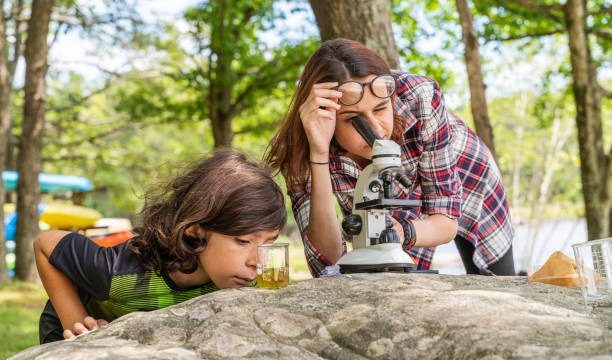
Microbiology, the study of microorganisms, reveals a fascinating world that exists all around us, teeming with life too small to see with the naked eye.
From the bacteria in our gut to the fungi that help decompose organic matter, these microorganisms are integral to our health and the health of our planet.
When we think of microorganisms, we might picture harmful germs, but the truth is that the vast majority of microbes are beneficial, and many are essential for life. In fact, it’s estimated that there are about ten times more microbial cells in our bodies than human cells. This microbiome is a complex community of bacteria, viruses, fungi, and other microbes that work together to maintain our bodily functions. They help us digest food, synthesize vitamins, and even protect us from pathogens. This intricate relationship underscores the importance of understanding and appreciating the microbial world.
A small shift toward balance
One of the most captivating aspects of microbiology is the balance that exists within these microbial communities. Each microorganism has a role to play, and when this balance is disrupted, it can lead to various health issues. For instance, an imbalance in gut bacteria has been linked to conditions such as irritable bowel syndrome, obesity, and even mental health disorders. This highlights the importance of nurturing our microbiome through a healthy diet rich in fiber, probiotics, and prebiotics.
The foods we consume can significantly influence our microbiome. Fermented foods like yogurt, kimchi, and sauerkraut are packed with beneficial bacteria that can help restore balance. Meanwhile, a diet high in processed foods and sugars can lead to an overgrowth of harmful bacteria. By choosing whole, natural foods, we can support our internal ecosystem, promoting not only physical health but also emotional well-being.
Connecting with nature
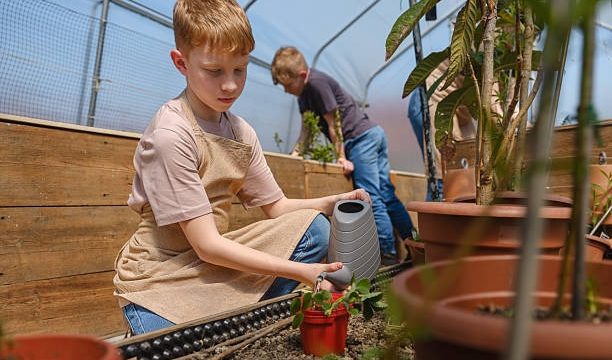
Microbiology also extends beyond our bodies to the environment around us. Soil, for example, is a bustling hub of microbial activity. The bacteria and fungi found in soil are essential for nutrient cycling, breaking down organic matter, and supporting plant growth. This intricate web of life is what allows ecosystems to thrive. By nurturing healthy soil through sustainable practices, we can enhance food production and promote biodiversity.
In recent years, there has been a growing interest in soil health and its connection to human health. Practices such as composting and regenerative agriculture are gaining traction as we recognize the importance of maintaining healthy microbial communities in our environment. By fostering a deeper connection with nature, we can appreciate the vital role microorganisms play in sustaining life on Earth.
A glimpse into the unseen
The study of microbiology has opened up a world of discovery, revealing the potential of microorganisms in various fields. For instance, in medicine, researchers are exploring the use of bacteria to fight antibiotic-resistant infections. By harnessing the power of these tiny organisms, scientists hope to develop new treatments that can effectively combat diseases that have become increasingly challenging to treat.
Moreover, microbiology plays a crucial role in biotechnology, where microbes are used to produce everything from biofuels to biodegradable plastics. These innovations highlight the potential of microorganisms to address some of the pressing challenges we face today, such as climate change and pollution. As we continue to explore the capabilities of these tiny life forms, we may uncover solutions that can lead to a more sustainable and healthier future.
Cultivating curiosity
As we delve deeper into the world of microbiology, it’s essential to cultivate a sense of curiosity and wonder. The more we learn about these microorganisms, the more we can appreciate their complexity and significance. Engaging with this field can be as simple as starting a home fermentation project, like brewing kombucha or making yogurt, which allows us to witness the power of microbes firsthand.
Additionally, spending time outdoors and observing the natural world can deepen our understanding of microbial life. Whether it’s taking a walk in the park, tending to a garden, or simply appreciating the diversity of life in a patch of soil, these experiences can foster a greater appreciation for the interconnectedness of all living things.
Embracing the invisible
As we navigate our daily lives, it’s easy to forget the invisible forces that shape our health and environment. Microbiology reminds us that even the smallest organisms can have a profound impact on our lives. By embracing this hidden world, we can cultivate a deeper understanding of our place within the ecosystem and the importance of maintaining balance.
In a world that often feels overwhelming, taking a moment to reflect on the beauty of microorganisms can be a source of comfort. They serve as a reminder that life is full of intricate connections, and that even the tiniest beings can contribute to the greater good. As we continue to explore the amazing world of microbiology, let us remain open to the lessons it offers and the wonders it unveils.
In conclusion, microbiology is not just a scientific discipline; it is a lens through which we can view the world around us. By appreciating the role of microorganisms in our lives, we can foster a sense of connection to our own health, the environment, and the broader tapestry of life on Earth. So the next time you enjoy a delicious meal, take a moment to acknowledge the unseen life forms that contributed to it, and remember that in this vast universe, even the smallest entities can hold great significance.