In a world where the traditional education system often feels rigid and unyielding, alternative education emerges as a gentle breeze of possibility.
It offers a fresh perspective on learning, one that prioritizes individuality, creativity, and personal growth.
As we navigate through the complexities of education, it’s worth exploring how alternative education can open doors to new opportunities and enrich our lives in unexpected ways.
A new perspective on learning
Alternative education refers to a variety of educational approaches that diverge from the conventional school system. These methods can include homeschooling, unschooling, Montessori, Waldorf, and various other progressive educational philosophies. Each of these approaches shares a common goal: to foster a love for learning and to cultivate the unique potential of each student.
One of the most appealing aspects of alternative education is its emphasis on the holistic development of the individual. Rather than focusing solely on standardized testing and rigid curricula, alternative education encourages learners to explore their interests, develop critical thinking skills, and engage with the world around them. This shift in focus can lead to a more fulfilling and enriching educational experience.
A nurturing environment for growth
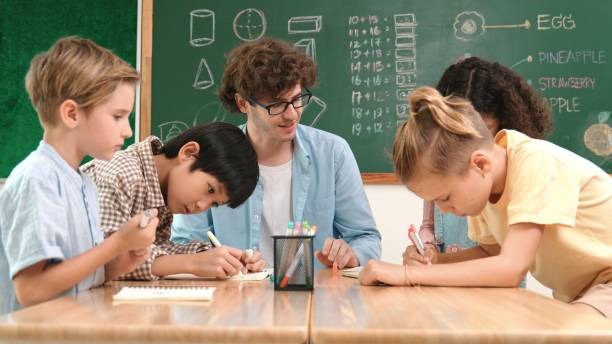
Imagine a classroom where the walls are adorned with art created by the students, where discussions flow freely, and where the curriculum adapts to the needs and passions of each learner. This is the essence of many alternative education settings. Here, students are not just passive recipients of information; they are active participants in their own education.
In these nurturing environments, children are encouraged to ask questions, explore their curiosities, and pursue their passions. This kind of engagement not only fosters a deeper understanding of subjects but also nurtures a sense of self-confidence and independence. When students feel valued and heard, they are more likely to develop a lifelong love for learning.
Connecting with nature and community
Another beautiful aspect of alternative education is its commitment to connecting students with nature and their communities. Many alternative programs incorporate outdoor learning experiences, allowing children to explore the natural world and understand their place within it. This connection to nature can instill a sense of responsibility and stewardship for the environment, fostering a generation that values sustainability and conservation.
Community involvement is also a cornerstone of alternative education. Students often engage in service projects, collaborate with local organizations, and participate in community events. These experiences not only enhance their social skills but also help them understand the importance of empathy and cooperation. By learning in a context that emphasizes community, students develop a sense of belonging and purpose.
Personalized learning journeys
In traditional educational settings, a one-size-fits-all approach often leaves many students feeling lost or disengaged. Alternative education offers a refreshing alternative by providing personalized learning journeys tailored to each student’s interests and abilities. This individualized approach allows learners to progress at their own pace, ensuring they grasp concepts fully before moving on.
For example, a child passionate about animals might engage in a project about wildlife conservation, while another student interested in technology could delve into coding. By allowing students to steer their own learning, alternative education cultivates intrinsic motivation and empowers them to take ownership of their educational paths.
Embracing creativity and innovation
Creativity is often stifled in traditional educational settings, where conformity and standardization reign supreme. In contrast, alternative education celebrates innovation and imaginative thinking. Many alternative programs emphasize the arts, encouraging students to express themselves through painting, music, drama, and other creative outlets.
This focus on creativity not only nurtures artistic talents but also fosters problem-solving skills and adaptability—qualities that are increasingly valuable in today’s rapidly changing world. Students learn to think outside the box, approach challenges with an open mind, and embrace the beauty of imperfection.
A sense of community and support
For families seeking alternative education, finding a supportive community can be transformative. Many alternative education programs foster strong connections among parents, educators, and students, creating a network of support that enhances the learning experience. This sense of belonging can be especially comforting for families who may feel isolated or misunderstood in their educational choices.
Within these communities, parents often share resources, ideas, and experiences, creating a rich tapestry of knowledge and support. This collaborative spirit not only benefits the children but also empowers parents to be active participants in their children’s education, fostering a shared commitment to lifelong learning.
Navigating challenges with resilience
While alternative education offers many advantages, it’s essential to acknowledge that it may come with its own set of challenges. Families may face skepticism from friends or relatives who are accustomed to traditional educational norms. Additionally, finding the right program or approach that aligns with a child’s needs can be a journey in itself.
However, navigating these challenges can also be an opportunity for growth. Families who choose alternative education often develop resilience, adaptability, and problem-solving skills as they advocate for their children’s needs. This journey can strengthen family bonds and create a shared sense of purpose.
Looking ahead with hope
As we reflect on the landscape of education, it’s clear that alternative education is not merely a trend but a movement toward a more inclusive and compassionate approach to learning. By opening doors to diverse educational experiences, we create a brighter future for our children—a future where they can thrive, explore, and become the best versions of themselves.
In this ever-evolving world, alternative education reminds us that learning is not confined to the walls of a classroom. It is a lifelong journey filled with exploration, creativity, and connection. As we embrace these alternative paths, let us celebrate the unique stories that emerge, knowing that each one contributes to the rich tapestry of human experience.