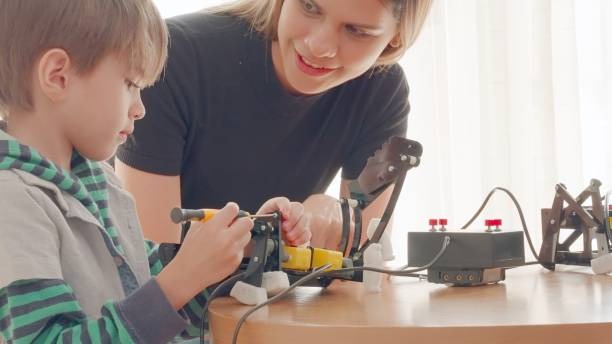
Creating a positive experience for every student is a noble aspiration that can transform the educational landscape.
As we navigate the complexities of today’s world, it becomes increasingly important to prioritize not just academic success, but also the well-being and happiness of students.
Education should be a journey filled with discovery, growth, and joy. To achieve this, we must cultivate an environment where positivity thrives and every student feels valued.
The journey begins with understanding that every student is unique, bringing their own set of experiences, backgrounds, and perspectives to the classroom. This diversity enriches the learning experience and creates a tapestry of ideas and creativity. By embracing these differences, educators can foster an inclusive atmosphere that celebrates individuality. When students feel seen and appreciated, their confidence flourishes, leading to a more engaged and enthusiastic approach to learning.
A small shift toward balance can make a significant difference in how students experience school. Traditional education often emphasizes grades and test scores, which can inadvertently create stress and anxiety. Instead, a balanced approach that values emotional well-being alongside academic achievement encourages students to develop a love for learning. This can be achieved by integrating social-emotional learning into the curriculum, allowing students to cultivate skills such as empathy, resilience, and mindfulness. These skills not only enhance their academic performance but also prepare them for the challenges of life beyond school.
Creating a supportive community is essential in nurturing a positive educational experience. When students feel connected to their peers, teachers, and the school as a whole, they are more likely to engage fully in their education. Schools can foster this sense of community by encouraging collaboration and teamwork. Group projects, peer mentoring, and cooperative learning activities can help build strong relationships among students. Additionally, schools can host events that bring families together, creating a network of support that extends beyond the classroom.
Another important aspect of a positive student experience is the physical environment of the school. A welcoming, safe, and stimulating space can inspire creativity and joy in learning. Classrooms filled with natural light, comfortable seating, and engaging materials can encourage exploration and curiosity. Outdoor spaces, such as gardens or playgrounds, offer students a chance to connect with nature and recharge during the school day. By investing in the physical environment, schools can create a backdrop that enhances the overall learning experience.
Teachers play a pivotal role in shaping a positive atmosphere for students. Their passion, dedication, and empathy can leave a lasting impact on young minds. When teachers prioritize building relationships with their students, they create a safe space where learning can occur. Taking the time to understand each student’s needs, interests, and challenges allows educators to tailor their approach, making learning more relevant and meaningful. A teacher who listens and supports can become a guiding light for students, helping them navigate both academic and personal challenges.
Encouraging creativity and self-expression is another vital component of a positive educational experience. Students thrive when they have opportunities to explore their interests and showcase their talents. Art, music, drama, and other creative outlets not only enhance learning but also allow students to express themselves in ways that resonate with their identities. Schools can encourage creativity by providing diverse extracurricular activities and fostering an environment where students feel free to experiment and take risks.
Incorporating moments of joy and celebration into the school year can also uplift the student experience. Recognizing achievements, whether big or small, can boost morale and motivate students to strive for their best. Celebrating cultural diversity through events, festivals, and awareness days can foster appreciation and understanding among students. These moments of joy create lasting memories and contribute to a sense of belonging within the school community.
As we strive to create a positive experience for every student, it is essential to involve parents and guardians in the process. Open lines of communication between home and school can ensure that students receive the support they need in both environments. Schools can host workshops, parenting classes, or informational sessions to equip families with the tools they need to understand and support their children’s educational journey. When families feel engaged and informed, students are more likely to thrive.
In addition, fostering a growth mindset within the school culture can encourage students to embrace challenges and view setbacks as opportunities for learning. By promoting the idea that effort and perseverance lead to improvement, students can develop resilience and a love for learning that lasts a lifetime. Educators can model this mindset, sharing their own experiences of growth and learning, and encouraging students to celebrate their progress along the way.
Ultimately, a positive experience for every student is about more than just academics; it’s about nurturing the whole child. By focusing on emotional well-being, fostering community, encouraging creativity, and involving families, we can create an environment where students feel valued and empowered. The journey of education should be one filled with joy, discovery, and personal growth, paving the way for a brighter future for all students.
As we move forward, let us commit to making education a positive experience for every student. Together, we can create a culture of kindness, support, and understanding that echoes through the halls of our schools and into the hearts of our students. By prioritizing their well-being, we are not just investing in their futures; we are shaping a more compassionate and inclusive world for generations to come.