In recent years, the landscape of education has evolved dramatically, paving the way for innovative approaches that cater to diverse learning needs.
One such approach that has gained traction is blended learning, a harmonious blend of traditional classroom instruction and digital learning experiences.
This method not only enhances engagement but also fosters creativity, making it an ideal fit for today’s dynamic educational environment.
The essence of blended learning lies in its flexibility. It allows educators to combine face-to-face teaching with online resources, offering students the opportunity to learn in a way that resonates with their individual styles. This flexibility can be particularly beneficial in creative classrooms, where inspiration often thrives in varied forms. Imagine a classroom where students can collaborate on projects, engage in discussions, and explore their artistic impulses, all while having the option to access digital tools that enhance their learning experience.
A small shift toward balance can make a significant difference in how students perceive their educational journey. In a blended learning environment, students are not just passive recipients of information; they become active participants in their own learning. This shift encourages them to take ownership of their education, fostering a sense of responsibility and enhancing their creative potential. When students are empowered to explore their interests and passions, they are more likely to engage deeply with the content, leading to richer learning experiences.
The integration of technology in the classroom can seem daunting at first, but it opens up a world of possibilities. Digital platforms offer a wealth of resources that support various learning styles, from interactive videos to engaging simulations. For instance, art students can explore virtual galleries or participate in online workshops with renowned artists from around the globe. This exposure not only broadens their horizons but also inspires them to think outside the box, nurturing their creativity in ways that traditional methods might not.
Moreover, blended learning promotes collaboration among students. In a creative classroom, teamwork is essential, and technology can facilitate this in remarkable ways. Students can work together on projects using collaborative tools, sharing ideas and feedback in real time, regardless of their physical location. This collaborative spirit fosters a sense of community and encourages students to learn from one another, sparking new ideas and innovative approaches to problem-solving.
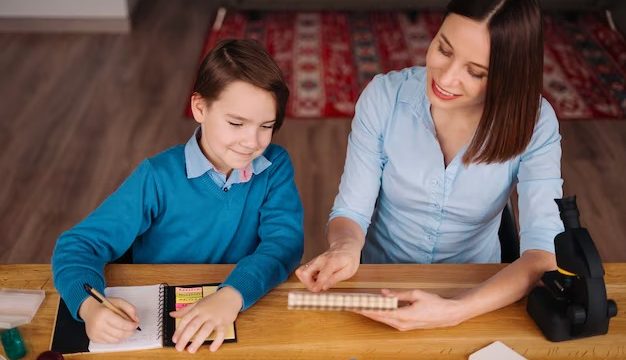
As educators embrace blended learning, it’s important to remember the human element at the core of this approach. Building relationships in the classroom is crucial for fostering a safe and nurturing environment where creativity can flourish. Teachers play a vital role in guiding students through their learning journeys, providing support and encouragement as they navigate both traditional and digital landscapes. By cultivating genuine connections, educators can help students feel valued and understood, allowing their creative expressions to shine.
Creating a supportive environment also involves recognizing the unique challenges that students may face in a blended learning setting. While technology can be an incredible asset, it can also be overwhelming at times. Educators should strive to provide resources and guidance that help students navigate these challenges effectively. This might include offering tutorials on new software, encouraging open discussions about their experiences, or simply being available for one-on-one support when needed.
In addition to fostering creativity, blended learning can also promote a sense of balance in students’ lives. The flexibility of this approach allows for a more personalized learning experience, enabling students to manage their time in a way that suits their individual needs. This can be especially beneficial for creative learners who often thrive in environments that allow them to express themselves freely. By balancing online and in-person learning, students can develop a healthier relationship with their education, one that encourages exploration and self-discovery.
As we look to the future of education, it’s clear that blended learning will continue to play a pivotal role in shaping creative classrooms. The marriage of traditional teaching methods with innovative digital tools opens up endless possibilities for both educators and students. By embracing this approach, we can cultivate an environment where creativity flourishes, collaboration thrives, and every student feels empowered to explore their passions.
In conclusion, the journey toward a blended learning environment is not merely about integrating technology; it’s about fostering a culture of creativity and collaboration. By supporting students in their learning journeys and providing them with the tools they need to succeed, we can create classrooms that inspire and nurture the next generation of thinkers, creators, and innovators. As we embrace this new era of education, let us remember that at the heart of blended learning lies the potential for every student to shine, to express themselves, and to discover the joy of learning in all its forms.