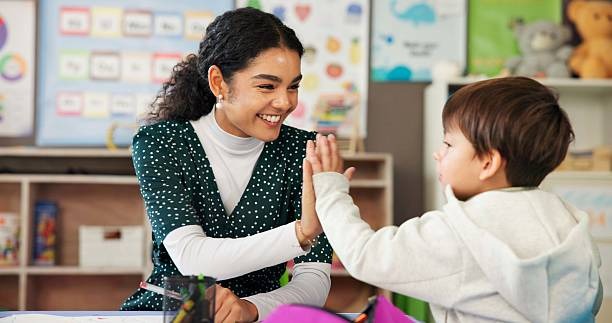
Every student has their own unique learning journey, filled with challenges, triumphs, and moments of discovery.
As educators, parents, and mentors, it’s essential to recognize the individual needs of each learner and provide the support that can help them flourish.
This journey is not just about academics; it encompasses emotional, social, and personal growth. By understanding how to nurture each student, we can foster an environment where they feel valued and empowered.
A gentle approach to understanding
Supporting students begins with understanding who they are as individuals. Each student comes to the classroom with their own set of experiences, strengths, and challenges. Taking the time to learn about their interests, motivations, and learning styles allows us to create a more personalized experience. This could be as simple as engaging in conversations that delve into their hobbies or aspirations. When students feel seen and understood, they are more likely to engage deeply with the material and take ownership of their learning.
Creating a nurturing environment
A supportive learning environment is vital for student success. It’s important to cultivate a space where students feel safe to express themselves, ask questions, and make mistakes. Encouraging open dialogue and collaboration among peers can foster a sense of community. When students feel connected to their classmates and teachers, they are more likely to take risks in their learning and explore new ideas without fear of judgment.
Incorporating flexibility in learning approaches can also make a significant difference. Not every student learns the same way, and offering various methods of instruction—such as hands-on activities, visual aids, or group discussions—can cater to diverse learning styles. By being adaptable and receptive to feedback, educators can make adjustments that help each student thrive.
The power of encouragement
Encouragement plays a crucial role in a student’s learning journey. A simple word of praise or acknowledgment can boost a student’s confidence and motivation. Celebrating small victories—be it mastering a difficult concept or showing improvement in a specific area—can instill a sense of accomplishment. It’s important to remind students that progress is often incremental, and every step forward counts.
Additionally, fostering a growth mindset can empower students to embrace challenges. Encouraging them to view setbacks as opportunities for growth rather than failures can help them build resilience. Sharing stories of perseverance, whether from personal experiences or notable figures, can inspire students to keep pushing forward, even when the path gets tough.
Building strong relationships
The foundation of effective support lies in building strong relationships. Taking the time to connect with students on a personal level can make a world of difference. This could mean checking in with them regularly, showing genuine interest in their lives, or simply being present and available to listen. When students know they have someone in their corner, they are more likely to reach out for help when needed.
Involving parents and guardians in the learning process is also essential. Open lines of communication can create a collaborative approach to education, where everyone is invested in the student’s success. Regular updates on progress, challenges, and strategies for support at home can strengthen this partnership and provide a more holistic approach to learning.
Embracing diverse perspectives
Diversity enriches the learning environment, bringing in various viewpoints and experiences. Encouraging students to share their backgrounds and perspectives can foster empathy and understanding among peers. This not only enhances social skills but also prepares students for a world that is increasingly interconnected.
Incorporating diverse materials and resources into the curriculum can also provide students with a broader understanding of the world around them. By exposing them to different cultures, histories, and ideas, we can help them develop critical thinking skills and a sense of global citizenship. This approach not only supports academic growth but also nurtures compassion and respect for others.
Encouraging self-advocacy
As students progress through their educational journeys, teaching them to advocate for themselves becomes increasingly important. Encouraging them to express their needs, whether it’s asking for help or seeking additional resources, fosters independence and self-confidence. This skill will serve them well beyond the classroom, empowering them in future endeavors.
Creating opportunities for students to practice self-advocacy can be beneficial. This could involve role-playing scenarios, encouraging them to participate in discussions, or guiding them in setting personal academic goals. By giving them the tools to speak up for themselves, we help them take charge of their own learning experiences.
Fostering a love for lifelong learning
Ultimately, the goal of education is to instill a love for learning that lasts a lifetime. By supporting each student through their unique journey, we can inspire curiosity and a desire to explore new ideas and concepts. Encouraging students to pursue their interests outside of the classroom—whether through clubs, extracurricular activities, or personal projects—can ignite a passion for learning that extends far beyond textbooks.
Creating a culture that values curiosity and exploration can lead to a more engaged and enthusiastic student body. When students are excited about learning, they are more likely to take initiative and pursue knowledge in all its forms.
Supporting each student through their learning journey is a multifaceted endeavor that requires patience, understanding, and a commitment to nurturing their growth. By creating a warm and welcoming environment, fostering strong relationships, and encouraging self-advocacy, we can help each learner navigate their path with confidence and joy. In doing so, we not only support their academic achievements but also contribute to their overall development as compassionate, curious individuals ready to embrace the world.