Learning from Mistakes in School
In the journey of education, mistakes often feel like daunting obstacles, but they can also be the stepping stones to deeper understanding and personal growth.
Whether it’s a miscalculation in math class or a misunderstanding of a literary theme, these moments can leave students feeling disheartened.
However, embracing these hiccups as opportunities for learning can transform the experience of schooling into one of resilience and self-discovery.
Understanding that mistakes are a natural part of learning can be liberating. In school, students are encouraged to explore new ideas, engage with complex concepts, and challenge their existing knowledge. This process is inherently imperfect. When students approach their studies with the understanding that errors are not failures but rather valuable lessons, they cultivate a mindset that fosters curiosity and perseverance.
A small shift toward balance can make all the difference. Instead of viewing a poor grade or a missed question as a reflection of their worth, students can learn to see these instances as a chance to reflect and improve. This perspective encourages a healthy relationship with learning, where the focus shifts from perfection to progress. It’s about embracing the journey rather than fixating solely on the destination.
Creating a supportive environment is essential for this shift. Teachers and parents play a crucial role in helping students navigate their mistakes. When educators respond to errors with kindness and constructive feedback, they create a safe space for students to explore their thoughts and ideas without fear of judgment. This nurturing atmosphere can inspire students to take risks, ask questions, and ultimately grow from their experiences.
Moreover, celebrating small victories along the way can help students build confidence in their abilities. Recognizing improvement, no matter how incremental, reinforces the idea that learning is a process filled with ups and downs. For example, a student who struggles with writing may not produce a perfect essay but could show significant improvement in their ability to articulate their thoughts. Acknowledging this progress not only boosts morale but also encourages a lifelong love of learning.
Reflecting on mistakes can also foster critical thinking skills. When students analyze what went wrong, they engage in a deeper level of understanding that goes beyond rote memorization. This reflective practice allows them to identify patterns in their thinking and behavior, leading to more informed decisions in the future. For instance, a student who consistently misinterprets math problems might benefit from breaking down the steps more methodically or seeking additional resources to strengthen their foundational knowledge.
Another important aspect of learning from mistakes is developing resilience. Life is filled with challenges, and the ability to bounce back from setbacks is a valuable skill that extends far beyond the classroom. When students learn to view mistakes as opportunities for growth, they cultivate a mindset that helps them navigate future obstacles with grace and determination. This resilience not only enhances their academic performance but also prepares them for the complexities of adult life.
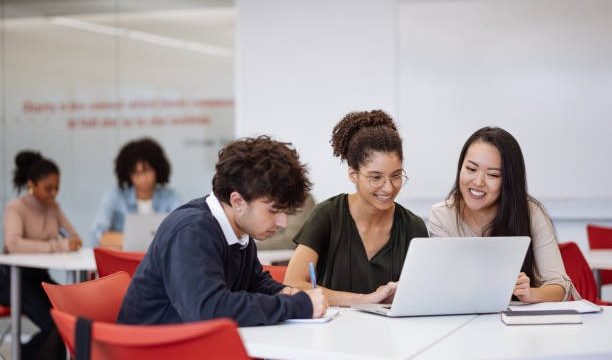
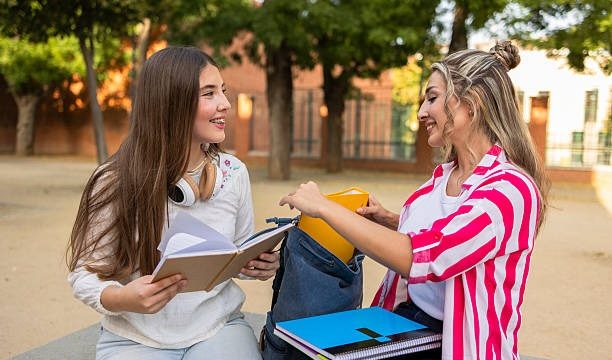
In addition to fostering resilience, learning from mistakes can also promote empathy and compassion among peers. When students share their struggles and learn from one another’s experiences, they build a sense of community that values collaboration over competition. This environment encourages students to support one another, creating a culture where mistakes are seen as shared experiences rather than personal failures. Such camaraderie can lead to lasting friendships and a more enjoyable school experience.
Encouraging open conversations about mistakes can also help destigmatize failure. When students feel comfortable discussing their challenges, it normalizes the experience and reinforces the idea that everyone faces difficulties at some point. This openness can lead to richer discussions about learning strategies, study habits, and coping mechanisms, ultimately benefiting the entire class.
As students progress through their education, the lessons learned from mistakes can have a lasting impact. The skills of reflection, resilience, and empathy will serve them well not just in academic settings, but in all areas of life. Whether they find themselves in a challenging work situation or navigating personal relationships, the ability to learn from setbacks will empower them to approach challenges with confidence and grace.
Encouraging a growth mindset is crucial in this journey. When students believe that their abilities can be developed through dedication and hard work, they are more likely to embrace challenges and persist in the face of setbacks. This mindset fosters a love of learning and a resilience that can carry them through the ups and downs of life. Teachers and parents can support this growth by modeling a growth mindset themselves, sharing their own experiences with mistakes, and emphasizing the importance of effort over innate talent.
In conclusion, learning from mistakes in school is not just about improving grades; it’s about cultivating a mindset that embraces growth, resilience, and empathy. By shifting the focus from fear of failure to the joy of learning, students can navigate their educational journey with confidence and curiosity. As they learn to reflect on their experiences and support one another, they create a rich tapestry of shared learning that enhances both their academic and personal lives. In this way, mistakes become not just stumbling blocks, but stepping stones on the path to success.