In the bustling world of education, where the quest for effective teaching strategies is ever-present, peer observation emerges as a gentle yet powerful tool for growth.
It invites educators to step into each other’s classrooms, fostering an environment that values collaboration and shared learning.
This practice not only enhances individual teaching styles but also nurtures a sense of community among educators, paving the way for innovative approaches to learning.
A moment of connection
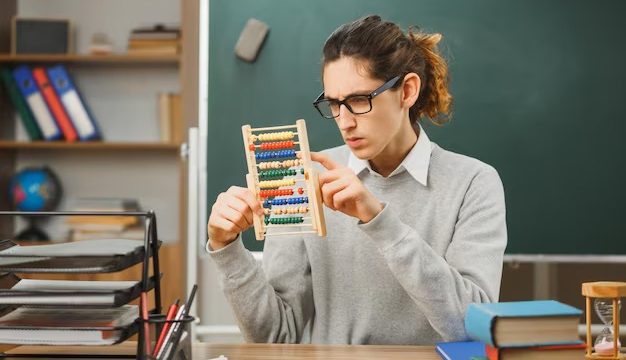
Imagine walking into a colleague’s classroom, the air buzzing with the energy of engaged students. You take a seat at the back, observing the rhythm of the lesson unfold. This isn’t just a casual visit; it’s a moment of connection, an opportunity to witness firsthand the strategies that make a difference. Peer observation allows teachers to see their peers in action, offering insights that can inspire new methods or refine existing ones.
The beauty of this experience lies in its simplicity. It’s not about judgment or evaluation; instead, it’s an invitation to learn from one another. As educators, we often find ourselves isolated in our classrooms, focusing on our own practices. Peer observation breaks down these walls, encouraging collaboration and the sharing of ideas. It’s a gentle reminder that we are all in this together, striving to create the best learning environment for our students.
Fostering a culture of trust
For peer observation to truly thrive, it’s essential to cultivate a culture of trust. This involves open communication and a willingness to be vulnerable. Educators must feel safe to share their practices and to welcome feedback. When trust is established, the experience transforms from a mere observation into a rich dialogue about teaching and learning.
Creating this supportive atmosphere can begin with simple conversations. Before an observation takes place, educators can discuss their goals and the specific aspects they wish to focus on. This clarity not only sets the stage for a productive observation but also strengthens the bond between colleagues. It’s about building relationships that extend beyond the classroom walls, fostering a community of practice that benefits everyone involved.
Reflecting on experiences
After the observation, the real magic happens during the reflection phase. This is where insights are shared, and conversations deepen. Educators can discuss what they observed, what resonated with them, and how they might adapt those strategies in their own classrooms. This exchange of ideas can spark new approaches that may not have been considered otherwise.
Reflection also encourages educators to examine their own practices more closely. By observing others, they gain fresh perspectives on their teaching styles, prompting them to think critically about their methods. This process of self-reflection can lead to significant growth, as teachers become more aware of their strengths and areas for improvement.
A small shift toward balance
As the educational landscape continues to evolve, it’s crucial for educators to remain adaptable. Peer observation not only offers a way to share best practices but also encourages a mindset of lifelong learning. In a world where change is constant, being open to new ideas and strategies is essential for both personal and professional development.
This practice also provides an opportunity to balance various teaching methodologies. Observing a colleague who excels in interactive learning might inspire an educator to incorporate more hands-on activities in their own lessons. Conversely, witnessing effective classroom management techniques can help create a more organized and productive environment. These small shifts can have a profound impact on student engagement and learning outcomes.
The ripple effect of collaboration
When educators engage in peer observation, the benefits extend beyond individual classrooms. The collaborative spirit that develops can create a ripple effect throughout the entire school. Teachers who feel supported and inspired are more likely to share their enthusiasm with their students, leading to a more vibrant learning atmosphere.
Moreover, this practice encourages a collective commitment to excellence in teaching. As educators share their successes and challenges, they collectively raise the bar for what is possible in the classroom. This culture of continuous improvement fosters innovation and creativity, ultimately benefiting students and the broader educational community.
Embracing the journey
As with any journey, embracing peer observation requires patience and openness. It’s a process that evolves over time, with each observation providing new insights and opportunities for growth. Educators should approach this practice with a sense of curiosity, ready to explore the diverse teaching styles and strategies that their colleagues have to offer.
Ultimately, peer observation is about more than just enhancing teaching strategies; it’s about building a supportive network of educators who are passionate about their craft. It’s an invitation to embark on a shared journey toward excellence, where collaboration and reflection lead to enriched learning experiences for both teachers and students.
In this ever-changing educational landscape, let us remember that we are not alone in our quest for effective teaching. By embracing peer observation, we create a community that thrives on the exchange of ideas, fostering a culture of growth and improvement. Together, we can elevate the teaching profession and inspire the next generation of learners.