In the ever-evolving landscape of education, fostering a positive classroom culture remains a cornerstone of effective teaching.
One approach that has been gaining traction in recent years is peer observation.
This practice not only enhances individual teaching practices but also strengthens the communal fabric of the classroom. By observing one another, educators can cultivate a supportive network that ultimately benefits students and teachers alike.
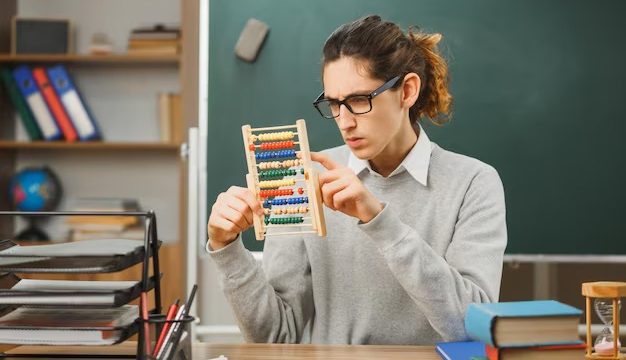
The essence of peer observation lies in its simplicity. At its core, it involves educators visiting each other’s classrooms to observe teaching techniques, student interactions, and classroom management strategies. This process allows teachers to gain fresh perspectives and insights that they might not have considered otherwise. Often, the act of stepping into a colleague’s classroom can spark inspiration, leading to new ideas that enhance one’s own teaching practice.
Creating a culture of openness and collaboration is vital for the success of peer observation. When educators feel comfortable sharing their classrooms with one another, it fosters an environment of trust and mutual respect. This sharing of experiences can create a ripple effect, encouraging teachers to explore innovative practices and embrace new methodologies. In turn, this can lead to improved student engagement, as teachers are more likely to implement strategies that resonate with their unique classroom dynamics.
A small shift toward balance can make a world of difference in how peer observation is perceived. Rather than viewing it as a formal evaluation process, educators can approach it as a collaborative learning experience. This shift in mindset helps to alleviate any anxiety associated with being observed. It’s essential to remember that the goal is not to critique but to learn from one another. This perspective allows for a more enriching experience for both the observer and the observed.
Incorporating peer observation into professional development can also enhance its effectiveness. By scheduling regular observation times and providing structured reflection sessions afterward, schools can create a framework that supports continuous growth. These reflection sessions can be a safe space for teachers to discuss what they observed, share insights, and brainstorm ways to implement new strategies in their own classrooms. Such discussions can deepen relationships among educators, fostering a sense of camaraderie as they navigate the challenges of teaching together.
The benefits of peer observation extend beyond individual growth; they create a sense of community within the school. When teachers engage in this practice, they begin to understand each other’s challenges and successes on a deeper level. This shared understanding can lead to a more cohesive school culture, where educators celebrate each other’s strengths and collectively work toward overcoming obstacles. The classroom becomes not just a space for learning but a hub of collaboration and support.
In many ways, peer observation mirrors the experiences we have in life outside of the classroom. Just as we learn from friends, family, and mentors, teachers can learn from one another. This interconnectedness is what makes the teaching profession so rewarding. The relationships built through peer observation can often extend beyond the classroom, leading to lifelong friendships and professional partnerships.
As educators engage in peer observation, it’s important to approach it with a sense of curiosity and openness. Each classroom is a unique ecosystem, shaped by the personalities of the teacher and the students. Observers should enter with an intention to learn, rather than to judge. This mindset can lead to profound insights, as teachers discover new ways to connect with their students and enhance their learning experiences.
Moreover, peer observation can serve as a catalyst for innovation. When educators see their peers implement creative strategies or engage students in novel ways, it can inspire them to think outside the box. This innovation is essential in today’s diverse educational landscape, where students come from various backgrounds and possess different learning styles. By embracing new ideas and approaches, teachers can better meet the needs of their students, creating a more inclusive and engaging classroom environment.
A gentle reminder to celebrate small victories can also be beneficial as educators embark on this journey. Each observation session can provide valuable takeaways, no matter how minor they may seem. Recognizing and appreciating these moments can help sustain motivation and enthusiasm for the practice. When teachers feel empowered by their experiences, they are more likely to share their insights with others, further enriching the school community.
Ultimately, the power of peer observation lies in its ability to transform not just individual teaching practices but the entire classroom culture. By fostering a sense of collaboration and support, educators can create an environment where both teachers and students thrive. The benefits of this practice extend far beyond the classroom walls, influencing the broader school community and enhancing the overall educational experience.
As the educational landscape continues to evolve, embracing peer observation can serve as a beacon of hope for teachers seeking to strengthen their practices and build a positive classroom culture. It reminds us that we are all on this journey together, learning from one another and growing as professionals. In this shared endeavor, we can cultivate a nurturing environment where both educators and students flourish.