In the ever-evolving world of education, the pursuit of excellence in teaching often feels like a solitary journey.
Yet, one powerful practice is emerging as a beacon of collaboration and growth: peer observation.
This approach not only enriches the teaching experience but also fosters a nurturing environment where educators can connect, learn, and thrive together.
Creating a culture of observation
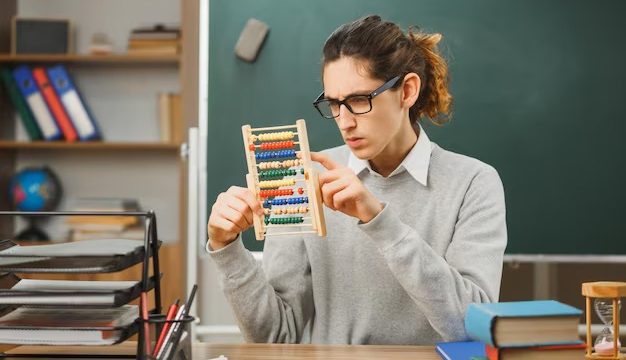
Peer observation invites teachers to step into each other’s classrooms, to witness firsthand the diverse approaches and techniques that shape learning experiences. This practice encourages a culture of openness and trust, where educators feel safe to share their methods and insights. By observing a colleague, teachers can gain fresh perspectives, discover new strategies, and reflect on their own practices. It’s like peering into a window of opportunity, where each glance offers a chance to learn something new.
The beauty of mutual learning
One of the most rewarding aspects of peer observation is the mutual learning that occurs. As educators share their unique teaching styles, they create a rich tapestry of ideas that can inspire and invigorate their own practices. For instance, a teacher who specializes in creative project-based learning may introduce innovative techniques that spark curiosity in another teacher’s classroom. This exchange of ideas not only enhances individual teaching practices but also elevates the overall learning environment for students.
Building connections through shared experiences
When teachers engage in peer observation, they form deeper connections with their colleagues. These shared experiences cultivate a sense of community and belonging, which is essential in the often hectic world of education. As educators observe one another, they share stories, challenges, and triumphs, creating bonds that extend beyond the classroom. This camaraderie can lead to collaborative projects, joint planning sessions, and a supportive network that enriches both personal and professional lives.
A small shift toward balance
In the hustle of daily teaching responsibilities, it’s easy to lose sight of the importance of collaboration. Peer observation encourages a gentle shift toward balance, reminding educators that they are part of a larger community. Taking the time to observe a colleague not only benefits the observer but also provides valuable feedback and encouragement to the host teacher. This reciprocal relationship fosters an atmosphere where everyone feels valued and empowered to grow.
Reflecting on practice
Observation is not just about watching; it’s an opportunity for reflection. After observing a lesson, teachers can engage in meaningful conversations about what they saw, discussing what worked well and what could be improved. This reflective practice allows educators to critically analyze their own teaching methods in light of new insights, leading to continuous growth. It transforms the experience of observation into a collaborative dialogue that enhances professional development.
Encouraging a growth mindset
Peer observation aligns beautifully with the principles of a growth mindset, where the focus is on learning and improvement rather than perfection. By embracing the idea that teaching is an evolving art, educators can approach peer observation with curiosity and openness. This mindset shifts the focus from comparing oneself to others to celebrating the unique strengths each teacher brings to the classroom. As educators learn from one another, they cultivate an environment where experimentation and risk-taking are encouraged, leading to innovative practices that benefit students.
Navigating challenges together
While the benefits of peer observation are clear, it’s important to acknowledge the challenges that can arise. Some teachers may feel apprehensive about being observed, fearing judgment or criticism. To ease these concerns, it’s vital to establish a supportive framework that emphasizes growth rather than evaluation. Creating a safe space for observation, where feedback is constructive and collaborative, can help alleviate anxiety. When educators approach the process with kindness and understanding, they can navigate challenges together, turning potential obstacles into stepping stones for growth.
Celebrating successes
As teachers engage in peer observation, it’s essential to take a moment to celebrate their successes. Recognizing the progress made through collaboration reinforces the value of this practice. Whether it’s a small breakthrough in a lesson or a newfound technique that resonates with students, acknowledging these achievements fosters a positive atmosphere. Celebrating successes not only boosts morale but also inspires educators to continue their journey of growth and collaboration.
Looking ahead
As we look to the future of education, peer observation stands out as a vital practice that can transform teaching and learning experiences. By embracing this collaborative approach, educators can create a vibrant community that values shared learning. The benefits extend far beyond individual classrooms, enriching the entire educational landscape. As teachers continue to support one another through observation, they pave the way for a brighter, more connected future in education.
In a world where teaching can often feel isolating, peer observation offers a refreshing antidote. It is a gentle reminder that educators are not alone on their journey; they are part of a vibrant community eager to learn and grow together. By opening our doors to one another, we invite a world of possibilities, fostering an environment where collaboration and innovation thrive. In this shared space, every observation becomes a stepping stone toward a more enriching and fulfilling teaching experience.