In the world of education, the classroom serves as a vibrant canvas where ideas, interactions, and growth unfold.
The atmosphere within this space can significantly influence how students learn and thrive.
One of the most powerful tools for fostering positive change in classrooms is observation. When observation is approached with intention and care, it can create a ripple effect, enhancing both teaching practices and student experiences.
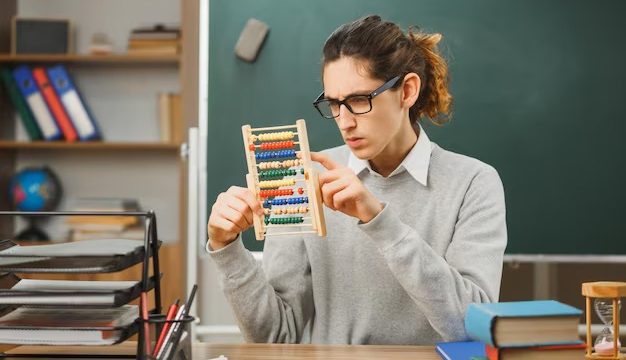
The art of observation begins with a simple yet profound premise: being present. When educators actively observe their surroundings, they gain insights that often go unnoticed in the hustle and bustle of daily routines. This practice encourages them to tune into the dynamics of their classroom, noticing not only academic performance but also social interactions and emotional well-being. By cultivating a habit of mindful observation, teachers can identify the unique needs of their students, leading to tailored support that nurtures individual growth.
Creating a culture of observation also fosters collaboration among educators. When teachers share their observations with one another, they open avenues for conversation and reflection. This collaborative spirit can lead to the sharing of successful strategies, providing fresh perspectives that invigorate teaching approaches. The simple act of discussing what has been seen can transform a classroom environment, sparking innovative ideas and inspiring educators to experiment with new methods.
In addition to enhancing collaboration among teachers, observation can create a more inclusive classroom environment. By observing student interactions and responses, educators can identify any barriers that may hinder participation or engagement. This awareness allows them to implement changes that promote inclusivity, ensuring that every student feels valued and heard. A classroom that embraces diversity is one where all students can flourish, contributing to a richer learning experience.
Observation can also serve as a gentle reminder for educators to reflect on their own practices. In the midst of lesson planning and grading, it’s easy for teachers to fall into routines that may not fully serve their students. Taking a step back to observe can lead to valuable insights about their own teaching styles. Are they engaging all students effectively? Are there moments where they might inadvertently create barriers to learning? This reflective practice not only improves teaching methods but also models a growth mindset for students, encouraging them to embrace their own learning journeys.
A small shift toward balance can also emerge from observation. In observing student behavior and engagement levels, teachers can identify patterns that indicate when a class may need a change of pace. Perhaps a particular lesson is dragging on, and students are losing interest. By noticing these signals, educators can adjust their approaches, incorporating breaks, interactive activities, or even a change in scenery. Such responsiveness can reinvigorate the classroom atmosphere, making learning feel more dynamic and engaging.
The power of observation extends beyond the classroom walls. When educators take the time to observe interactions during recess or lunchtime, they gain a deeper understanding of their students’ social dynamics. These observations can inform how they structure group work or address social issues that may arise. By being attuned to the relationships among students, teachers can foster a sense of community, promoting empathy and collaboration. This holistic approach contributes to a more positive classroom culture, ultimately benefiting everyone involved.
As with any practice, the effectiveness of observation relies on a commitment to intentionality. Educators who approach observation with a mindset of curiosity and openness are more likely to uncover meaningful insights. This gentle curiosity helps to create a safe space for both students and teachers, where exploration and experimentation are welcomed. When educators feel comfortable sharing their observations and insights, it fosters a culture of trust, encouraging students to share their thoughts and feelings as well.
Positive change in the classroom is often a gradual process, and observation plays a crucial role in this evolution. By continuously observing and adapting, educators can create a learning environment that is responsive to the needs of their students. This ongoing cycle of observation, reflection, and adjustment becomes a cornerstone of effective teaching, ultimately leading to improved student outcomes.
In a world where educational demands can seem overwhelming, observation offers a gentle reminder to slow down and truly see what is happening in the classroom. It encourages educators to embrace the nuances of teaching and learning, recognizing that every student is an individual with unique experiences and perspectives. By fostering a culture of observation, educators can cultivate an environment where positive change is not just possible but inevitable.
Ultimately, observation is more than just a tool for improvement; it is a pathway to connection. When teachers engage in the practice of observing their students, they build relationships grounded in understanding and empathy. This connection not only enhances the educational experience but also fosters a sense of belonging, allowing students to thrive both academically and personally.
As we continue to navigate the complexities of education, let us embrace the power of observation. By being present, sharing insights, and reflecting on our practices, we can create classrooms that inspire growth, collaboration, and joy. In doing so, we not only enrich the lives of our students but also contribute to a brighter future for education as a whole.