In our fast-paced world, the need for flexibility in our daily lives is more crucial than ever.
Whether we are navigating the complexities of work, family, or personal pursuits, finding ways to remain adaptable can lead to a more balanced and fulfilling existence.
One of the key areas where flexibility can flourish is in the realm of learning and instruction. By embracing instructional techniques that support flexibility, we can create an environment where both educators and learners can thrive.
Understanding the essence of flexibility is the first step toward cultivating it in educational settings. Flexibility is not merely about adjusting schedules or lesson plans; it embodies a mindset that encourages exploration, creativity, and resilience. When we approach learning with an open heart and mind, we allow space for innovation and growth. This mindset can be nurtured through various instructional techniques that not only promote adaptability but also enhance the overall learning experience.
A small shift toward balance can be achieved through differentiated instruction. This approach recognizes that learners are unique individuals, each bringing their own experiences, strengths, and challenges to the table. By tailoring instruction to meet diverse needs, educators create an inclusive environment. This can involve offering various pathways to learning, such as visual aids, hands-on activities, or collaborative projects. When students feel that their personal learning styles are acknowledged, they are more likely to engage meaningfully with the material.
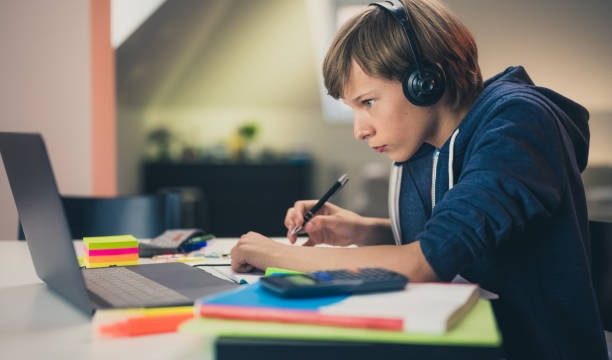
Another technique that fosters flexibility is the integration of technology in the learning process. In today’s digital age, technology offers endless opportunities for interactive and personalized learning experiences. Online resources, educational apps, and virtual classrooms can supplement traditional teaching methods, allowing students to explore subjects at their own pace. This not only encourages self-directed learning but also empowers students to take ownership of their educational journeys. When technology is used thoughtfully, it can break down barriers and create a more adaptable learning environment.
Creating a culture of open communication is also essential for supporting flexibility in instruction. When educators foster an atmosphere where students feel safe to express their thoughts and ideas, it encourages collaboration and creativity. Regular check-ins and feedback sessions can help identify areas where students might be struggling, allowing for timely adjustments to the teaching approach. By valuing student input and encouraging dialogue, educators can adapt their methods to better suit the needs of their learners.
Incorporating project-based learning is another powerful way to enhance flexibility in education. This approach allows students to engage with real-world challenges, promoting critical thinking and problem-solving skills. By working on projects that interest them, students can explore subjects in depth while developing a sense of agency. Project-based learning encourages collaboration, creativity, and adaptability, as students often need to pivot and adjust their plans based on new information or unforeseen challenges. This hands-on experience not only deepens understanding but also prepares students for the complexities of life beyond the classroom.
Mindfulness practices can also play a vital role in fostering flexibility. When students are encouraged to engage in mindfulness activities, such as meditation or breathing exercises, they learn to center themselves and manage stress. This enhanced self-awareness can lead to greater emotional resilience, enabling students to navigate challenges with a calm and clear mind. By integrating mindfulness into the classroom, educators can create a supportive environment that encourages flexibility in both thought and action.
An essential component of flexibility is the ability to embrace change. Life is full of unexpected twists and turns, and cultivating a mindset that welcomes change can be incredibly beneficial. Educators can model this behavior by demonstrating adaptability in their teaching methods. When students see their teachers responding positively to challenges and adjusting their approaches, they learn that flexibility is a valuable skill. This modeling can inspire students to approach their own learning with a similar mindset, equipping them to face future uncertainties with confidence.
Moreover, fostering a growth mindset is crucial for developing flexibility in learners. When students believe that their abilities can be developed through dedication and hard work, they are more likely to embrace challenges and view setbacks as opportunities for growth. Educators can encourage this mindset by celebrating effort and resilience rather than just results. By emphasizing the journey of learning, students can become more adaptable, open to new ideas, and willing to take risks.
Finally, the importance of self-reflection cannot be overstated in the journey toward flexibility. Encouraging students to reflect on their learning experiences helps them identify what works for them and what doesn’t. This practice not only promotes self-awareness but also empowers students to make informed choices about their learning paths. By incorporating reflective exercises, such as journaling or group discussions, educators can help students develop critical thinking skills and a deeper understanding of their own learning processes.
As we navigate the ever-changing landscape of education and life, the ability to remain flexible is an invaluable asset. By embracing instructional techniques that promote adaptability, we create an environment where both educators and learners can flourish. Whether through differentiated instruction, the integration of technology, or fostering open communication, the possibilities for supporting flexibility are endless.
In our quest for balance and growth, let us remember that flexibility is not just a skill; it is a way of being. By nurturing this quality within ourselves and our learners, we can cultivate a more vibrant, resilient, and connected community. Ultimately, the journey toward flexibility is a shared one, inviting us all to explore, adapt, and thrive together.