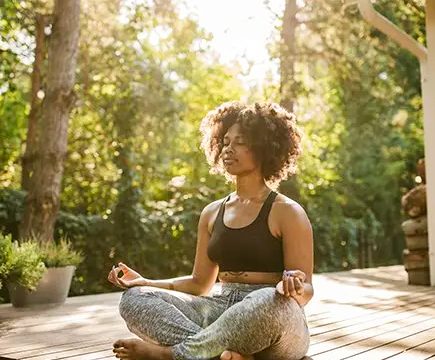
Walking alone is a simple activity, yet it holds a quiet power that often goes unnoticed.
In a world filled with constant noise and obligations, taking time to walk by yourself provides a rare opportunity to pause, reflect, and reconnect.
Unlike walking with others, which can bring conversation and companionship, walking alone creates space for personal reflection, mindfulness, and a deeper connection with both the environment and your inner self. It is a gentle practice that nurtures mental clarity, emotional balance, and a sense of peace.
One of the first benefits of walking alone is the ability to move at your own pace. Without the need to match someone else’s steps or keep to a schedule, you can set a rhythm that feels natural and comfortable. You may choose a slow, leisurely pace to take in your surroundings, or a steady, purposeful pace to engage your body and mind. This freedom allows walking to become a personal experience rather than a task or obligation. Each step becomes an opportunity to observe, breathe, and move without distraction or pressure.
The mental benefits of walking alone are profound. Solitude encourages reflection and clarity of thought. With fewer interruptions and no external demands, your mind can settle into a calm rhythm, allowing ideas, insights, and solutions to emerge naturally. Many people find that walking alone helps them process emotions, organize thoughts, or simply experience a break from mental clutter. The absence of conversation allows you to listen more closely to your inner voice, fostering a sense of self-awareness and understanding.
Walking alone also enhances mindfulness. As you move, you can focus on the sensations of your body, the rhythm of your breath, and the details of your surroundings. The sound of your footsteps, the feel of the ground beneath your shoes, the shifting sunlight, and the gentle rustle of leaves all become part of a rich sensory experience. Mindful walking encourages presence, helping you notice small details that might be overlooked in a hurried or crowded environment. This awareness contributes to a sense of calm and contentment, as attention is fully engaged in the present moment.
Nature provides an ideal backdrop for the peaceful side of walking alone. Parks, trails, beaches, and quiet streets invite exploration and offer sensory experiences that calm the mind. Observing the patterns of trees, the movement of water, or the play of light and shadow encourages appreciation of the natural world. Even short walks in natural settings can reduce stress, lower heart rate, and improve mood. Being alone in nature allows for uninterrupted reflection and a deeper connection with the environment, reinforcing the restorative qualities of walking.
Urban environments, too, offer unique opportunities for solitary walking. Exploring side streets, quiet neighborhoods, or local markets allows you to notice the rhythm and character of the city without distraction. Architectural details, street art, or small pockets of greenery take on a different significance when observed alone. Solitary walking in urban spaces encourages observation and curiosity, transforming ordinary streets into personal journeys of discovery.
Emotional restoration is another benefit of walking alone. Solitude provides a safe space to process feelings, release tension, and regain balance. Walking at your own pace allows for moments of introspection, reflection, or even silent meditation. It is a gentle way to manage stress, anxiety, or frustration, as movement naturally encourages the release of built-up tension. Over time, regular solitary walks can become a trusted practice for emotional renewal, offering calm in an otherwise busy or demanding day.
The simplicity of walking alone contributes to its peacefulness. There are no distractions from devices or conversation, no schedules to keep, and no expectations to meet. This simplicity allows the mind to rest, the body to move freely, and attention to settle on the present moment. Even short walks around the neighborhood or through a nearby park can become restorative when approached with focus and awareness. The ability to slow down and simply walk provides a quiet rhythm that is soothing to both body and mind.
Walking alone also supports creativity and inspiration. With fewer external distractions, the mind can wander freely, exploring ideas and possibilities. Many writers, artists, and thinkers have found that solitary walks spark insight, imagination, and problem-solving. The combination of movement, rhythm, and solitude creates an environment in which thoughts can flow naturally, leading to new perspectives and fresh ideas. Solitary walking can become both a practical tool and a source of personal inspiration.
Flexibility is another advantage of walking alone. You can choose your route, timing, and duration without compromise. A short walk in the morning may energize you for the day ahead, while an evening walk can help release stress and create a sense of closure. You can explore familiar paths with new attention or venture into new areas, guided by curiosity and interest. This flexibility ensures that walking remains a personal and restorative practice tailored to your needs and preferences.
Safety and awareness are important considerations for solitary walking. Choosing well-lit, accessible paths and familiar routes enhances comfort and allows for a more relaxed experience. Being mindful of surroundings ensures safety without compromising the sense of peace and enjoyment. With these considerations in mind, walking alone becomes a secure, calming, and restorative practice.
The restorative benefits of walking alone are cumulative. Each walk reinforces physical well-being, mental clarity, and emotional balance. Over time, regular solitary walks establish a rhythm of calm and presence in daily life. The practice of walking alone fosters resilience, mindfulness, and a deeper connection with both your environment and yourself. It becomes more than a physical activity; it evolves into a meaningful ritual that nurtures overall well-being.
Solitary walking also encourages gratitude and awareness of small pleasures. Observing the texture of a tree bark, the chirping of birds, the pattern of sunlight on a pathway, or the quiet movement of clouds can evoke a sense of wonder and appreciation. By noticing these details without distraction, walking alone cultivates a sense of connection and contentment. This focus on small moments transforms ordinary walks into experiences of mindful enjoyment.
Ultimately, the peaceful side of walking alone lies in its simplicity, rhythm, and space for presence. It allows time to slow down, listen to your thoughts, observe your surroundings, and reconnect with your body and mind. Whether in natural settings or urban spaces, short or long walks, solitary walking provides an opportunity to restore balance, calm the mind, and foster a sense of inner peace. It is a gentle practice that anyone can incorporate into daily life, offering ongoing benefits for physical, mental, and emotional well-being.
By embracing solitary walks, you create a personal sanctuary in motion. Each step provides an opportunity to reconnect with yourself, observe the world, and cultivate calm. Over time, walking alone becomes not just an activity, but a valued practice for relaxation, reflection, and renewal. The quiet rhythm of your own steps reminds you that peace and clarity are available in every moment, and that walking alone can be a profound source of restorative energy.