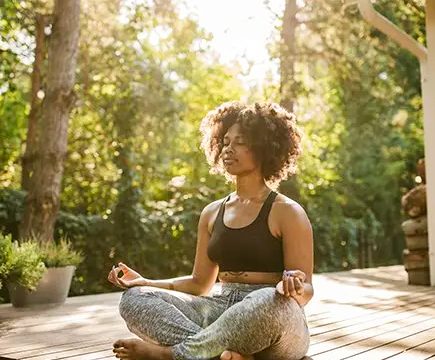
Flexibility is an essential component of overall health and fitness, yet it is often overlooked in home exercise routines.
Incorporating flexibility-focused exercises into your daily life enhances range of motion, reduces muscle stiffness, improves posture, and supports injury prevention.
One of the most attractive aspects of flexibility training is that it can be done easily at home, without specialized equipment or a large space. With consistent practice, even simple routines can yield noticeable improvements, making movement more comfortable and enjoyable throughout the day.
Starting a flexibility routine begins with understanding the areas of the body that require attention. Commonly tight regions include the hips, hamstrings, shoulders, and lower back. Stretching and mobility exercises targeting these areas can significantly improve comfort and movement efficiency. Identifying your personal areas of tightness or limitation allows you to tailor exercises to your needs, ensuring that your home routine is effective and purposeful.
Warm-up is a critical first step before engaging in any flexibility exercises. Gentle movements that increase blood flow to muscles, such as marching in place, arm circles, or light squats, prepare the body for stretching and reduce the risk of injury. A proper warm-up also enhances the effectiveness of flexibility exercises, allowing muscles to lengthen safely and comfortably. Spending just five minutes warming up can make a substantial difference in the quality of your routine.
Static stretching is one of the most common ways to improve flexibility at home. Holding stretches for 20 to 60 seconds allows muscles to relax and elongate gradually. Examples include seated forward bends for hamstrings, side stretches for obliques, and shoulder stretches across the chest. These stretches are simple to perform and can be integrated easily into a daily routine. Static stretching is particularly effective when performed after a workout, as warmed muscles respond more readily to lengthening.
Dynamic stretching is another effective method to enhance flexibility and mobility. Unlike static stretches, dynamic stretches involve controlled movements that take joints through their full range of motion. Leg swings, torso twists, and arm circles are examples of dynamic stretches that improve flexibility while also increasing circulation and preparing the body for activity. Dynamic stretching is ideal for morning routines or as part of a warm-up before exercise, helping muscles move more freely throughout the day.
Yoga is an excellent approach to develop flexibility at home. Many yoga poses focus on lengthening muscles, improving balance, and promoting joint mobility. Simple poses such as downward dog, cat-cow, and seated twists target multiple areas of the body and can be adapted to any fitness level. A short daily yoga routine not only enhances flexibility but also reduces stress, improves posture, and strengthens the mind-body connection, making it a holistic addition to your home exercise regimen.
Pilates is another effective method for improving flexibility. While often associated with core strength, Pilates exercises incorporate stretching and controlled movement that increase joint mobility and muscle length. Movements such as the spine stretch, leg circles, and side stretches emphasize precision and awareness, helping you develop greater control and range of motion. Incorporating Pilates into your home routine adds variety and complements other flexibility-focused exercises.
Incorporating mobility drills enhances joint function and supports flexibility gains. Exercises like hip openers, ankle circles, and shoulder rotations promote fluid movement and reduce stiffness. Mobility drills are particularly beneficial for individuals who spend long hours sitting or performing repetitive motions, as they counteract muscle tightness and improve overall movement efficiency. Consistently practicing mobility exercises ensures that your joints remain healthy, functional, and capable of supporting daily activities.
Consistency is essential for meaningful flexibility improvements. Even short, daily sessions yield better results than occasional long sessions. A ten to twenty-minute routine performed regularly can produce significant changes over time. By integrating flexibility exercises into your morning routine, post-workout cooldown, or evening wind-down, you make consistent practice achievable and maintainable. Consistency also helps form a habit, reinforcing the importance of flexibility as part of your overall health routine.
Breathing plays a crucial role in enhancing flexibility. Deep, controlled breaths during stretches help muscles relax and allow for greater lengthening. Coordinating breath with movement, as practiced in yoga and Pilates, increases body awareness and improves the effectiveness of each exercise. Paying attention to breathing also adds a calming element to your routine, reducing tension and promoting relaxation, which further supports flexibility gains.
Using props can make home flexibility exercises more accessible and effective. Items such as yoga blocks, straps, or cushions help you reach positions safely and maintain proper alignment. For example, a strap can assist in hamstring stretches, while a block can provide support in seated twists or balance poses. Props are not mandatory but can enhance comfort, extend range of motion, and reduce strain during exercises, making your routine more enjoyable and approachable.
Tracking progress encourages motivation and reinforces consistency. Noticing improvements in your range of motion, posture, or comfort in daily movements provides tangible evidence of success. Progress does not always occur linearly, and some stretches may take longer to feel comfortable. Keeping a journal or noting which exercises feel easier over time helps you appreciate gradual gains and stay committed to your flexibility routine.
Combining flexibility exercises with other forms of home workouts enhances overall fitness. Stretching after strength training or cardio improves recovery, reduces soreness, and maintains mobility. Incorporating flexibility into a balanced routine ensures that your body remains resilient, functional, and capable of performing various movements efficiently. This integration makes your home fitness program more comprehensive and sustainable over time.
Creating a positive environment can enhance enjoyment and adherence. Dedicating a quiet, uncluttered space for your exercises allows you to focus and engage fully. Adding calming music, natural light, or motivational visuals can make your routine more inviting and encourage regular practice. A welcoming environment reinforces the habit of flexibility training and supports a positive mindset toward your health goals.
Flexibility training also supports mental well-being. Stretching and mindful movement reduce tension, improve circulation, and release stress, providing both physical and emotional benefits. Practices like yoga and Pilates incorporate breath awareness and meditation, fostering relaxation and enhancing motivation to maintain a consistent routine. By prioritizing flexibility, you contribute not only to your body’s health but also to your overall sense of balance and calm.
In conclusion, easy home exercise routines focused on flexibility are accessible, effective, and enjoyable. Warm-ups, static and dynamic stretches, yoga, Pilates, and mobility drills can all be performed in the comfort of your home and tailored to your individual needs. Consistency, proper breathing, the use of props, and integration with other forms of exercise enhance results and make routines sustainable. Tracking progress and creating a positive environment further support motivation and adherence.
By dedicating time to flexibility exercises, you improve mobility, reduce discomfort, prevent injuries, and enhance your overall quality of life. Even short daily sessions can produce meaningful results over time, making movement easier, more comfortable, and more enjoyable. Prioritizing flexibility as part of your home exercise routine ensures that your body remains capable, resilient, and prepared for daily activities. With patience, consistency, and mindful practice, you can cultivate a flexible, strong, and healthy body that supports long-term well-being.