In today’s fast-paced world, finding time for exercise can feel like a challenge.
Yet, integrating home fitness practices into your daily life can create a sense of calm, balance, and stability.
Working out at home offers flexibility, privacy, and the ability to design routines that align with your personal rhythm. By approaching exercise with intention and mindfulness, you can cultivate a calm routine that supports both physical and mental well-being while fostering consistency and long-term health.
One of the key aspects of a calm home fitness routine is simplicity. Workouts do not need to be elaborate or high intensity to be effective. Gentle movements such as bodyweight exercises, stretching, and mobility drills allow the body to engage without feeling overwhelmed. Simple exercises like squats, lunges, planks, and glute bridges can be performed at a comfortable pace, gradually building strength while maintaining a sense of control. The simplicity of home fitness removes the pressure to perform at peak intensity, encouraging a relaxed and sustainable approach to exercise.
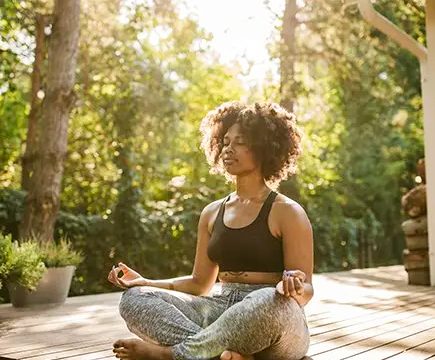
Mindfulness is central to creating a calm routine. Paying attention to breathing, posture, and the sensations in your body during each movement can transform ordinary exercises into a meditative practice. Mindful exercise enhances focus, reduces stress, and helps you feel more connected to your physical self. Practices such as yoga, Pilates, or gentle stretching sessions naturally integrate mindfulness, combining physical benefits with mental clarity. Even traditional strength exercises can become calming when approached with deliberate attention and steady, controlled movements.
Core strengthening exercises are essential for a balanced home routine. A strong core supports posture, stability, and functional movement, which in turn reduces tension and discomfort in daily life. Planks, bird-dogs, seated twists, and side planks can be incorporated into your home practice with an emphasis on slow, controlled engagement. Core exercises not only enhance strength but also contribute to a grounded, centered feeling, promoting both calm and confidence in your body’s abilities.
Flexibility and mobility practices contribute significantly to a sense of calm. Stretching major muscle groups, performing gentle yoga flows, or practicing dynamic mobility drills improve joint range of motion and reduce stiffness. Incorporating flexibility work into your daily routine helps the body move more freely and comfortably, reducing physical stress that can affect mood and energy. By prioritizing flexibility, you create a practice that feels restorative rather than taxing, supporting relaxation and well-being.
Breathwork can be seamlessly integrated into a home fitness routine to amplify calmness. Conscious breathing techniques, whether combined with yoga, stretching, or simple seated exercises, activate the parasympathetic nervous system and reduce tension. Slow, deep breaths during movements encourage mindfulness and enhance the overall calming effect of exercise. Breath-focused practices provide a mental anchor, allowing you to cultivate inner peace while improving physical performance.
Balance and stability exercises further enhance a calm routine. Movements such as standing on one leg, performing slow weight shifts, or incorporating controlled side steps engage stabilizing muscles and promote body awareness. These exercises strengthen the body while cultivating patience, focus, and a gentle attention to detail. The slow, deliberate nature of balance work makes it an ideal complement to other home fitness practices focused on calmness and sustainability.
Structuring your routine thoughtfully supports a sense of ease and reduces stress. Alternating between strength, mobility, core, and flexibility exercises ensures that the body is engaged in a balanced manner. Sessions can be shorter in duration but consistent in practice, creating a rhythm that becomes part of your daily life. Even ten to thirty minutes of mindful activity can be sufficient to build strength, improve mobility, and foster mental clarity when performed regularly. A consistent schedule allows the body and mind to anticipate movement, creating a comforting structure.
Incorporating low-intensity cardio can complement a calm routine without overwhelming the body or mind. Activities like gentle marching in place, step-ups, or light indoor dance sequences elevate heart rate modestly while maintaining a relaxed, enjoyable pace. These movements enhance circulation, boost energy, and support overall cardiovascular health, all while fitting naturally into a calm, home-based practice. The key is to focus on steady, controlled motion rather than high-intensity exertion.
Recovery and self-care are critical to a calm home fitness routine. Allowing time for rest, stretching, or gentle mobility work supports the body’s ability to adapt and prevents fatigue or overuse. Adequate sleep, hydration, and nutrition further enhance recovery and contribute to overall well-being. Viewing rest as an integral part of your routine, rather than a pause from productivity, reinforces a calm and sustainable approach to fitness.
Variety can be included without disrupting the calm nature of your practice. Rotating between different exercises or changing the order of movements keeps routines engaging and supports balanced development. Introducing new stretches, yoga poses, or light strength exercises adds interest while maintaining the meditative, mindful atmosphere of your home workouts. Variety ensures that your routine remains enjoyable, adaptable, and sustainable over time.
Functional movements should be emphasized to enhance practical strength and ease of daily life. Exercises that mimic everyday activities, such as lifting, bending, reaching, or stepping, develop strength that translates directly to real-world tasks. Functional training contributes to a sense of capability and confidence, which in turn supports a calmer and more controlled approach to movement in general. Feeling competent in daily activities reinforces the positive effects of your fitness practice on both mind and body.
Creating a serene environment further supports a calm home fitness routine. Natural light, comfortable clothing, and a tidy space can improve focus and mood. Incorporating plants, soothing music, or aromatherapy adds to the overall sense of tranquility. By curating an environment that promotes calm, your home workouts become not only a physical practice but also a restorative experience that nurtures mental well-being.
Tracking progress in a gentle, non-pressured way reinforces satisfaction without creating stress. Observing improvements in flexibility, balance, strength, or endurance encourages continued practice while emphasizing the journey rather than competition. Celebrating small milestones helps maintain motivation and appreciation for your body’s capabilities, contributing to an overall sense of calm and accomplishment.
In conclusion, home fitness practices can create a calm, balanced routine that supports physical strength, flexibility, and mental clarity. Simple exercises, mindful movement, core strengthening, flexibility, balance work, low-intensity cardio, and recovery all contribute to a holistic approach to wellness. By approaching home workouts with intention, patience, and consistency, you can develop a practice that strengthens the body while nurturing the mind.
Calm home fitness routines transform exercise from a source of stress into a rewarding, restorative part of daily life. By prioritizing simplicity, mindfulness, and recovery, you can enjoy a sustainable and beneficial routine that promotes overall well-being. Integrating strength, mobility, balance, and functional movements allows you to feel capable, energized, and centered, all within the comfort and convenience of your home.