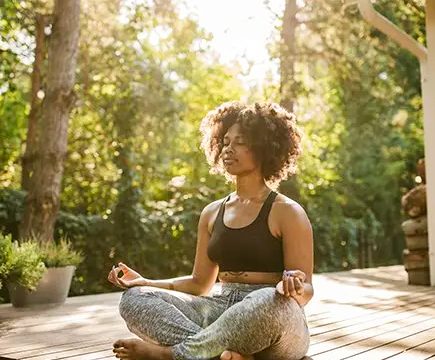
Everyday life is built on simple motions.
Standing up from a chair, reaching for a cup, walking across a room, or turning to look behind you are actions so familiar that they often go unnoticed.
Yet these basic movements play a powerful role in shaping comfort, independence, and overall well-being. Understanding simple motions and appreciating their value can lead to better living, not through extreme effort, but through mindful, consistent movement that supports the body in natural ways.
Simple motions are the foundation of mobility and functional strength. They involve coordinated movement between muscles, joints, and the nervous system, allowing the body to perform tasks efficiently. When these motions are smooth and controlled, daily activities feel easier and more enjoyable. When they become limited or uncomfortable, even small tasks can feel tiring or frustrating. Recognizing the importance of simple motions helps shift the focus from intense exercise to practical movement that supports everyday life.
One of the key benefits of simple motions is their accessibility. They do not require special equipment, advanced skills, or long workout sessions. Gentle actions such as bending, stretching, stepping, or rotating the arms can be practiced almost anywhere. Because these movements mirror real-life activities, they naturally prepare the body for daily demands. This makes them especially valuable for people of all ages and fitness levels, including those who prefer a gentle and sustainable approach to staying active.
Simple motions also support joint health. Joints are designed to move, and regular motion helps maintain their flexibility and comfort. When joints remain inactive for long periods, stiffness can develop, making movement feel restricted. Gentle, repeated motions encourage joints to move through their natural range, helping maintain lubrication and ease. Over time, this contributes to smoother movement and reduced discomfort during daily tasks such as walking, reaching, or turning.
Muscle engagement is another important aspect of simple motions. Even small movements activate muscles that support posture, balance, and stability. For example, standing up from a seated position engages the legs and core, while reaching overhead activates the shoulders and upper back. These everyday actions help maintain muscle strength and coordination when performed regularly and with awareness. Rather than focusing on isolated muscle training, simple motions strengthen the body in a way that directly supports real-life activities.
Balance and coordination are closely tied to simple motions. Walking, shifting weight, or turning the body all require the nervous system to communicate effectively with muscles and joints. Practicing these movements mindfully helps improve body awareness and stability. Better balance reduces the risk of falls and increases confidence in movement, especially in unfamiliar or changing environments. Over time, simple balance-related motions can make daily movement feel more secure and controlled.
Breathing naturally complements simple motions. When movement is gentle and unforced, breathing tends to remain steady and relaxed. This supports oxygen flow to muscles and helps regulate energy levels. Coordinating breath with movement can also promote relaxation and reduce tension. Simple motions performed with calm, steady breathing create a sense of rhythm that benefits both physical and mental well-being.
Another important value of simple motions is their role in reducing physical strain. Complex or overly intense movements can sometimes place stress on joints or muscles, especially if the body is not prepared. Simple motions allow the body to move within comfortable limits, encouraging gradual adaptation rather than sudden strain. This makes them suitable for long-term practice and reduces the likelihood of injury, supporting consistent movement over the years.
Mental and emotional well-being is also influenced by simple motions. Gentle movement can help clear the mind, reduce stress, and create a sense of calm. Activities such as slow walking, light stretching, or mindful reaching encourage presence and awareness. This connection between body and mind supports emotional balance and can make movement feel restorative rather than demanding. Simple motions often feel achievable and rewarding, which can boost motivation and confidence.
Consistency is one of the greatest strengths of simple motions. Because they are easy to perform and gentle on the body, they can be practiced daily. Small amounts of movement, repeated regularly, have a cumulative effect. Over time, this consistency supports flexibility, strength, and coordination without requiring dramatic effort. Simple motions demonstrate that meaningful improvement does not always come from intensity, but from regular, thoughtful practice.
Simple motions also play a preventive role in long-term health. Maintaining the ability to bend, reach, step, and turn comfortably helps preserve independence. These movements support daily activities such as dressing, cooking, cleaning, and social engagement. By keeping these motions familiar and comfortable, individuals reduce the likelihood of developing movement limitations that interfere with daily life. Prevention through simple motion is a practical and sustainable approach to better living.
Functional movement is at the heart of simple motions. Unlike exercises that focus on isolated muscles, functional movements reflect how the body actually moves throughout the day. Practicing actions like squatting slightly, reaching in different directions, or stepping sideways prepares the body for real-world demands. This connection between practice and daily life makes simple motions highly effective and meaningful. Improvements are often felt directly in everyday comfort and ease.
Environment can influence how easily simple motions are incorporated into daily life. Open spaces, clear walkways, and supportive seating encourage natural movement. Even small changes, such as standing up periodically, stretching while waiting, or taking a short walk, create opportunities for gentle motion. Designing daily routines to include movement breaks helps integrate simple motions naturally, without the feeling of a formal exercise session.
Rest and recovery are naturally supported by simple motions. Because these movements are low-impact, they can be used as active recovery after more demanding activities or on days when energy levels are lower. Gentle motion helps reduce stiffness, improve circulation, and maintain comfort without exhausting the body. This balance between activity and rest supports long-term consistency and enjoyment.
Simple motions can also be adapted to individual needs. Each person moves differently based on age, lifestyle, and physical condition. Adjusting range of motion, speed, or position allows simple movements to remain comfortable and effective. This adaptability makes simple motions inclusive and supportive, encouraging continued participation regardless of changes in ability over time.
Understanding simple motions encourages a shift in perspective. Movement does not have to be complicated or intense to be valuable. Everyday actions, when performed with awareness and consistency, contribute significantly to health and well-being. This understanding helps remove pressure and makes movement feel approachable and sustainable.
In conclusion, simple motions are powerful tools for better living. They support joint health, muscle strength, balance, coordination, and mental well-being through accessible, functional movement. By valuing and practicing simple motions regularly, individuals can enhance daily comfort, maintain independence, and enjoy a more active and confident lifestyle. Gentle, consistent movement reminds us that better living often begins with the simplest steps, repeated with care and awareness each day.