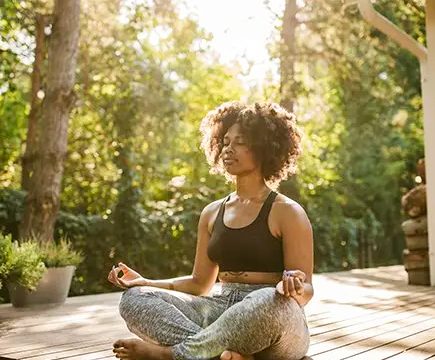
Patience is a quality many people wish they had more of, especially in a world that often values speed, instant results, and constant activity.
Mindful yoga offers a gentle and practical way to cultivate patience in everyday life.
Rather than pushing the body or rushing progress, mindful yoga invites a slower, more attentive approach that encourages understanding, acceptance, and steady growth over time.
Mindful yoga begins with awareness. From the moment a person steps onto the mat, attention is guided toward breathing, posture, and sensation. This focus on the present moment helps quiet mental chatter and reduce the urge to rush. As movements slow and breathing becomes more deliberate, the mind learns to settle. This calm presence creates space for patience to grow naturally, without effort or force.
One of the key ways mindful yoga encourages patience is by teaching respect for personal limits. Each body is different, and even the same body can feel different from one day to the next. Mindful yoga emphasizes listening rather than comparing or striving. When practitioners honor what feels appropriate in the moment, they practice patience with themselves. This self-respect reduces frustration and helps build a more compassionate inner dialogue.
Holding poses with awareness is another powerful lesson in patience. Many yoga postures require steady breathing and stillness, even when sensations become noticeable. Instead of immediately moving away from discomfort, mindful yoga encourages observing it with curiosity. This does not mean ignoring pain, but rather distinguishing between discomfort and harm. Learning to stay present with mild challenge builds tolerance and calm endurance, both essential elements of patience.
Breathing plays a central role in developing patience through yoga. Slow, steady breaths help regulate the nervous system and soften emotional reactions. When the breath remains calm, the mind often follows. This connection teaches that patience can be supported physically, not just mentally. Over time, people may find that they respond more calmly in stressful situations, drawing on the breathing patterns learned during practice.
Mindful yoga also helps shift focus away from outcomes. Instead of aiming to achieve a certain pose or level of flexibility, the practice centers on the experience itself. This shift reduces pressure and encourages acceptance of the process. By learning to appreciate where they are rather than where they think they should be, practitioners strengthen patience and reduce self-judgment.
Another important aspect of mindful yoga is repetition. Progress in yoga is often subtle and gradual. Poses may feel challenging for weeks or months before noticeable change occurs. This slow pace teaches trust in consistent effort. Showing up regularly without immediate results becomes an exercise in patience. Over time, this lesson can influence other areas of life, encouraging persistence without frustration.
Mindful yoga also fosters patience through rest and stillness. Poses that focus on relaxation and recovery remind practitioners that growth does not only happen through effort. Rest is an active part of progress. Learning to be still without feeling unproductive can be challenging, yet deeply rewarding. This practice helps reframe patience as a form of strength rather than inactivity.
Emotional awareness is another benefit of mindful yoga that supports patience. As people move and breathe with intention, emotions may surface. Instead of reacting immediately, mindful yoga encourages observing feelings as they arise and pass. This creates space between stimulus and response. With practice, this space becomes more familiar, making it easier to respond thoughtfully rather than impulsively in daily interactions.
Mindful yoga can also influence how people relate to time. In a typical day, time may feel rushed or limited. During yoga practice, attention shifts away from the clock and toward sensation and breath. This change in perspective helps slow the internal sense of time. Even a short practice can feel spacious and calming. Carrying this sense of spaciousness into daily life can support more patient decision-making and communication.
Another way mindful yoga encourages patience is by building trust in the body’s natural rhythm. Flexibility, strength, and balance develop at their own pace. Trying to force progress often leads to tension or disappointment. Mindful yoga teaches that gentle, consistent practice yields lasting results. This understanding can help people become more patient not only with their bodies, but also with goals, relationships, and personal growth.
Mindful yoga is also a practice of acceptance. Some days feel focused and energized, while others feel distracted or heavy. Learning to accept each experience without judgment reinforces patience. Instead of resisting or criticizing difficult days, practitioners learn to meet them with kindness. This acceptance reduces stress and supports emotional resilience.
Over time, the patience cultivated through mindful yoga extends beyond the mat. Everyday situations such as waiting in line, handling delays, or navigating conversations may feel less frustrating. The ability to pause, breathe, and respond calmly becomes more accessible. These small shifts can have a meaningful impact on overall well-being and relationships.
Mindful yoga also encourages patience through intention. Setting a gentle intention at the beginning of practice, such as moving with ease or staying present, helps guide attention throughout the session. Returning to this intention when distractions arise is a form of patient redirection. This skill can be applied to daily life, helping people refocus without self-criticism.
In essence, mindful yoga offers a supportive path toward greater patience. It does not demand perfection or rapid change. Instead, it invites steady awareness, self-compassion, and trust in the process. Through mindful movement, conscious breathing, and acceptance of the present moment, patience becomes a natural outcome rather than a forced goal.
Mindful yoga to encourage patience is a reminder that growth unfolds in its own time. By practicing presence and kindness on the mat, people can carry these qualities into their daily lives. Over time, this gentle practice helps cultivate a calmer, more patient way of engaging with the world, supporting both inner balance and meaningful connection.