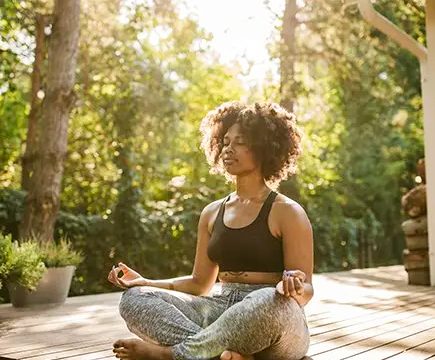
In today’s fast-paced world, flexibility is often viewed as something that can only be achieved through intense stretching or rigorous yoga routines.
However, Pilates offers a unique approach to flexibility, focusing not just on how far you can stretch, but on achieving a balanced, sustainable range of motion through thoughtful movement.
Pilates is designed to improve flexibility in a way that enhances your overall strength, posture, and body alignment, without overstretching or forcing your muscles beyond their limits.
Pilates is a low-impact exercise method that focuses on strengthening the core muscles while improving posture, balance, and flexibility. It was developed by Joseph Pilates in the early 20th century, and over time, it has gained recognition for its ability to create a well-rounded fitness experience. What sets Pilates apart from other flexibility-focused practices is its emphasis on controlled, precise movements, ensuring that your muscles are properly engaged throughout each exercise. This makes Pilates an ideal choice for those looking to improve their flexibility in a balanced and safe way.
At the heart of Pilates is the concept of core engagement. The core muscles, which include the abdominals, lower back, and pelvic muscles, play a crucial role in supporting the body’s movements. Pilates exercises are designed to strengthen these muscles, providing a stable foundation that allows for more fluid and controlled movement. A strong core not only supports better posture and balance, but it also allows for greater flexibility by preventing unnecessary strain on other muscle groups.
Pilates encourages dynamic flexibility, which means the ability to move freely and fluidly through your range of motion without forcing the body into positions it is not ready for. Unlike static stretching, where muscles are held in a stretched position for a period of time, Pilates uses controlled movements to lengthen the muscles through their natural range. This approach allows for a deeper stretch without putting too much pressure on the muscles, which can lead to injury if overstretched. By focusing on fluid, controlled motion, Pilates helps the body achieve a balance of strength and flexibility that supports better movement patterns in everyday life.
One of the key principles of Pilates is alignment. Proper alignment is essential for maintaining balance and preventing injury during exercise. When the body is properly aligned, it allows for the most efficient use of muscles and helps distribute the forces of movement evenly throughout the body. This is especially important for flexibility, as misalignment can lead to strain or overuse of certain muscles while other muscles are neglected. Pilates exercises are designed to encourage alignment by promoting proper posture and body awareness throughout each movement. By training the body to move with better alignment, Pilates helps to ensure that flexibility is developed in a balanced, functional way.
Breathing also plays a vital role in Pilates practice. Pilates emphasizes the importance of coordinating breath with movement, which helps to enhance the effectiveness of each exercise. When you breathe properly, you increase oxygen flow to the muscles, allowing them to relax and stretch more effectively. This focus on breath not only supports flexibility but also encourages a deeper sense of mind-body connection. By breathing deeply and consciously throughout each movement, you allow your body to let go of tension and increase the capacity for fluid, balanced flexibility.
One of the advantages of Pilates in promoting balanced flexibility is its adaptability. Pilates can be tailored to suit any fitness level or flexibility range. Whether you’re new to exercise or an experienced athlete, Pilates exercises can be modified to meet your needs. Beginners can focus on building strength and stability, while more advanced practitioners can work on achieving greater flexibility by deepening their stretches and using more complex movements. The progressive nature of Pilates allows you to gradually increase your flexibility over time without pushing your body too hard, which can often lead to injury or muscle imbalances.
Mindful movement is another key aspect of Pilates that contributes to balanced flexibility. Pilates encourages you to be present in each moment of your practice, focusing on how your body feels and moves rather than simply completing a series of exercises. This mindfulness not only helps improve your body awareness but also ensures that you’re moving within your own comfortable range of motion. By listening to your body and adjusting your movements accordingly, Pilates allows you to develop flexibility in a way that feels both safe and sustainable.
Pilates exercises that focus on stretching and flexibility often use props such as resistance bands, Pilates rings, or a reformer machine to assist in lengthening the muscles. These props provide support and allow for a deeper stretch while maintaining proper alignment. For example, the Pilates reformer uses a system of springs and pulleys to create resistance, which can help deepen stretches and increase flexibility in a controlled manner. Using props not only makes the exercises more accessible but also helps prevent overstretching by providing the necessary support to guide your body through each movement.
A unique aspect of Pilates is that it works on strength and flexibility simultaneously. This dual focus helps prevent muscle imbalances that often arise from only focusing on one or the other. For example, if you only focus on stretching, your muscles may become long and flexible but lack the strength to support the joints effectively. Conversely, focusing solely on strength without developing flexibility can lead to stiffness and restricted movement. Pilates addresses both aspects by encouraging strength-building exercises that also promote flexibility. By developing both strength and flexibility in tandem, Pilates helps to create a balanced, functional body that can move freely and efficiently.
Stretching with control is another essential principle in Pilates that helps to ensure balanced flexibility. Pilates emphasizes controlled movements, even during stretching exercises. This means that instead of relying on momentum or force to stretch the muscles, you move slowly and deliberately, paying attention to how your body feels throughout the stretch. By stretching with control, you not only reduce the risk of injury but also ensure that your muscles are lengthening in a way that supports balanced flexibility.
While Pilates is often associated with flexibility, it is important to remember that flexibility is just one part of the equation. Pilates also promotes joint stability, muscle endurance, and overall body awareness. These elements work together to support the body in achieving balanced flexibility. For instance, a stable and strong core provides the foundation needed to stretch and lengthen the muscles without risking injury. Pilates helps you develop a body that is both flexible and strong, which is essential for maintaining overall health and movement efficiency.
As you continue with your Pilates practice, you may begin to notice improvements in your range of motion and the ease of your movements. The gradual, steady approach to flexibility ensures that you’re developing a body that can move freely and comfortably, whether you’re reaching for something on a high shelf, bending down to tie your shoes, or participating in other physical activities. The ability to move with greater ease and flexibility not only enhances your quality of life but also supports injury prevention by allowing your muscles and joints to function optimally.
In conclusion, Pilates is a fantastic way to encourage balanced flexibility. By focusing on core engagement, alignment, controlled movement, and mindful breathing, Pilates helps improve flexibility in a safe, sustainable way. The combination of strength and flexibility in Pilates ensures that the body remains well-balanced and capable of performing a wide range of movements. Whether you’re new to Pilates or an experienced practitioner, this method offers a balanced, holistic approach to flexibility that supports overall health, well-being, and body awareness.