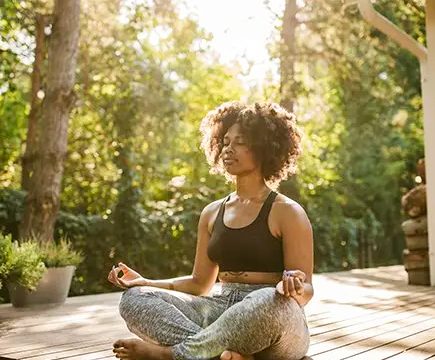
Practicing yoga at home offers a unique opportunity to focus on personal well-being in a space that feels safe, comfortable, and private.
Home yoga allows individuals to tailor their practice to their own pace, preferences, and energy levels, creating an environment that encourages relaxation, mindfulness, and gradual progress.
By embracing a home yoga session, participants can cultivate comfort and ease while developing strength, flexibility, and a positive connection with the body and mind.
One of the most significant benefits of home yoga is the ability to create a space that feels inviting and supportive. A quiet corner, a soft mat, and a few simple props such as blankets or cushions can transform any room into a comfortable yoga environment. Being in a familiar space allows participants to move without distraction or pressure, encouraging focus on posture, breath, and alignment. Personalizing the environment with natural light, gentle music, or subtle scents can enhance the experience and foster a sense of calm and well-being.
Starting a home yoga session with gentle stretches and warm-ups helps the body prepare for more intentional movement. Simple spinal twists, shoulder rolls, and neck stretches awaken the muscles and joints, improving circulation and reducing stiffness. These movements are particularly beneficial for individuals who spend long hours sitting or performing repetitive tasks. By beginning slowly, practitioners can ease tension, increase mobility, and create a strong foundation for the remainder of the session, all while moving at a pace that feels natural and comfortable.
Breath awareness is an essential element of home yoga that promotes ease and focus. Conscious, deep breathing supports relaxation, reduces stress, and encourages mindfulness. Coordinating breath with movement, such as inhaling during upward stretches and exhaling during folds, enhances the sense of flow and presence. Paying attention to breath also helps regulate energy levels, allowing participants to maintain comfort throughout the session and preventing unnecessary strain or fatigue. Mindful breathing serves as a bridge between physical movement and mental clarity, fostering a holistic sense of well-being.
Home yoga offers the freedom to choose movements that suit personal needs and preferences. Gentle poses like cat-cow stretches, seated forward folds, and supported bridges provide both relaxation and strength-building benefits. Modifying poses to suit flexibility, mobility, or energy levels ensures that the practice remains accessible and enjoyable. This adaptability allows participants to listen to their bodies and progress at a pace that feels right, fostering confidence and comfort in the practice.
Including sequences that focus on spinal health enhances both comfort and overall physical well-being. Gentle backbends, twists, and elongating stretches improve flexibility, reduce tension, and support proper posture. These movements strengthen muscles that stabilize the spine, helping prevent discomfort and promoting long-term health. Practicing these stretches mindfully at home allows for gradual improvement while ensuring that the body moves safely and with ease.
Core engagement is another valuable aspect of home yoga that contributes to comfort and stability. Strengthening abdominal and back muscles supports balance, posture, and functional movement throughout the day. Simple exercises such as gentle planks, modified boat poses, or abdominal contractions can be incorporated into a home session without feeling overwhelming. Engaging the core while maintaining a relaxed approach encourages both strength and ease, ensuring that movements are effective yet gentle on the body.
Flexibility and range of motion are naturally enhanced through regular home yoga practice. Slowly and consistently moving through stretches allows muscles to lengthen, joints to become more mobile, and overall movement to feel freer. Home yoga encourages experimentation with different poses and sequences, allowing participants to discover what feels best for their bodies. Over time, increased flexibility contributes to greater comfort in daily activities, reduced tension, and improved posture.
Mindfulness is a cornerstone of home yoga that supports both mental and emotional comfort. Paying attention to the sensations of the body, the rhythm of the breath, and the flow of movement encourages presence and awareness. Mindful practice reduces stress, fosters relaxation, and promotes a positive relationship with the body. Incorporating brief moments of reflection or setting a simple intention for the session adds an additional layer of calm and focus, enhancing the overall sense of ease and satisfaction.
Consistency in home yoga practice enhances comfort and well-being. Even brief sessions, ranging from ten to twenty minutes, can provide meaningful benefits when practiced regularly. Establishing a routine, whether in the morning to awaken the body or in the evening to release tension, reinforces a sense of rhythm and reliability. Regular practice supports gradual improvements in strength, flexibility, balance, and mindfulness, creating lasting benefits that extend beyond the yoga mat into daily life.
Props and modifications can enhance comfort during a home yoga session. Blankets, cushions, or yoga blocks provide support for seated or reclining poses, reducing strain on joints and muscles. Using props encourages proper alignment, improves accessibility, and allows for longer periods of relaxation in restorative poses. Modifying movements to suit individual needs ensures that the session remains comfortable and safe, fostering confidence and enjoyment.
Home yoga also encourages a gentle, intuitive approach to exercise. Unlike structured classes with strict timing or pacing, practicing at home allows participants to listen to their bodies, adjust intensity, and take breaks as needed. This freedom reduces pressure and creates a supportive environment where comfort is prioritized. Developing intuition about body awareness and movement fosters a deeper connection with oneself and promotes long-term adherence to a regular yoga practice.
Incorporating relaxation and cool-down periods is essential for comfort and recovery. Ending the session with gentle stretches, breathing exercises, or a brief restorative pose allows the body to absorb the benefits of the practice. These final moments support muscle recovery, reduce stress, and encourage a sense of calm before transitioning to daily activities. Cool-down practices contribute to a complete and satisfying yoga experience, reinforcing the overall sense of ease and well-being.
The mental benefits of home yoga complement its physical advantages. Engaging in mindful movement and breath-focused stretches reduces anxiety, promotes emotional balance, and fosters a sense of accomplishment. Taking time for oneself in a familiar and comfortable setting supports self-care, confidence, and resilience. The combination of physical relaxation and mental clarity allows participants to approach the day with greater focus, positivity, and composure.
Variety in home yoga sessions keeps the practice engaging and enjoyable. Alternating between gentle stretches, core exercises, restorative poses, and flowing sequences prevents monotony and ensures that different areas of the body are addressed. Exploring new poses or sequences provides opportunities for growth and encourages continued motivation. This diversity supports overall comfort by maintaining interest and promoting balanced development of strength, flexibility, and mindfulness.
Home yoga is a versatile and sustainable practice that can be adapted to fit individual schedules, preferences, and needs. Its emphasis on comfort, ease, and mindfulness makes it an ideal way to cultivate both physical and mental well-being. By practicing regularly, incorporating gentle stretches, mindful breathing, and restorative movements, participants can enjoy the benefits of yoga without leaving the comfort of their home.
In conclusion, a home yoga session focused on comfort and ease provides a nurturing environment for body and mind. Gentle stretches, mindful breath, core engagement, and restorative poses support flexibility, strength, spinal health, and emotional balance. Personalized modifications, props, and a calm environment enhance safety and accessibility, ensuring that the practice remains enjoyable and sustainable. Regular home yoga fosters a positive connection with the body, encourages mindful living, and cultivates a sense of calm and relaxation that extends beyond the session. By embracing home yoga, individuals can create a space where comfort, ease, and well-being are prioritized, establishing a practice that refreshes, supports, and inspires every day.