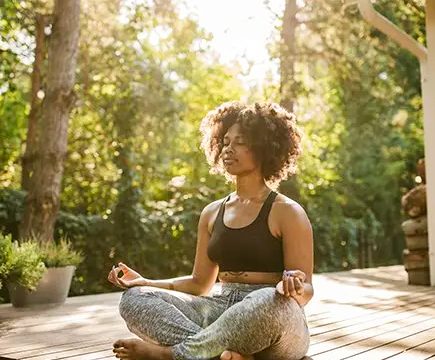
Pilates is a low-impact form of exercise that focuses on strengthening the body through controlled movements.
It was developed by Joseph Pilates in the early 20th century and has since become a popular method of exercise for people of all fitness levels.
One of the key benefits of Pilates is its ability to gently strengthen the entire body while promoting flexibility, balance, and overall well-being. Whether you’re new to exercise or an experienced athlete, Pilates offers a unique approach to building strength and improving body awareness.
At the heart of Pilates is the focus on core strength. While many people associate the core with the muscles of the abdomen, Pilates takes a more holistic view, incorporating muscles throughout the torso, including the back and hips. These core muscles are essential for stabilizing the spine, supporting posture, and enabling efficient movement in everyday activities. Pilates exercises are designed to engage these muscles in a way that is both gentle and effective, making it an ideal practice for people who want to build strength without placing undue stress on the joints or muscles.
One of the key principles of Pilates is “control.” Unlike some forms of exercise that emphasize speed or intensity, Pilates movements are slow, deliberate, and controlled. This focus on control helps to ensure that each movement is executed with proper form and alignment, reducing the risk of injury while providing an effective workout. Pilates encourages mindful movement, where you focus on how your body feels during each exercise and pay attention to your breath. This awareness helps to create a deeper connection between the mind and body, which can lead to improved body awareness and more efficient movement patterns.
Pilates exercises are also designed to target multiple muscle groups simultaneously. This means that rather than isolating individual muscles, Pilates encourages the body to work as a whole. This full-body approach helps to create balanced strength, promoting stability and coordination. Whether you’re working on strengthening your legs, arms, or core, Pilates exercises engage the entire body, ensuring that no muscle is left behind.
One of the unique aspects of Pilates is its emphasis on alignment. Proper alignment is crucial for maximizing the effectiveness of each exercise and for preventing injury. Pilates teaches you to align your spine, pelvis, and joints in a way that supports optimal movement patterns. This focus on alignment not only helps to strengthen the body but also promotes good posture and reduces the risk of musculoskeletal imbalances that can lead to discomfort or injury.
A common misconception about Pilates is that it only benefits those who want to improve flexibility or core strength. While it is true that Pilates can enhance flexibility and core strength, it is equally effective for building strength throughout the entire body. Many Pilates exercises engage the arms, legs, and glutes, making it a comprehensive workout that targets all the major muscle groups. For example, exercises like the “Plank” and “Push-Up” work the chest, shoulders, arms, and core simultaneously, while exercises like “Leg Circles” and “Bridges” focus on strengthening the lower body.
Pilates is also highly adaptable, which makes it suitable for people of all fitness levels. Whether you’re a beginner or an experienced athlete, Pilates exercises can be modified to suit your needs. For those who are new to Pilates or have limited mobility, exercises can be done with modifications that reduce the intensity. Conversely, more advanced practitioners can challenge themselves by increasing the difficulty of exercises or adding resistance using equipment such as the reformer or resistance bands. This versatility makes Pilates an excellent choice for people looking to gently strengthen their entire body, regardless of their starting point.
Another benefit of Pilates is its ability to improve balance and coordination. Many Pilates exercises require you to stabilize your body while moving other parts, which challenges your balance and enhances coordination. For example, exercises like the “Single-Leg Stretch” and “Teaser” require you to maintain stability while your limbs move through space. This improves your ability to control your body in various positions and promotes functional strength that can be applied to everyday activities. Improved balance and coordination also reduce the risk of falls and injuries, particularly as we age.
Pilates also emphasizes the importance of breathing. In Pilates, breath is used to facilitate movement and enhance body awareness. The breathing technique in Pilates is called “lateral breathing,” which involves inhaling deeply through the nose and exhaling through the mouth while engaging the core muscles. This breathing pattern helps to increase oxygen flow to the muscles, allowing for better endurance during exercise. It also encourages relaxation, which can help reduce stress and promote a sense of calm. The connection between breath and movement is an essential aspect of Pilates that sets it apart from other forms of exercise.
A key benefit of Pilates is that it can be done anywhere, without the need for expensive equipment or a gym membership. Many Pilates exercises can be performed on a mat, making it a convenient option for people who prefer to exercise at home. The simplicity of Pilates equipment—such as mats, resistance bands, and small props—means that it is accessible and affordable. For those who want to take their practice to the next level, Pilates studios offer specialized equipment like the reformer, which uses springs and pulleys to provide resistance and add variety to the workout.
Pilates also offers mental benefits. As Pilates encourages mindfulness and body awareness, it can have a calming effect on the mind. The focus on controlled breathing, alignment, and movement helps to reduce stress and promote relaxation. This makes Pilates not only a great way to strengthen the body but also an effective tool for improving mental clarity and focus. Many people find that after a Pilates session, they feel both physically stronger and mentally refreshed, with a greater sense of calm and relaxation.
For individuals with specific fitness goals, Pilates can be a useful addition to any routine. Whether you’re looking to build strength, improve posture, enhance flexibility, or increase mobility, Pilates can complement other forms of exercise, such as running, weightlifting, or yoga. Pilates can also help prevent injury by addressing imbalances in the body and promoting proper alignment. Athletes often use Pilates as a cross-training tool to improve their performance and reduce the risk of overuse injuries.
In conclusion, Pilates offers a gentle yet effective way to strengthen the entire body. Its focus on controlled movement, alignment, and breath helps to promote both physical strength and mental clarity. By engaging multiple muscle groups at once, Pilates creates balanced strength, enhances flexibility, and improves posture. The adaptability of Pilates makes it suitable for people of all fitness levels, from beginners to advanced practitioners. Whether you’re looking to build strength, improve balance, or increase body awareness, Pilates provides a comprehensive workout that can be tailored to your needs. By incorporating Pilates into your fitness routine, you can experience the benefits of a stronger, more balanced body and a calmer, more focused mind.