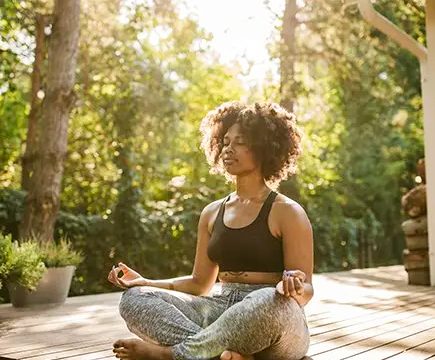
In the modern fitness world, where high-intensity workouts often take center stage, Pilates offers a refreshing and mindful approach to building strength.
Pilates is a low-impact exercise method that focuses not only on physical strength but also on mental awareness, providing a holistic workout for the body and mind.
Its emphasis on controlled movements, proper alignment, and mindful breathing makes it an ideal practice for those seeking to develop strength in a balanced, sustainable way. Unlike traditional strength training that may prioritize lifting heavy weights or performing high-repetition exercises, Pilates encourages a more mindful approach to building strength from the inside out.
At the heart of Pilates lies the concept of core strength. The core muscles—comprising the abdominals, lower back, hips, and pelvis—are essential for maintaining stability and supporting the body during all movements. These muscles are the foundation for virtually every exercise in Pilates. When the core is engaged, it provides the necessary support for the rest of the body to move efficiently. Pilates exercises often target the core to build deep, functional strength that supports not just athletic performance but also everyday activities such as standing, sitting, lifting, and walking. This emphasis on core strength is crucial for creating a strong, resilient body.
Pilates encourages mind-body connection, helping practitioners become more attuned to their bodies as they move. Unlike traditional strength training, where the focus may be on simply lifting a heavier weight, Pilates promotes awareness of how the body feels during each movement. By focusing on precision and control, Pilates allows you to move with intention and mindfulness, ensuring that you are fully engaged in every exercise. This mental focus not only enhances the effectiveness of the workout but also helps improve body awareness, posture, and alignment. As you become more mindful of your movements, you build strength in a way that is both sustainable and injury-free.
One of the key principles of Pilates is controlled movement. Each Pilates exercise is designed to be slow, deliberate, and methodical, requiring full engagement of the muscles. The controlled pace of Pilates movements ensures that the muscles are activated and strengthened throughout the entire range of motion. Whether you are performing an exercise on a mat or using equipment such as a reformer or a Cadillac, the focus remains on precise, intentional movement rather than speed or intensity. This controlled approach allows for greater muscle activation and helps develop strength in a balanced, thoughtful manner.
Breathing plays a vital role in Pilates and is directly linked to the practice of mindful strength building. In Pilates, breath is coordinated with movement, creating a rhythm that enhances the flow of each exercise. By consciously inhaling and exhaling during the exercises, you not only oxygenate your muscles but also create a sense of calm and focus. This mindful breathing allows you to deepen your connection to your body, improving your ability to engage the muscles fully and effectively. The breath helps you maintain control and stability during movements, which is especially important when building strength in a safe and mindful way.
Pilates also promotes postural alignment, which is crucial for building strength that is functional and sustainable. Proper alignment ensures that the body moves efficiently, with minimal strain on the muscles and joints. In Pilates, each exercise is performed with an emphasis on correct alignment, whether you are lying on your back, standing, or seated. By aligning the spine and pelvis correctly, you create a stable foundation for all movements. This not only helps to prevent injury but also allows for more effective strengthening, as muscles are engaged in the proper way. The focus on alignment ensures that the strength you develop in Pilates is rooted in good posture, which carries over into daily activities and enhances overall movement efficiency.
One of the unique aspects of Pilates is its ability to build functional strength. Functional strength refers to the ability to perform everyday tasks with ease and efficiency. Pilates exercises are often based on natural movement patterns, such as bending, twisting, reaching, and lifting, which are all part of daily life. By strengthening the muscles used in these everyday movements, Pilates helps improve your overall functionality. Whether you are carrying groceries, picking up a child, or simply sitting at your desk, the strength developed through Pilates supports these activities. Unlike some traditional strength training methods that isolate specific muscles, Pilates focuses on building strength in a way that enhances your overall ability to move through life with ease and grace.
Pilates can be especially beneficial for those recovering from injuries or dealing with chronic pain. Because Pilates is low-impact and emphasizes controlled movement, it is gentle on the joints and allows individuals to rebuild strength gradually and safely. The focus on alignment, posture, and breathing also helps reduce the risk of injury by promoting proper body mechanics. For those with chronic pain, such as back or neck pain, Pilates can be an effective way to build strength and improve posture without exacerbating discomfort. The mindful nature of Pilates ensures that individuals can strengthen their bodies without pushing them beyond their limits.
In addition to physical strength, Pilates also helps to build mental strength. The mindfulness and concentration required in each Pilates movement help foster a sense of mental clarity and focus. By concentrating on each movement and breath, you develop a stronger connection between your mind and body. This mindfulness can translate into other areas of your life, helping you become more focused and present in your daily activities. The discipline cultivated through Pilates practice is not just physical but mental as well, helping you to approach challenges with a calm and focused mindset.
Another significant benefit of Pilates is its adaptability. Pilates can be modified to suit a wide range of fitness levels, from beginners to advanced practitioners. For those new to exercise or those recovering from an injury, Pilates offers a gentle way to build strength without overexerting the body. For more experienced practitioners, Pilates provides opportunities to challenge the muscles further by incorporating more complex movements or adding resistance through equipment. This adaptability makes Pilates an ideal practice for people of all fitness levels, allowing each individual to progress at their own pace while still benefiting from the mindful approach to strength.
Pilates equipment such as the reformer, Cadillac, and stability ball can be used to enhance strength-building exercises. These tools provide resistance, which helps to increase the intensity of the workout and challenge the muscles in new ways. However, Pilates can also be practiced without equipment, using just a mat and the body’s own weight for resistance. Regardless of whether you use equipment or not, the focus remains on mindful movement, proper alignment, and controlled breathing, ensuring that strength is built gradually and sustainably.
In conclusion, Pilates offers a mindful approach to strength that is both effective and sustainable. By emphasizing controlled movement, breath, alignment, and body awareness, Pilates helps build functional strength that supports everyday activities. It encourages a deeper connection between the mind and body, fostering mental clarity and focus while developing physical resilience. Whether you are new to exercise or a seasoned fitness enthusiast, Pilates provides a balanced and mindful approach to strength-building that promotes long-term health and well-being. The mindful discipline cultivated in Pilates can enhance not only your physical strength but your overall sense of well-being, creating a strong and resilient body and mind.