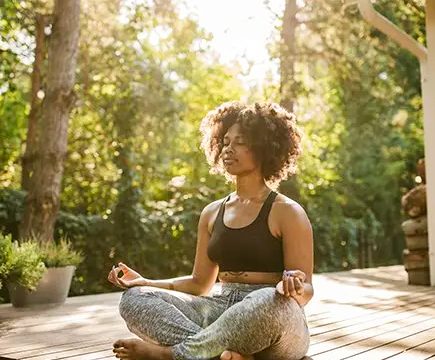
After a long day of physical activity or extended periods of sitting and movement, muscles often feel tight, fatigued, or sore.
Rejuvenating yoga offers a gentle and effective way to release tension, restore energy, and support overall muscle health.
Unlike intense workouts that push muscles to the limit, restorative yoga focuses on mindful movement, deep stretching, and controlled breathing, providing both physical and mental relief. By incorporating these practices into a regular routine, individuals can promote recovery, prevent injury, and experience a renewed sense of vitality.
The foundation of rejuvenating yoga lies in mindful awareness. Each movement and stretch is performed with attention to how the body feels, which muscles are engaged, and how breath flows through the body. This focus encourages relaxation and helps identify areas of tension that may require additional care. By connecting with the body in this way, practitioners can relieve stiffness more effectively and prevent overexertion, supporting a balanced approach to muscle recovery.
Breath awareness is a central element in yoga for tired muscles. Deep, steady breathing helps deliver oxygen to fatigued muscles, enhances circulation, and promotes relaxation. Coordinating breath with movement also creates a rhythm that encourages smooth transitions between poses, reducing unnecessary strain and tension. Conscious inhalation and exhalation act as a natural stress reliever, soothing both the body and mind while enhancing the effectiveness of each stretch.
Gentle stretching poses play a significant role in rejuvenating yoga. Forward folds, for instance, release tension in the lower back, hamstrings, and calves, areas commonly affected by fatigue. By folding the torso over the legs with soft, controlled movement, muscles are lengthened and circulation is improved. Holding the posture for several breaths allows tissues to release gradually, creating a sense of lightness and ease. Regular practice of forward folds can help prevent tightness and maintain flexibility in the lower body.
Hip-opening poses are particularly beneficial for tired muscles. Poses such as Pigeon Pose or Butterfly Pose stretch the hips, groin, and lower back, which are areas that often carry tension from prolonged sitting or strenuous activity. Gentle hip stretches enhance mobility, support proper alignment, and reduce discomfort in surrounding muscles. By approaching these poses with mindfulness and slow breathing, the body gradually releases stored tension, creating a sense of relaxation and freedom of movement.
Upper body tension, especially in the shoulders, neck, and back, can be alleviated with restorative yoga movements. Poses such as Thread-the-Needle or Eagle Arms encourage gentle stretching of the shoulders and upper back, relieving tightness and promoting flexibility. These movements improve circulation and release pressure that accumulates from repetitive motions or stress. Practicing upper body stretches regularly supports posture and reduces discomfort that may interfere with daily activities.
Rejuvenating yoga often incorporates supported postures using props like cushions, blocks, or straps. These tools allow the body to rest fully in each pose while still achieving an effective stretch. For example, lying back on a bolster during a supported Bridge Pose can release tension in the spine and hips without placing strain on fatigued muscles. The use of props encourages relaxation and ensures that even tired or sore muscles are cared for gently and safely.
Restorative sequences often include slow, flowing movements that release muscle stiffness. Cat-Cow stretches, for instance, promote spinal mobility while gently activating the muscles of the back, shoulders, and core. By moving with breath and awareness, practitioners can relieve stiffness, improve circulation, and restore comfort in the muscles. Slow transitions between poses support recovery and prevent overstretching, making yoga both effective and accessible for individuals of varying fitness levels.
In addition to stretching, yoga for tired muscles emphasizes relaxation and stillness. Poses such as Child’s Pose or Legs-Up-The-Wall allow muscles to release tension passively while encouraging the nervous system to relax. These moments of stillness support recovery by reducing stress, lowering heart rate, and promoting a sense of calm. Incorporating restorative postures into a practice ensures that muscles are not only stretched but also given time to recover fully.
Mindfulness during yoga enhances the rejuvenating effect on muscles. Paying attention to sensations, noticing areas of tightness, and adjusting positions accordingly fosters a deeper connection with the body. This awareness helps prevent overexertion while allowing practitioners to target muscle groups that need the most care. Mindful practice also supports mental clarity, providing a sense of relaxation and emotional balance alongside physical recovery.
Consistency is essential for maximizing the benefits of rejuvenating yoga. Practicing regularly, even for short sessions of ten to twenty minutes, helps maintain muscle flexibility, reduce tension, and support recovery after strenuous activity. Over time, consistent practice strengthens the mind-body connection, making it easier to detect and address areas of fatigue before they develop into discomfort or injury. Establishing a routine ensures that muscles are cared for proactively rather than reactively.
Breathing exercises, or pranayama, complement restorative yoga for tired muscles. Techniques such as deep diaphragmatic breathing or alternate nostril breathing calm the nervous system, reduce stress, and improve oxygen flow to fatigued tissues. Integrating breath work into a yoga session enhances the overall sense of rejuvenation, making muscles feel lighter and more energized. Focused breathing also encourages mindfulness, supporting relaxation and emotional wellbeing.
Environmental factors play a role in creating a rejuvenating yoga experience. Practicing in a quiet, comfortable space with minimal distractions allows the body and mind to fully relax. Soft lighting, natural surroundings, or calming background music can enhance the sense of tranquility and promote deeper relaxation in the muscles. A welcoming environment encourages regular practice and supports the restorative benefits of yoga.
Hydration and nutrition also support muscle recovery during and after yoga practice. Drinking water helps maintain muscle elasticity and joint lubrication, while a balanced diet provides the nutrients needed for repair and energy restoration. Adequate hydration and nutrition ensure that yoga practice complements overall muscle health, allowing for more effective recovery and sustained physical wellbeing.
Flexibility in practice allows yoga to meet individual needs. On days when muscles are particularly fatigued, shorter sessions or gentler poses may be more appropriate, while more energetic days can accommodate slightly longer flows or deeper stretches. This adaptability ensures that yoga remains a supportive tool rather than a source of strain, helping participants nurture their bodies while respecting current physical condition.
In conclusion, rejuvenating yoga offers a gentle, mindful approach to relieving tired muscles, promoting flexibility, and supporting overall physical and mental wellbeing. By integrating breath awareness, gentle stretches, restorative postures, and mindful transitions, practitioners can release tension, enhance circulation, and restore energy. Consistent practice nurtures muscle recovery, prevents stiffness, and fosters a lasting connection between the body and mind. Creating a comfortable environment, practicing mindfully, and listening to the body ensures that yoga remains an accessible and effective tool for rejuvenating tired muscles. Through regular engagement, individuals can experience improved comfort, mobility, and a renewed sense of vitality, making yoga an essential part of a holistic approach to muscle health and overall wellbeing.