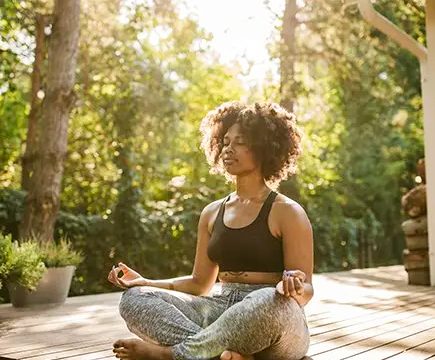
Slow Flow Yoga for steady progress is a thoughtful approach to movement that emphasizes patience, awareness, and consistency.
In a world that often values speed and instant results, slow flow yoga offers a refreshing alternative.
It encourages moving at a comfortable pace, allowing the body and mind to fully experience each posture and transition. This style of yoga is not about rushing or pushing limits, but about building strength, flexibility, and balance gradually and sustainably.
One of the defining qualities of slow flow yoga is its intentional pace. Movements are linked together smoothly, but with enough time to feel grounded in each pose. This slower rhythm allows practitioners to notice alignment, breath, and subtle sensations that may be overlooked in faster practices. By giving attention to these details, the body learns how to move more efficiently and safely over time.
Steady progress in yoga often comes from consistency rather than intensity, and slow flow supports this principle beautifully. Because the practice feels approachable and manageable, it is easier to return to regularly. Each session builds upon the last, creating gradual improvements that feel natural and lasting. This steady approach can help reduce frustration and support a positive relationship with movement.
Breath awareness is central to slow flow yoga and plays a key role in steady progress. Coordinating breath with movement helps regulate pace and maintain focus. Slow, even breathing supports relaxation while also enhancing stability and control. Over time, this breath awareness can carry into daily life, encouraging calmer responses to stress and increased presence throughout the day.
Slow flow yoga also supports strength development in a balanced way. Holding poses slightly longer allows muscles to engage without strain. This gentle challenge builds endurance and stability, especially in areas that support posture and balance. Instead of targeting isolated muscles, slow flow yoga encourages the whole body to work together, promoting functional strength that supports everyday movement.
Flexibility develops naturally through slow flow yoga as well. Moving slowly into and out of poses allows muscles to lengthen gradually. This approach respects the body’s current range of motion and reduces the urge to force or overstretch. Over time, this mindful stretching can lead to greater ease and comfort in both yoga practice and daily activities.
Another important aspect of slow flow yoga is its impact on mental focus. Slowing down creates space for awareness and reflection. The practice becomes an opportunity to step away from distractions and reconnect with the present moment. This focused attention can help quiet the mind and foster a sense of calm that extends beyond the mat.
Slow flow yoga for steady progress is especially supportive for those who appreciate structure without pressure. The predictable pace allows practitioners to feel confident and supported as they move. Knowing that there is time to adjust and breathe can make the practice feel welcoming rather than demanding. This sense of safety encourages exploration and growth at a comfortable pace.
Listening to the body is a key principle in slow flow yoga. Each day may feel different, and the practice adapts to these changes. Some sessions may feel energizing, while others feel deeply restorative. Honoring these variations helps build trust in the body’s signals and supports long-term well-being.
The steady nature of slow flow yoga also makes it an excellent complement to other forms of movement. It can help balance more dynamic activities by encouraging recovery and awareness. This balanced approach supports overall physical health and reduces the risk of overuse or burnout.
Slow flow yoga can be practiced at different times of day, offering flexibility to suit individual routines. In the morning, it can gently awaken the body and set a calm tone for the day. In the evening, it can help release tension and prepare the body for rest. This adaptability makes slow flow yoga easy to integrate into daily life.
Over time, the benefits of slow flow yoga often extend beyond physical changes. Practitioners may notice increased patience, improved focus, and a greater sense of balance in daily activities. The steady pace of the practice reinforces the idea that progress does not need to be rushed. This mindset can be both empowering and reassuring.
Slow flow yoga also encourages self-compassion. Moving slowly allows space to acknowledge limitations without judgment. Instead of striving for perfection, the practice emphasizes presence and effort. This supportive attitude can help reduce comparison and foster a more positive and accepting inner dialogue.
Creating a regular slow flow yoga routine can become a grounding ritual. The familiar rhythm of movement and breath provides a sense of stability in an otherwise busy schedule. This consistency can be especially valuable during times of change or stress, offering a reliable way to reconnect with oneself.
Ultimately, slow flow yoga for steady progress is about honoring the journey rather than focusing solely on outcomes. It reminds practitioners that meaningful change often happens gradually. Through mindful movement, steady breathing, and consistent practice, slow flow yoga supports growth that feels balanced and sustainable. It offers a gentle yet effective path toward strength, flexibility, and inner calm, encouraging progress that unfolds naturally over time.