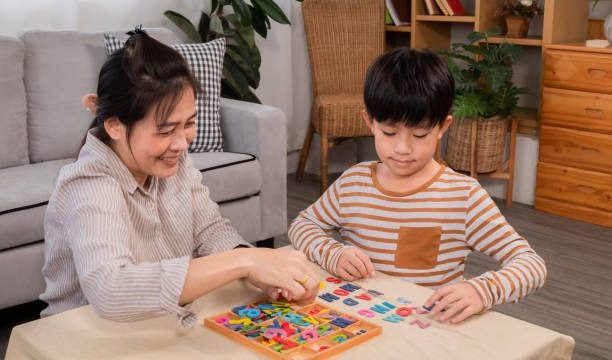
In a world increasingly dominated by screens and structured activities, the magic of creative play often gets overshadowed.
Yet, this unstructured form of play is not just a delightful pastime; it is a powerful tool for encouraging knowledge and fostering a love for learning.
As we delve into the significance of creative play, we can discover how it nurtures curiosity, problem-solving skills, and emotional intelligence in both children and adults.
The essence of creative play lies in its freedom. Unlike traditional learning environments that often emphasize rote memorization and standardized testing, creative play invites individuals to explore, experiment, and express themselves. Whether it’s building a fort out of blankets, painting a masterpiece, or role-playing a favorite story, these activities allow for a rich tapestry of experiences that can enhance cognitive development.
A gentle exploration of curiosity
Curiosity is the cornerstone of learning. When we engage in creative play, we tap into our innate desire to explore the world around us. Children, in particular, exhibit a natural curiosity that can be encouraged through imaginative activities. For instance, when a child plays with building blocks, they are not merely stacking pieces; they are experimenting with concepts of balance, gravity, and spatial awareness. Each block they place is a question posed to the universe, and every topple is a lesson learned.
This sense of inquiry doesn’t just benefit children; adults can also rediscover their curiosity through creative play. Adult coloring books, crafting, or even cooking new recipes can reignite that spark of wonder we often lose in the hustle of daily life. By allowing ourselves the freedom to explore without the pressure of perfection, we foster a mindset that values learning as a lifelong journey.
Nurturing problem-solving skills
Creative play inherently involves problem-solving. When faced with challenges—be it constructing a complex Lego structure or figuring out how to make a puppet move—individuals must think critically and creatively. This process not only enhances cognitive abilities but also builds resilience. When a child struggles to complete a puzzle or an adult experiments with a new art technique, they learn that perseverance is key to overcoming obstacles.
The beauty of creative play is that it provides a safe space to fail and try again. In structured environments, failure can often feel discouraging. Yet, in the realm of play, mistakes become stepping stones to success. This mindset can be incredibly beneficial, teaching individuals of all ages that setbacks are not the end, but rather an integral part of the learning process.
Fostering emotional intelligence
Emotional intelligence, the ability to understand and manage our emotions as well as the emotions of others, is another vital aspect of personal development that can be nurtured through creative play. Activities that involve role-playing or storytelling allow individuals to step into different shoes, promoting empathy and understanding. Children learn to navigate social situations, express their feelings, and recognize emotions in others while immersed in imaginative scenarios.
For adults, engaging in creative play can provide a therapeutic outlet for stress and anxiety. Painting, writing, or even engaging in a group game can serve as a form of emotional expression that helps to process feelings. It encourages mindfulness, allowing individuals to be present in the moment and find joy in the act of creation itself. This can lead to improved mental health and well-being.
Building connections through shared experiences
One of the most beautiful aspects of creative play is its ability to bring people together. Whether it’s a family gathering where everyone participates in a game night or a group of friends collaborating on a craft project, shared creative experiences foster connections that can deepen relationships. These moments of collaboration not only enhance social skills but also create lasting memories.
In today’s fast-paced world, carving out time for creative play with loved ones can be a refreshing way to reconnect. It encourages communication and teamwork, allowing individuals to bond over shared challenges and triumphs. The laughter and joy that arise from these experiences can strengthen ties and create a sense of community, reminding us of the importance of human connection.
Encouraging a lifelong love of learning
Ultimately, the goal of encouraging knowledge through creative play is to instill a lifelong love of learning. When we approach learning as a joyful experience rather than a chore, we are more likely to seek out new opportunities and engage with the world around us. Creative play cultivates an environment where curiosity thrives and exploration is celebrated.
As we foster this love for learning in ourselves and others, we can create a ripple effect that extends beyond individual experiences. By encouraging children to play creatively, we are equipping them with the tools they need to navigate their futures with confidence and resilience. Similarly, as adults engage in creative pursuits, they inspire those around them to embrace their own creativity and curiosity.
In a society that often prioritizes productivity and efficiency, it is essential to remember the value of creative play. By allowing ourselves the freedom to explore, express, and connect, we not only enrich our own lives but also nurture the minds and hearts of the next generation. Embracing creative play is a gentle reminder that learning can be a joyful, playful journey—a journey worth taking, one imaginative step at a time.