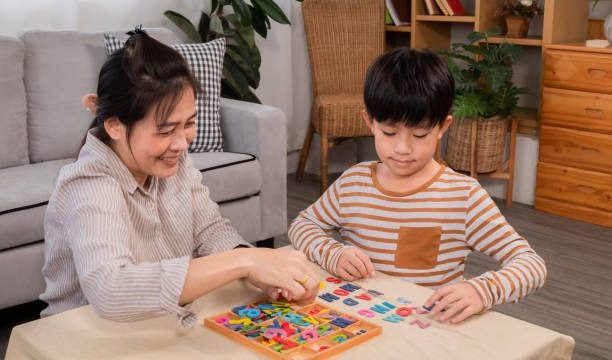
In the gentle world of childhood, play serves as more than just a delightful pastime; it is a fundamental building block of development.
Play is where young minds begin to explore, experiment, and make choices.
As children engage in various forms of play, they are unknowingly honing their decision-making skills, laying the groundwork for future cognitive growth.
The essence of play is rooted in freedom, creativity, and exploration. When children play, they enter a realm where rules can be bent, and possibilities are endless. This environment encourages them to make choices, whether it’s deciding which game to play, what role to assume, or how to solve a problem that arises during their adventures. Each decision, no matter how small, contributes to their understanding of the world and their ability to navigate it.
In the early stages of life, children are naturally curious. They are like little sponges, soaking up information and experiences from their surroundings. Play gives them the opportunity to test boundaries and make choices without the fear of failure. For instance, when a child builds a tower of blocks, they are not just creating a structure; they are experimenting with balance, weight, and cause and effect. If the tower falls, they can reflect on what went wrong and make adjustments for the next attempt. This process of trial and error is essential for developing critical thinking and decision-making skills.
The social aspect of play is equally important. When children engage with their peers, they encounter various perspectives and ideas. Group play often requires negotiation and compromise, allowing children to practice making decisions that consider the feelings and opinions of others. Whether it’s deciding who gets to be the leader in a game or how to share toys, these interactions teach them about collaboration, empathy, and the importance of considering different viewpoints.
As children grow, the complexity of their play evolves. Simple games of pretend can transform into intricate role-playing scenarios that require more advanced decision-making. For example, in a game where they are pretending to be characters from their favorite stories, children must decide how their character would react in different situations. This imaginative play fosters creativity while simultaneously challenging them to think critically about their choices and the potential outcomes.
A small shift toward balance can be observed when children begin to engage in structured play. Activities like team sports or board games introduce rules and objectives, requiring players to make strategic decisions. In these settings, children learn to weigh options, anticipate consequences, and think ahead. They begin to understand that their decisions can lead to success or failure, and this realization is crucial for their development.
Additionally, the emotional aspect of decision-making is nurtured through play. Children experience a range of emotions during their playtime adventures—excitement, frustration, joy, and disappointment. Learning to navigate these feelings is a part of making informed decisions. For instance, if a child feels upset after losing a game, they can reflect on their emotions and decide how to respond. This emotional intelligence is a significant component of effective decision-making that will benefit them throughout their lives.
The benefits of play extend beyond immediate decision-making skills. Engaging in play fosters resilience, patience, and adaptability. Children learn that not every choice will lead to the desired outcome, and that’s okay. They become equipped to handle setbacks and learn to approach future decisions with a more balanced mindset. This resilience is invaluable as they transition into more complex social and academic environments.
In today’s fast-paced world, it is essential to recognize the importance of unstructured playtime. With the rise of technology and structured activities, children may have fewer opportunities to engage in free play. Encouraging them to explore their interests, whether through art, nature, or imaginative games, can enhance their decision-making skills. Parents and caregivers can create spaces that promote creativity and exploration, allowing children the freedom to make choices and learn from their experiences.
As we consider the role of play in early decision-making, it becomes clear that it is a vital part of childhood development. The lessons learned through play are not confined to childhood but extend into adulthood. The ability to make thoughtful decisions, consider the perspectives of others, and approach challenges with resilience is invaluable in all aspects of life.
In nurturing environments where play is prioritized, we empower children to become confident decision-makers. By allowing them the freedom to explore and engage with their surroundings, we are setting the stage for lifelong learning and growth. As we reflect on the significance of play, let us celebrate the small moments of choice and creativity that shape our children’s futures, guiding them to become thoughtful, empathetic individuals.
In conclusion, play is a beautiful and essential part of childhood that goes far beyond mere entertainment. It is a powerful tool for developing early decision-making skills, fostering creativity, and nurturing emotional intelligence. As we embrace the importance of play in our children’s lives, we can support their journey toward becoming confident and capable decision-makers in a complex world.