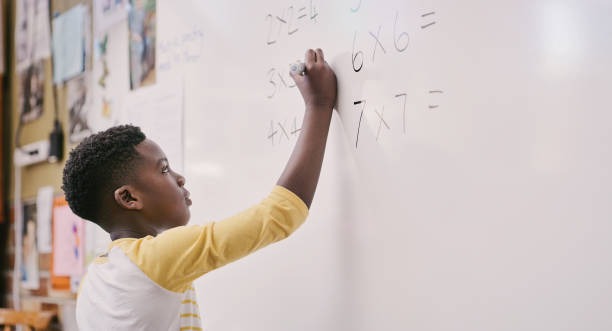
Learning Through Play for Greater Engagement
In a world that often prioritizes productivity and achievement, the concept of learning through play has emerged as a gentle reminder of the joy and effectiveness that can be found in a more playful approach to education.
As we navigate the complexities of modern life, understanding how play can enhance engagement, creativity, and overall well-being is essential for learners of all ages.
The beauty of play lies in its inherent ability to spark curiosity and ignite passion. When we think of play, images of children laughing and exploring often come to mind. However, play is not just for the young; it is a vital part of the human experience, transcending age and background. Learning through play fosters an environment where individuals feel safe to explore new ideas, make mistakes, and ultimately grow.
A gentle shift toward exploration
When we engage in playful activities, our brains become more receptive to new information. This openness is crucial for effective learning. Research suggests that when we are in a relaxed, playful state, our brain releases dopamine, a neurotransmitter associated with pleasure and motivation. This chemical reaction creates a sense of enjoyment, making it easier to absorb and retain knowledge.
Consider how children learn to navigate their world through imaginative play. They might create elaborate scenarios, take on different roles, and experiment with various outcomes. This kind of play encourages problem-solving and critical thinking, skills that are invaluable as they grow. As adults, we can harness this same spirit of creativity in our learning endeavors. Whether it’s through engaging in a hobby, participating in team-building exercises, or exploring new skills, the playful approach can lead to deeper engagement and understanding.
Creating a playful environment
To truly embrace learning through play, it’s essential to cultivate an environment that encourages exploration and creativity. This can be as simple as rearranging a workspace to make it more inviting or incorporating playful elements into a learning routine. For instance, consider using art supplies to visualize ideas or incorporating games into study sessions. These small adjustments can transform the learning experience from a chore into an exciting adventure.
Incorporating play into learning does not require a complete overhaul of existing practices. It can be as easy as introducing playful discussions during meetings, using storytelling to convey information, or encouraging collaborative projects that allow for creative expression. When individuals feel free to explore and express themselves, they are more likely to engage deeply with the material at hand.
The power of connection
One of the most appealing aspects of learning through play is its ability to foster connection. Engaging in playful activities often brings people together, creating a sense of community and shared experience. Whether through team-building exercises, collaborative projects, or simply enjoying a game with friends, these shared moments can enhance interpersonal relationships and lead to a more supportive learning environment.
In a world where technology can sometimes create distance, play offers a refreshing way to bridge gaps and foster connection. Consider the joy of a shared laugh during a light-hearted game or the camaraderie that develops during a friendly competition. These experiences not only enhance engagement but also create lasting memories and strengthen bonds.
Nurturing resilience and adaptability
Play also plays a vital role in developing resilience and adaptability. When engaging in playful activities, individuals often encounter challenges and setbacks. These moments provide opportunities to learn how to navigate difficulties, adapt strategies, and persevere. Such experiences are invaluable in both personal and professional settings, equipping individuals with the skills needed to face life’s uncertainties with confidence.
As we embrace a playful approach to learning, it’s important to remember that mistakes are part of the journey. Play allows us to experiment, fail, and try again in a low-stakes environment. This mindset fosters a culture of resilience, encouraging individuals to view challenges as opportunities for growth rather than obstacles to success.
Encouraging lifelong learning
The benefits of learning through play extend beyond immediate engagement and enjoyment; they lay the foundation for a lifelong love of learning. When individuals experience the joy of discovery in a playful context, they are more likely to carry that enthusiasm into future learning endeavors. This intrinsic motivation is a powerful force, inspiring individuals to seek out new experiences and knowledge throughout their lives.
In a world that is constantly evolving, the ability to adapt and learn continuously is invaluable. By embracing play as a mode of learning, we cultivate a mindset that values curiosity and exploration. This not only enhances individual growth but also contributes to a more innovative and adaptable society.
Finding balance in our approach
Integrating play into learning does not mean abandoning structure or discipline. Instead, it invites a more balanced approach that honors both the need for focus and the joy of exploration. Striking this balance can lead to a more fulfilling and effective learning experience.
As we navigate our busy lives, it’s essential to carve out time for play and exploration. This could be as simple as scheduling regular breaks to engage in a fun activity or dedicating time to pursue a passion project. By intentionally prioritizing play, we can enhance our overall well-being and foster a more engaging learning environment.
In conclusion, the concept of learning through play offers a refreshing perspective on engagement and growth. By embracing the joy of exploration and creativity, we open ourselves to new experiences and deeper connections. Whether you are a student, a professional, or simply someone seeking personal growth, incorporating play into your learning journey can lead to a more fulfilling and enriched life. So, let’s celebrate the power of play and allow it to guide us on our path toward greater engagement and understanding.