Learning Life Lessons Through Play
Play is often seen as a frivolous activity, something to be enjoyed in childhood but left behind as we enter adulthood.
Yet, the truth is that play is an essential part of the human experience.
It has the power to teach us valuable life lessons that can shape our character, enhance our relationships, and improve our overall well-being. Embracing play at any age opens up a world of possibilities for personal growth and connection.
The beauty of play lies in its ability to foster creativity. When we engage in playful activities, whether it’s painting, playing a game, or engaging in role-playing, we tap into our imagination. This creative outlet allows us to explore new ideas and perspectives, giving us the freedom to think outside the box. In our daily lives, this creativity can translate into innovative solutions to problems we face. It encourages us to approach challenges with a fresh mindset, reminding us that there is often more than one way to achieve our goals.
Moreover, play provides a safe space for experimentation. In a world that often emphasizes success and achievement, the fear of failure can be paralyzing. However, play invites us to take risks without the pressure of high stakes. When we engage in play, we learn that it’s okay to stumble and fall, to make mistakes and learn from them. This understanding is vital in building resilience. Each time we pick ourselves up after a playful failure, we reinforce our ability to bounce back in real-life situations. We come to realize that setbacks are not the end, but rather a part of our journey.
Another significant lesson we can learn through play is the importance of teamwork and collaboration. Many games and activities require players to work together towards a common goal. This collaborative spirit fosters communication and negotiation skills. It teaches us how to listen to others, respect different opinions, and find common ground. These skills are invaluable in our personal and professional lives, where cooperation and understanding are essential for success. Through play, we learn that we are stronger together, and that shared experiences can lead to deeper connections.
Play also encourages mindfulness. When we immerse ourselves in an activity, we become fully present in the moment. This sense of presence is often hard to find in our fast-paced lives, filled with distractions and responsibilities. Engaging in playful activities allows us to slow down and savor the experience. Whether it’s the joy of tossing a frisbee in the park or the satisfaction of completing a puzzle, these moments of focus help us cultivate a sense of gratitude. We learn to appreciate the simple pleasures in life, which can significantly enhance our overall happiness.
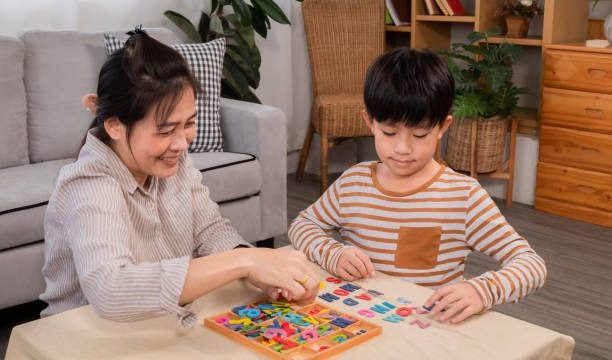
As we grow older, the notion of play often becomes intertwined with guilt. We may feel that there are more productive ways to spend our time. However, it’s crucial to recognize that play is not a waste of time; it is a necessary investment in our well-being. Allowing ourselves to engage in playful activities rejuvenates our spirit and fosters a sense of joy. It can be as simple as taking a walk in nature, playing board games with friends, or indulging in a creative hobby. Each act of play is a step toward nurturing our inner child and maintaining a balanced life.
The lessons learned through play extend beyond ourselves. When we engage in playful activities with others, we create shared memories that strengthen our bonds. These moments of laughter and joy become the fabric of our relationships, providing us with a sense of belonging and community. In a time when many feel isolated, play can be a bridge that connects us to others. It reminds us of our shared humanity and the importance of nurturing our connections.
A small shift toward balance can be achieved by incorporating play into our daily routines. It doesn’t have to be extravagant; even small moments of lightheartedness can make a significant difference. Consider setting aside time for activities that spark joy, whether it’s a dance party in your living room, a game night with family, or an art session with friends. By prioritizing play, we create a counterbalance to the seriousness of life, allowing ourselves to recharge and reconnect with what truly matters.
In conclusion, play is a powerful teacher, offering us valuable life lessons that extend far beyond the confines of childhood. It nurtures creativity, encourages resilience, fosters collaboration, promotes mindfulness, and builds connections. By embracing play at any age, we open ourselves up to a world of growth and fulfillment. So, let us not shy away from the joy of play. Instead, let us welcome it into our lives, allowing it to guide us in our journey toward a more balanced and meaningful existence. After all, life is not just about the destination; it’s about the joy we find along the way.