Play is often seen as a simple pastime, a way for children to pass the time and burn off energy.
However, it is much more than that.
Play is a fundamental aspect of childhood that serves as a powerful tool for learning and understanding the world. As parents and caregivers, recognizing the importance of play in a child’s development can open up new avenues for communication, connection, and growth.
When children engage in play, they are not just having fun; they are exploring their environment, experimenting with different roles, and processing their emotions. Every game they play, whether it’s pretending to be a superhero or building a fort, is a chance for them to learn about themselves and the world around them. Through play, children develop critical skills such as problem-solving, creativity, and social interaction. These skills lay the foundation for their future learning and personal development.
One of the most beautiful aspects of play is its ability to provide children with a safe space to express their thoughts and feelings. For instance, a child may act out a scenario where they feel scared or confused, using toys to represent their emotions. This imaginative play not only helps them make sense of their experiences but also allows caregivers to gain insights into their inner world. By observing how children engage in play, adults can better understand their fears, hopes, and dreams, ultimately fostering a deeper connection.
Creating a nurturing environment that encourages play is essential. This doesn’t necessarily mean having a room full of toys; rather, it’s about providing opportunities for exploration and creativity. Simple items like cardboard boxes, art supplies, or even outdoor spaces can spark a child’s imagination. The goal is to let children take the lead, allowing their curiosity to guide them. When they feel free to explore without pressure, the learning becomes organic.
A small shift toward balance can also be beneficial. In our fast-paced world, it’s easy to fall into the trap of structured activities and scheduled playdates. While these can be valuable, it’s essential to carve out unstructured playtime where children can follow their interests without adult intervention. This kind of play nurtures independence and decision-making skills, as children learn to navigate their own ideas and desires.
Play is also a wonderful way for children to learn about social dynamics. Whether it’s negotiating the rules of a game or cooperating to build a shared project, children learn vital lessons in communication and collaboration. These interactions help them develop empathy and understanding for others, as they begin to see things from different perspectives. In a world that often feels divided, these skills are more crucial than ever.
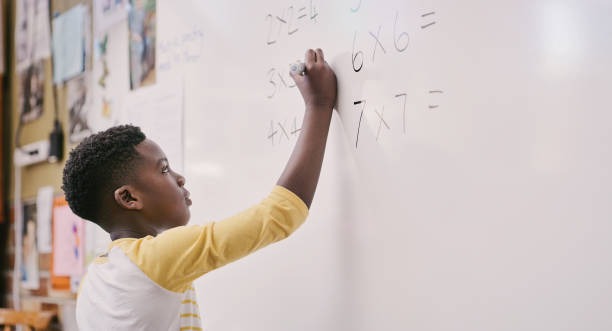
Incorporating play into everyday routines can enhance a child’s understanding of various concepts. For example, cooking together can turn into a delightful science experiment. Measuring ingredients allows children to grasp basic math skills while they learn about cause and effect when mixing different elements. Similarly, playing with blocks not only encourages creativity but also introduces foundational principles of physics and engineering.
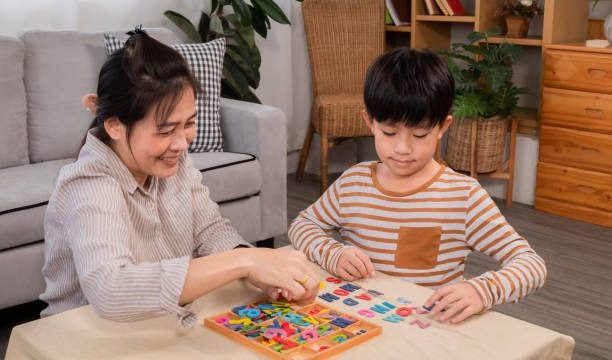
As children grow, their play evolves, reflecting their expanding interests and understanding. Encouraging this evolution is vital. Engaging with them in their chosen games can strengthen your bond and provide opportunities for meaningful conversations. When a child invites you into their imaginative world, it’s an invitation to share in their joy and creativity. It’s important to respond with enthusiasm, validating their interests and being present in the moment.
While play is often joyful, it can also be a space for children to process difficult emotions. A child who has experienced a change, such as moving to a new home or welcoming a sibling, may use play to work through their feelings. This can manifest in various ways—perhaps through role-playing scenarios that mirror their experiences or through art that expresses their emotions. As caregivers, it’s essential to be attuned to these signals and provide a supportive environment where children feel safe to express their feelings.
Moreover, the benefits of play extend beyond childhood. The skills and lessons learned during playtime can have lasting impacts as children transition into adulthood. Creative thinking, resilience in problem-solving, and the ability to work collaboratively are attributes that serve individuals throughout their lives. By fostering a love for play early on, we are equipping children with the tools they need to navigate an ever-changing world.
As we reflect on the importance of play, it’s vital to embrace the idea that learning doesn’t have to be a serious endeavor. The joy found in play can lead to profound understanding and growth. Encouraging children to explore, question, and create allows them to form their own connections and insights.
In conclusion, play is a powerful vehicle for understanding and personal development in children. It offers a rich tapestry of experiences that help them navigate their emotions, develop social skills, and foster creativity. By prioritizing play in their daily lives, we support their journey of discovery and growth. Ultimately, it is through these playful interactions that we nurture well-rounded, resilient individuals prepared to take on the world. Embracing the beauty of play is a gift we give not only to our children but also to ourselves, as we participate in their wondrous adventures of understanding.