Encouraging Natural Learning Through Play
In the gentle rhythm of childhood, play is often the most delightful melody.
Children, with their boundless energy and curiosity, engage in play not just for entertainment, but as a vital avenue for learning.
This natural inclination to explore and discover is the essence of how they understand the world around them. Encouraging this type of learning through play can nurture creativity, build resilience, and foster social skills in ways that structured learning sometimes cannot.
Play is a child’s first language, a medium through which they express thoughts and emotions. From the moment they pick up a toy or engage in imaginative scenarios, they are experimenting with concepts ranging from physics to social dynamics. When children build a tower of blocks, they are not just stacking; they are learning about balance, gravity, and cause and effect. Each topple teaches them resilience, while each successful construction builds confidence. This natural learning process is rich and multifaceted, much like the experiences they encounter every day.
Creating an environment that encourages natural learning through play doesn’t require elaborate setups or expensive toys. Rather, it calls for a nurturing atmosphere where curiosity is welcomed and exploration is encouraged. Simple items like cardboard boxes, kitchen utensils, and nature found outside can transform into tools for discovery. A box can become a spaceship, a fort, or a treasure chest, limited only by a child’s imagination. Such open-ended play fosters creativity, allowing children to take the reins of their learning journey.
A small shift toward balance can also come from allowing unstructured playtime. In our fast-paced world, the tendency to overschedule children with activities can overshadow their natural desire to explore. Giving them time to engage in free play allows them to make choices, solve problems, and collaborate with peers. This freedom nurtures independence and critical thinking, skills that are invaluable as they grow. The beauty of unstructured play is that it often leads to unexpected learning moments—whether it’s negotiating roles in a game, discovering how to share resources, or even learning to cope with disappointment when things don’t go as planned.
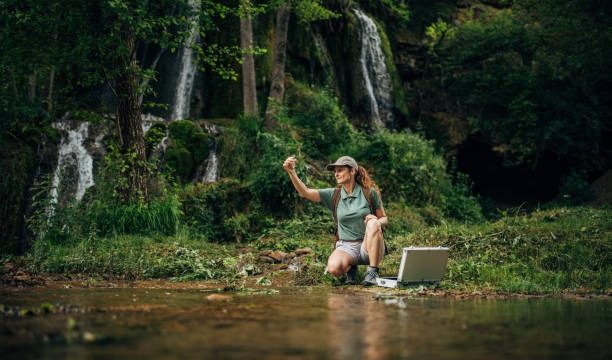
Nature, with its myriad wonders, serves as an incredible backdrop for play. Outdoor exploration invites children to engage with their surroundings in meaningful ways. Whether they are climbing trees, collecting leaves, or observing insects, nature encourages sensory experiences that are vital for development. The textures, colors, and sounds of the outdoors stimulate their senses and spark curiosity. This connection to nature can also promote mindfulness, grounding children in the present moment as they engage in the world around them.
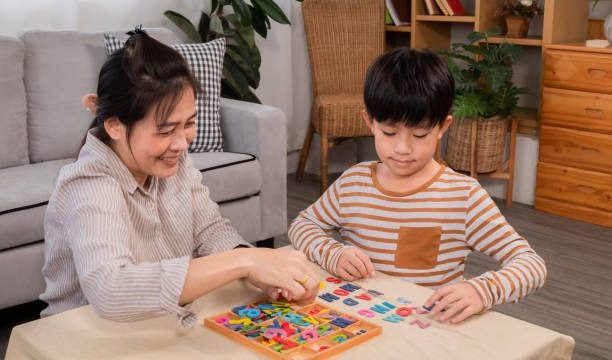
Social interaction is another essential component of learning through play. When children play together, they navigate complex social landscapes, learning to communicate, cooperate, and empathize. These interactions are foundational for emotional intelligence, as they learn to recognize feelings in themselves and others. Whether it’s through cooperative games or imaginative storytelling, the bonds formed during play can lead to lasting friendships and a sense of community.
It’s also important for caregivers to step back and observe rather than direct. While it can be tempting to intervene and guide play, allowing children to lead fosters their autonomy. This doesn’t mean neglecting their needs or safety; rather, it’s about trusting them to explore at their own pace. Caregivers can support this exploration by providing encouragement and asking open-ended questions that stimulate thinking. A simple “What do you think will happen if you add more blocks?” can prompt a child to think critically about their actions without dictating how they should play.
In our digital age, screen time is a prevalent aspect of childhood. While technology can offer educational benefits, it’s essential to balance this with hands-on, active play. Encouraging children to engage with the physical world around them can enhance their cognitive and motor skills in ways that screen-based activities cannot. Incorporating nature walks, arts and crafts, or even cooking together can provide rich, tactile experiences that complement their digital interactions.
As children grow, their play evolves, often reflecting their developing interests and identities. Embracing this evolution is key to supporting their natural learning journey. Whether they gravitate toward sports, art, or science, providing resources and opportunities in these areas can help cultivate their passions. Celebrating their unique interests not only boosts their confidence but also reinforces the idea that learning can be fun and fulfilling.
Moreover, fostering a culture of play within the family can strengthen bonds and create cherished memories. Family game nights, outdoor adventures, or even collaborative art projects can be wonderful opportunities for connection. These shared experiences not only promote learning but also build a supportive environment where children feel safe to express themselves and explore their interests.
In the grand tapestry of childhood, play serves as a vital thread, weaving together experiences of learning, growth, and joy. By encouraging natural learning through play, caregivers can nurture not only the intellect but also the heart and spirit of children. This holistic approach to learning fosters a love for discovery that can last a lifetime.
As we reflect on the importance of play, let us remember to embrace the wonder and joy it brings. By creating spaces for exploration, allowing for unstructured time, and nurturing social interactions, we can help children thrive in their learning journeys. After all, in the world of childhood, play is not just an activity; it is a pathway to understanding, connection, and endless possibilities.