Exploring Nature Concepts Through Play
In a world where technology often dominates our daily lives, the simple pleasures of nature can sometimes feel distant.
Yet, there’s a growing understanding of the importance of reconnecting with our natural environment, especially for children.
Exploring nature through play not only fosters creativity and curiosity but also nurtures a deeper appreciation for the world around us.
The beauty of nature is that it offers an ever-changing backdrop for discovery. From the gentle rustle of leaves to the vibrant colors of wildflowers, every aspect invites exploration. Engaging with these elements through play allows children—and adults—to immerse themselves in the wonders of the outdoors. It’s a delightful way to learn about ecosystems, weather patterns, and the intricate relationships between living organisms.
Finding joy in the small moments
Let’s take a moment to consider the simple act of playing outside. Whether it’s tossing a frisbee in the park, climbing trees, or simply lying on the grass and watching clouds float by, these activities are more than just fun. They are opportunities for connection. Children can learn about gravity while climbing, explore textures by feeling bark and leaves, or even practice their storytelling skills by imagining the lives of the critters they encounter.
When children engage in unstructured play, they become little scientists, observing their surroundings and asking questions. Why do leaves change color in the fall? What makes a bird sing? These queries can lead to a deeper understanding of the natural world. Parents and caregivers can nurture this curiosity by encouraging exploration and providing resources like books about local flora and fauna.
A small shift toward balance
Playing outside can also serve as a gentle reminder to find balance in our lives. In a time where screens often dominate our attention, stepping into nature can be a grounding experience. The fresh air, the sound of chirping birds, and the feeling of soil beneath our feet can bring a sense of calm.
Incorporating nature into playtime doesn’t have to be complicated. A walk in the woods can transform into a treasure hunt for interesting rocks or unique leaves. Building a fairy house using twigs and flowers can nurture creativity while honoring the environment. Such activities not only encourage imaginative play but also instill a sense of responsibility toward nature.
Connecting with the seasons
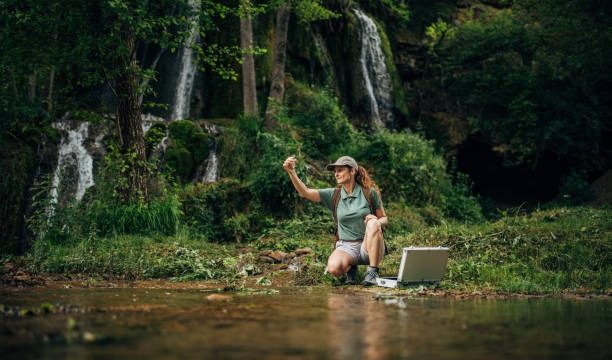
As the seasons change, so do the opportunities for play. Spring brings the joy of planting seeds and watching them grow, while summer invites adventures like picnicking or splashing in a nearby stream. Autumn, with its crisp air and colorful foliage, offers a perfect canvas for leaf art or nature-inspired scavenger hunts. Winter, too, can be magical, with snow providing a chance for snowball fights or building snowmen.
These seasonal activities allow children to understand the cyclical nature of life. They learn about growth, decay, and renewal, concepts that are fundamental in nature. Each season offers a unique set of lessons and experiences, reinforcing the idea that change is a natural part of life.
Fostering social connections
Nature play also encourages social interaction. Whether children are building a fort together or collaborating on a nature art project, they learn valuable skills like teamwork and communication. These shared experiences can strengthen friendships and create lasting memories.
Parents can facilitate these connections by organizing group outings or encouraging playdates in natural settings. The laughter of children playing together in a park or garden can be infectious, creating a warm atmosphere that fosters community.
Mindful moments in nature
As we encourage play, it’s also essential to incorporate moments of mindfulness. Taking a few minutes to sit quietly and observe the surroundings can deepen our connection to nature. This practice can be as simple as closing one’s eyes and listening to the sounds of nature or taking a deep breath to absorb the scents of flowers and grass.
Mindfulness in nature can be a powerful tool for both children and adults. It helps cultivate a sense of presence, grounding us in the moment. This practice can be especially beneficial in today’s fast-paced world, where distractions are abundant.
Creating a nature-inspired space
If access to outdoor spaces is limited, consider creating a nature-inspired area at home. A small garden filled with native plants can attract butterflies and bees, while potted herbs can engage children in gardening. Even a simple windowsill with a few plants can provide a glimpse of the natural world.
Incorporating natural elements indoors can also spark creativity. Rocks, shells, and pinecones can be used in art projects, allowing children to bring a piece of nature inside. The act of creating something beautiful from natural materials can be immensely satisfying and foster a deeper appreciation for the environment.
The lasting impact of nature play
Ultimately, exploring nature concepts through play is about fostering a lifelong love for the outdoors. As children grow and develop, the values and lessons learned during these playful experiences can shape their understanding of the world. A child who learns to appreciate the beauty of a butterfly may carry that love into adulthood, advocating for conservation and environmental stewardship.
In this fast-paced digital age, the importance of reconnecting with nature cannot be overstated. By encouraging children to play outside, we are not only enriching their lives but also nurturing a generation that values and protects our planet. So, let’s embrace the beauty of nature, one playful moment at a time.
As we step outside, let’s remember that the world is a playground filled with lessons waiting to be discovered. The next time you find yourself outdoors, take a moment to breathe in the fresh air, feel the warmth of the sun, and let the wonders of nature spark your imagination. After all, there’s no better way to explore the concepts of nature than through the joyful lens of play.