Learning Through Play to Inspire Young Minds
In a world that often prioritizes structured education and rigorous curricula, the concept of learning through play can feel refreshingly liberating.
It’s a notion that resonates deeply with educators, parents, and, most importantly, children.
Play is not merely a pastime; it is a powerful vehicle for discovery and growth. When children engage in play, they are not only having fun but also exploring their surroundings, developing social skills, and nurturing their creativity.
The beauty of play lies in its natural ability to captivate young minds. It creates an environment where learning occurs almost effortlessly, allowing children to absorb information and experiences in a way that feels organic and enjoyable. Whether it’s building with blocks, role-playing with friends, or exploring nature, each playful encounter serves as a building block for essential life skills.
A gentle exploration of creativity
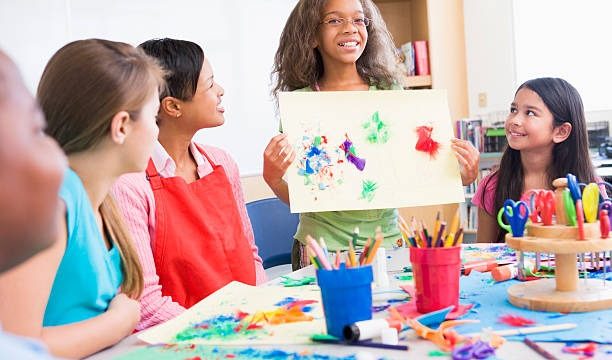
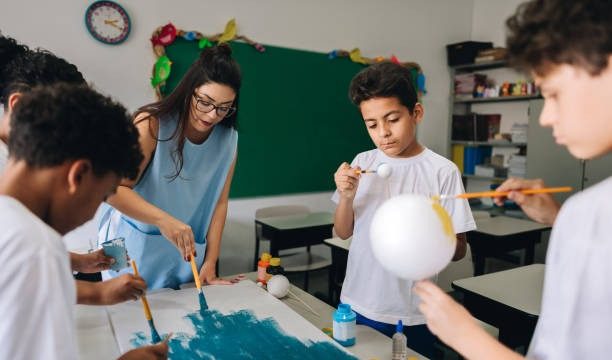
Creativity flourishes in the realm of play. When children are given the freedom to imagine and create, they unlock a world of possibilities. Simple activities like drawing, painting, or crafting can ignite their imaginations and inspire new ideas. As they experiment with colors and shapes, children learn to express themselves and communicate their thoughts. This creative exploration is not limited to art; it extends to problem-solving and critical thinking as well.
Consider a child who builds a tower out of blocks. The process involves not only physical manipulation but also cognitive skills such as planning, spatial awareness, and perseverance. If the tower falls, the child is presented with an opportunity to analyze what went wrong and try again. This iterative process fosters resilience and a growth mindset, both of which are invaluable as they navigate the challenges of life.
Fostering social connections
Play is inherently social. Whether children are playing tag in the park or engaging in a cooperative board game, they learn to interact with others in meaningful ways. These interactions help them develop vital social skills, such as sharing, empathy, and communication. Through play, children practice negotiating rules, resolving conflicts, and understanding different perspectives.
The friendships formed during play can have a lasting impact. As children engage with their peers, they learn to trust and collaborate, laying the groundwork for healthy relationships in the future. These experiences create a sense of belonging and community, which are essential for emotional well-being.
The role of nature in play
Nature provides an enchanting backdrop for play that is both stimulating and calming. Outdoor play encourages children to explore their environment, fostering a sense of wonder about the world around them. Climbing trees, collecting leaves, or simply running through a field allows children to connect with nature and develop an appreciation for the outdoors.
Research suggests that time spent in nature can enhance cognitive function and reduce stress. The sights, sounds, and textures of the natural world engage the senses and inspire curiosity. When children are encouraged to play outside, they are not only learning about their environment but also gaining a deeper understanding of themselves.
Incorporating play into daily routines
For parents and caregivers, integrating play into daily life can be a rewarding endeavor. Simple adjustments can create a playful atmosphere that nurtures learning. Mealtimes can become opportunities for creativity, with children helping to prepare meals or designing their plates in fun shapes. Even household chores can be transformed into games, turning mundane tasks into enjoyable experiences.
Creating a dedicated play space can also be beneficial. A cozy corner filled with books, art supplies, and building materials invites children to explore their interests freely. This space becomes a sanctuary for creativity and imagination, allowing children to dive into their play without distractions.
Encouraging unstructured play is equally important. While organized activities have their place, free play allows children to dictate their own experiences. It’s in these unstructured moments that they often discover new interests and develop their unique identities.
The impact of technology
In today’s digital age, the role of technology in play cannot be overlooked. While screen time is often scrutinized, there are opportunities for technology to enhance learning through play. Educational games and interactive apps can engage children in ways that stimulate their minds and promote problem-solving skills. However, it’s essential to strike a balance. Encouraging children to engage with both digital and physical play ensures they receive a well-rounded experience.
Ultimately, technology should complement, not replace, traditional forms of play. Parents can foster a healthy relationship with technology by setting boundaries and encouraging offline activities. Incorporating tech-free family time can create space for meaningful interactions and shared experiences.
Nurturing the spirit of play
As adults, it’s important to remember the value of play in our own lives. Embracing a playful attitude can inspire creativity and joy, not only for ourselves but also for the children around us. When we model playfulness, we encourage young minds to explore and experiment, fostering a lifelong love of learning.
Creating moments of play throughout the day can transform our routines. Whether it’s a spontaneous dance party in the living room or a playful outing to the park, these experiences enrich our lives and strengthen our connections with one another.
In the tapestry of childhood, learning through play is a vibrant thread that weaves together joy, creativity, and growth. By embracing the power of play, we can inspire young minds to dream, explore, and flourish. As we nurture their curiosity and imagination, we are helping to shape the innovators, thinkers, and leaders of tomorrow. In this journey of learning, let us celebrate the beauty of play and the endless possibilities it brings.