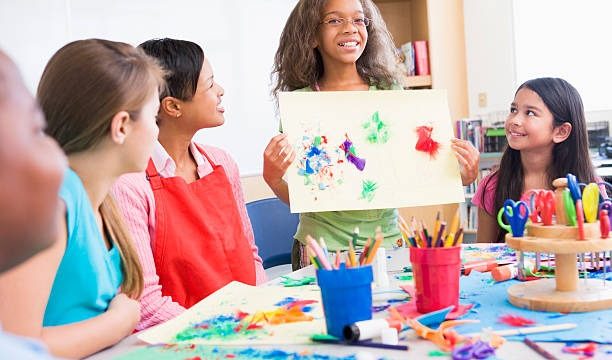
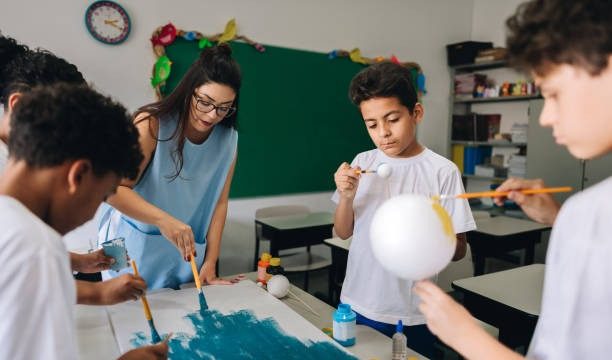
In a world that often emphasizes structure and routine, the beauty of learning through play with exploration and imagination is a gentle reminder of the joy that can be found in curiosity.
This approach to learning invites children—and indeed, adults too—to engage with the world around them in a way that fosters creativity, problem-solving, and emotional growth.
When we think of play, we might picture children in a park, swinging on swings or racing their friends. However, play is much more than just a fun way to pass the time. It is a vital part of development, allowing young minds to explore concepts, experiment with ideas, and express themselves freely. The essence of learning through play lies in its ability to blend education with enjoyment, creating an environment where discovery feels like an adventure rather than a chore.
The role of exploration in play is significant. Children are naturally inquisitive beings, often questioning everything they encounter. This curiosity is a powerful tool for learning. When children are encouraged to explore their surroundings—be it in nature, at home, or in the classroom—they engage in critical thinking and develop a deeper understanding of the world. For instance, a simple walk in the park can transform into a lesson on ecosystems, where children learn about different plants and animals. They might collect leaves or observe the behavior of birds, sparking conversations about biology and the environment.
Imagination plays a crucial role in this process as well. It is through imaginative play that children can create scenarios, role-play, and explore different perspectives. Whether they are pretending to be astronauts on a space mission or chefs in a bustling kitchen, these imaginative scenarios allow them to experiment with social roles and understand complex concepts like teamwork and empathy. As they navigate these imaginary worlds, they build resilience and adaptability, skills that will serve them well throughout their lives.
A small shift toward balance can be observed when we allow play to take center stage in the learning process. Traditionally, education has been heavily focused on academic achievement, often sidelining the importance of play. However, recent research has shown that incorporating play into learning environments can lead to improved cognitive and social outcomes. Schools that embrace this philosophy often see students who are more engaged, enthusiastic, and willing to take risks in their learning.
The beauty of learning through play is that it is not confined to a specific age group. Adults, too, can benefit from exploring their creativity and imagination. Engaging in playful activities, whether it’s painting, gardening, or even playing a game, can provide a much-needed break from the stresses of daily life. It allows us to reconnect with our inner child, fostering a sense of joy and wonder that can often get lost in the hustle and bustle of adulthood.
Creating spaces for exploration and imagination can be as simple as rearranging a room or spending time outdoors. Nature is a fantastic playground for all ages, offering endless opportunities for exploration. A walk along a nature trail can turn into a scavenger hunt for interesting rocks, leaves, or even insects. These small moments of discovery can ignite a passion for learning that lasts a lifetime.
Moreover, engaging with others during play can deepen connections and enhance social skills. Whether it’s collaborating on a project or participating in team sports, these interactions teach us valuable lessons about communication, negotiation, and understanding. They remind us that learning is not just an individual endeavor but a shared experience that can bring people together.
As we reflect on the importance of learning through play, it becomes clear that this approach nurtures not only intellectual growth but emotional well-being as well. It encourages a sense of belonging and fosters resilience in the face of challenges. When children learn to navigate their world through play, they develop confidence in their abilities, knowing that making mistakes is a part of the journey.
Incorporating play into daily life doesn’t require grand gestures or elaborate plans. It can be as simple as setting aside time each day for a creative activity, exploring a new hobby, or engaging in light-hearted conversations with friends and family. These moments of play can invigorate our spirits and inspire us to approach life with a sense of curiosity and excitement.
As we continue to navigate this complex world, the lessons learned through exploration and imagination remind us of the importance of balance. In a society that often prioritizes productivity and achievement, we must not forget the value of play. It is through play that we can cultivate a sense of wonder and joy, enrich our learning experiences, and build lasting connections with others.
In conclusion, learning through play with exploration and imagination is a powerful vehicle for growth. It invites us to embrace our curiosity, nurture our creativity, and foster connections with those around us. By prioritizing play in our lives, we not only enhance our own well-being but also inspire the next generation to approach the world with open hearts and inquisitive minds. Ultimately, it is this spirit of exploration and imagination that enriches our lives and shapes a brighter future for everyone.