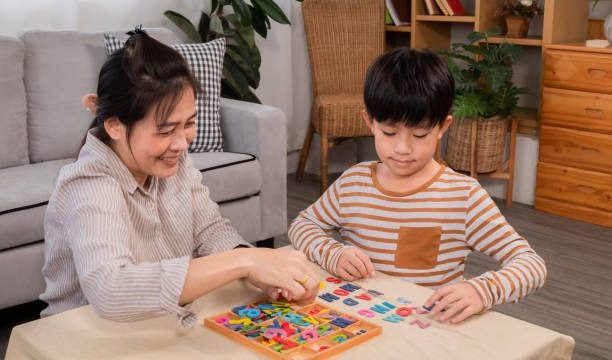
Learning Through Play in Everyday Life
In the ever-busy world we inhabit, the joy of play often takes a back seat to the demands of daily life.
Yet, the concept of learning through play is not just for children; it can enrich our adult lives too.
When we think of play, we often picture children laughing, creating, and exploring. But play is a fundamental aspect of human experience, offering us a pathway to connect, discover, and grow, regardless of our age.
The beauty of play is its inherent ability to engage us in a way that feels natural and fulfilling. It allows us to tap into our creativity, fostering an environment where learning occurs almost effortlessly. Whether it’s through engaging in hobbies, exploring new interests, or simply enjoying a game with friends, the act of play can spark curiosity and ignite our passion for learning.
A gentle reminder of the importance of play can be found in our everyday interactions. Think back to a moment spent with friends or family, where laughter filled the air as you engaged in a lighthearted game or activity. Those moments are often where the deepest connections are forged. It’s during these times that we learn about each other, share stories, and build relationships that enrich our lives.
Incorporating playful elements into our routines doesn’t have to be a grand undertaking. Small adjustments can make a significant difference. For instance, consider turning mundane tasks into games. Cooking dinner can become a delightful challenge: how quickly can you chop vegetables, or can you create a meal using only five ingredients? This not only makes the process more enjoyable but also encourages creativity in the kitchen.
Exploring new hobbies can also provide a playful outlet for learning. Whether it’s painting, gardening, or learning a musical instrument, these activities allow us to express ourselves while simultaneously acquiring new skills. The key is to approach these pursuits with a sense of curiosity and openness, allowing ourselves to make mistakes and learn from them without the pressure of perfection.
The world around us is filled with opportunities for playful learning. Nature, for instance, is a wonderful teacher. A simple walk in the park can transform into an exploration of local flora and fauna, inviting us to observe and ask questions. What birds are singing? How do the leaves change with the seasons? Engaging with our environment invites a sense of wonder and encourages us to delve deeper into the subjects that pique our interest.
Moreover, play fosters resilience. When we allow ourselves the freedom to explore and experiment, we learn to navigate challenges with a lighter heart. The process of trial and error becomes less daunting when approached with a playful mindset. This is especially relevant in our professional lives, where creativity and adaptability are increasingly valued. Embracing play in the workplace can lead to innovative ideas and collaborative solutions, making the work environment more enjoyable for everyone involved.
A small shift toward balance can also be found in the way we view leisure time. Instead of seeing it as an indulgence or a break from productivity, we can reframe it as an essential part of our growth. Engaging in playful activities can rejuvenate our minds, allowing us to return to our responsibilities with renewed energy and a clearer perspective. This balance between work and play is crucial for overall well-being, reminding us that life is meant to be enjoyed.
In our digital age, the platforms for play have expanded significantly. Video games, online courses, and virtual meet-ups offer new avenues for connection and learning. While it’s important to be mindful of screen time, these digital spaces can provide a sense of community and shared experience, especially when physical gatherings may not be possible. The key is to find a balance that works for you, ensuring that technology serves as a tool for connection rather than a substitute for real-world interactions.
As we navigate through life, it’s essential to remember that learning doesn’t have to be confined to formal settings. Every experience has the potential to teach us something new if we approach it with an open heart and a playful spirit. Embracing the joy of play can transform our everyday experiences into opportunities for growth and connection.
In conclusion, the journey of learning through play is one that invites us to explore, connect, and grow in ways we may not have considered. By weaving playful moments into our daily routines, we open ourselves up to new experiences and insights, enriching our lives and those around us. So, whether it’s through a game with friends, a new hobby, or simply taking a moment to appreciate the beauty of nature, let us embrace the playful side of life. After all, learning is a lifelong journey, and what better way to embark on it than with a sense of joy and curiosity?