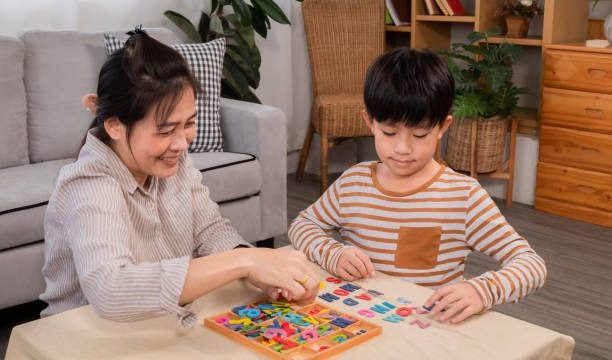
Encouraging kids to stay motivated in creative tasks is a journey that can be as colorful and varied as the projects themselves.
In a world filled with distractions and fast-paced technology, nurturing a child’s creativity can sometimes feel like a daunting task.
Yet, with a gentle approach, parents and caregivers can help children find joy and motivation in their creative endeavors.
Creativity is often an expression of a child’s inner world, a place where imagination takes flight and ideas come to life. To foster this, it’s essential to create an environment that inspires exploration without the pressure of perfection. When children feel free to express themselves, they are more likely to stay engaged and motivated.
One of the simplest ways to encourage creativity is by providing the right materials. A well-stocked art corner can be a treasure trove for budding artists. Basic supplies like paper, crayons, paints, and clay can ignite a child’s imagination. Even everyday items like old magazines, fabric scraps, and recycled materials can serve as the foundation for exciting projects. When children see that they have the tools to create, they often feel a sense of ownership over their work, which can boost their motivation.
Creating a dedicated space for creative tasks also plays a significant role in encouraging kids. This space should feel inviting and inspiring, free from distractions that might pull their attention away. A cozy nook with good lighting, some comfortable seating, and a splash of color can make all the difference. By having a designated area for creativity, children learn to associate that space with exploration and imagination, making it easier for them to dive into their projects.
Encouragement is another key component in nurturing motivation. Children thrive on positive reinforcement, and simple words of affirmation can work wonders. Instead of focusing solely on the outcome of their work, celebrate the process of creation. Acknowledge their effort and creativity, and express genuine interest in what they are making. This not only boosts their confidence but also reinforces the idea that the journey of creating is just as important as the final product.
It’s also beneficial to introduce children to a variety of creative activities. Different mediums and techniques can spark new interests and keep their curiosity alive. From painting and drawing to music, dance, and storytelling, exposing children to a range of creative outlets allows them to discover what resonates most with them. This exploration can lead to a deeper passion for a particular art form, encouraging them to invest time and energy into their chosen creative path.
Sometimes, children may feel overwhelmed by the vastness of their imagination. It can be helpful to provide gentle guidance on how to channel their ideas into tangible projects. Encouraging them to break down their creative tasks into smaller, manageable steps can make the process feel less daunting. For instance, if a child wants to create a short film, they might start by brainstorming ideas, writing a script, and then planning the filming. By guiding them through these steps, they can experience a sense of accomplishment along the way, fueling their motivation to continue.
Incorporating play into creative tasks can also enhance motivation. When children view creativity as a form of play rather than a chore, they are more likely to engage wholeheartedly. Encourage them to experiment without fear of making mistakes. Allow for improvisation and spontaneity, and remind them that some of the best ideas often come from unexpected places. By fostering a playful atmosphere, children can explore their creativity freely, leading to deeper engagement and enthusiasm for their projects.
Another important aspect of keeping kids motivated is to encourage collaboration. Creative projects can be even more enjoyable when shared with friends or family members. Working together can inspire new ideas and foster a sense of community. Organizing group activities, such as art nights or storytelling sessions, can create an environment where children feel supported in their creative endeavors. These interactions can also help build their social skills while reinforcing their motivation to create.
It’s essential to be mindful of the balance between guidance and freedom. While it’s important to provide support and encouragement, children also need space to express themselves authentically. Resist the urge to intervene too much or impose your ideas on their projects. Allow them to take creative risks, even if the results are not what you might expect. This autonomy can be incredibly empowering and often leads to unexpected and delightful outcomes.
Lastly, sharing and showcasing their work can be a powerful motivator for kids. Whether it’s displaying their art on the fridge, hosting a mini-exhibition for family and friends, or sharing their creations on a social platform with parental supervision, receiving recognition can fuel their passion for creativity. This sense of validation can inspire them to continue exploring and creating, knowing that their efforts are appreciated.
Encouraging kids to stay motivated in creative tasks is not just about fostering artistic skills; it’s about nurturing their confidence, resilience, and ability to express themselves. By creating a supportive environment filled with encouragement, resources, and opportunities for exploration, you can help your child cultivate a lifelong love for creativity.
Ultimately, the goal is to inspire joy in the creative process, enabling children to discover their unique voices and talents. As they grow, these experiences will not only enrich their creative lives but also contribute to their overall well-being, teaching them the value of self-expression and the beauty of imagination.