Building Communication Skills Through Play
In our fast-paced world, where screens often dominate interactions, the importance of effective communication can sometimes be overshadowed.
Yet, communication is a cornerstone of human connection, and nurturing this skill is essential for personal and professional growth.
One of the most delightful and effective ways to develop communication skills is through play. The act of playing, whether through games, role-playing, or imaginative scenarios, offers a natural and engaging environment for honing these vital abilities.
The joy of play is universal, transcending age and cultural boundaries. It encourages creativity, fosters relationships, and provides a safe space for exploration. When individuals engage in play, they naturally find themselves in situations that require expression, listening, and understanding. This dynamic interaction is where the magic happens, allowing communication skills to flourish in a relaxed setting.
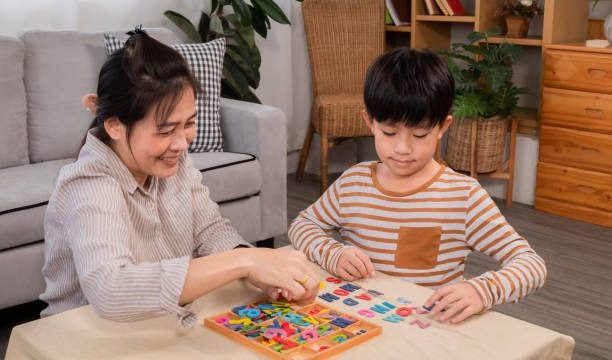
A natural starting point for improving communication through play is to engage with children. When adults play with children, they often find themselves adapting their language and tone, which is an excellent exercise in clarity and empathy. Children, with their boundless curiosity and openness, create an environment where adults can practice simplifying complex ideas and expressing themselves in ways that are relatable. This not only strengthens bonds but also enhances the adult’s ability to communicate effectively with individuals of all ages.
Play also encourages the development of active listening skills. In many games, players must pay close attention to rules, instructions, and the actions of others. This attentive participation cultivates a deeper understanding of non-verbal cues and the subtleties of conversation. By engaging in activities that require collaboration, such as team sports or board games, individuals learn the importance of listening, responding thoughtfully, and adapting their communication styles based on the context and the audience.
The beauty of play lies in its inherent ability to break down barriers. When people engage in playful activities, they often feel more comfortable expressing themselves. Laughter and joy can dissolve tension, creating a safe space for open dialogue. In this relaxed atmosphere, individuals may feel encouraged to share their thoughts and feelings more candidly. This openness is key to building trust and understanding, which are fundamental components of effective communication.
Role-playing is another powerful tool for developing communication skills. When individuals step into different characters or scenarios, they are challenged to view situations from various perspectives. This practice fosters empathy, as participants learn to consider the emotions and motivations of others. Whether it’s acting out a scene from a play or simulating a challenging conversation, role-playing allows individuals to experiment with different communication styles and responses. This exploration can lead to greater self-awareness and adaptability in real-life interactions.
Artistic play, such as drawing, painting, or crafting, also plays a significant role in enhancing communication abilities. These activities encourage individuals to express their thoughts and emotions visually, which can often be more profound than words alone. When people create together, they engage in a dialogue that transcends verbal communication. Sharing artistic creations can open up discussions about feelings, ideas, and experiences, allowing for a richer understanding of one another.
As adults, we might sometimes forget the importance of play in our lives. However, integrating playful activities into our routines can have a profound impact on our communication skills. Simple activities like playing a game with friends, joining a dance class, or even engaging in a fun conversation starter can rejuvenate our ability to connect with others. These moments of play are not just enjoyable; they are essential for fostering relationships and enhancing our ability to communicate effectively.
In the workplace, play can be a transformative element in team dynamics. Organizations that encourage playful interactions often see increased collaboration and creativity among team members. Team-building exercises that incorporate elements of play can break down hierarchical barriers, allowing for more open communication. When colleagues engage in lighthearted activities, they are more likely to share ideas and feedback in a supportive environment, ultimately leading to improved productivity and job satisfaction.
Moreover, the benefits of play extend beyond enhancing communication skills. Engaging in playful activities can reduce stress and boost overall well-being. When we allow ourselves to play, we tap into a sense of joy and freedom that can invigorate our daily lives. This uplifted spirit can further enhance our interactions with others, creating a positive feedback loop where improved communication fosters stronger relationships, which in turn encourages more play.
Incorporating play into our lives does not have to be a grand endeavor. It can be as simple as setting aside time to engage in activities that bring us joy, whether alone or with others. It’s about shifting our mindset to embrace spontaneity and creativity, allowing ourselves to step away from the seriousness of life and reconnect with the playful spirit within.
As we navigate the complexities of communication, let us remember that play is a powerful ally. It offers us a unique opportunity to learn, grow, and connect with others in meaningful ways. By embracing play as a tool for developing communication skills, we can enhance our relationships, foster empathy, and create a more understanding world. Ultimately, the art of communication is not just about exchanging words; it’s about building connections that enrich our lives and the lives of those around us. So, let’s play our way to better communication and enjoy the journey along the way.