Building Early Math Confidence Through Play
In a world that often emphasizes the importance of academic achievement, it’s easy to overlook the foundational skills that can be nurtured through simple, joyful play.
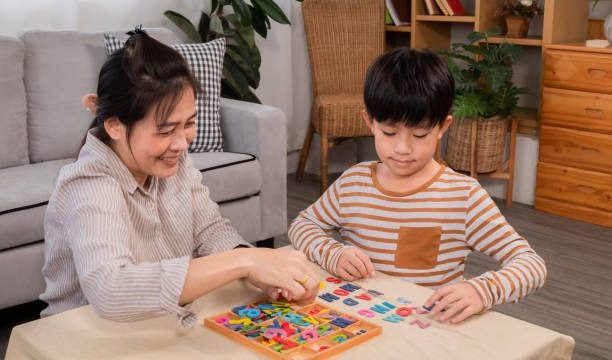
For young children, play is not just a pastime; it’s the primary way they explore their surroundings, develop social skills, and, remarkably, build early math confidence.
The beauty of incorporating math into play lies in its ability to transform what might seem like a daunting subject into an engaging and enjoyable experience.
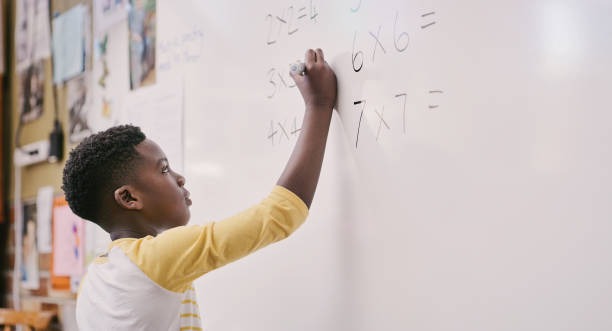
When we think of math, we might envision numbers, equations, and strict rules. However, for young minds, math is much more than that. It embodies patterns, shapes, measurements, and relationships. These concepts can be introduced through playful activities that feel natural and unforced, allowing children to grasp essential skills without the pressure of formal instruction.
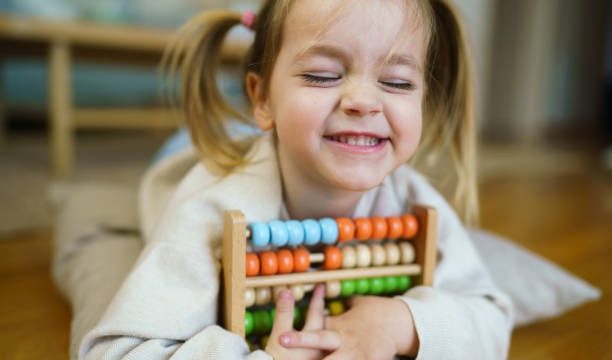
Creating a playful environment where math can thrive begins with everyday moments. Whether it’s during snack time, at the park, or while playing with toys, opportunities for mathematical exploration abound. For instance, counting the number of apple slices during snack time can transform a simple meal into a math lesson. This kind of informal counting helps children understand quantities and develop numerical awareness, all while enjoying a tasty treat.
Another delightful way to weave math into play is through building activities. Blocks, Legos, or any stacking toys invite children to explore concepts like symmetry, balance, and spatial awareness. As they construct their creations, they naturally engage in problem-solving, learning to assess how many blocks they need to reach a certain height or how to make their structure stable. This hands-on experience not only fosters creativity but also instills a sense of accomplishment that builds confidence.
Exploring shapes is another fundamental aspect of early math learning that can be seamlessly integrated into play. Consider a simple scavenger hunt around the house or garden, where children are tasked with finding objects that represent different shapes. A round ball, a square box, or a triangular slice of pizza can all serve as exciting discoveries. This playful exploration encourages children to recognize shapes in their environment, reinforcing their understanding in a fun, engaging way.
As children play, it’s also essential to encourage language that supports mathematical thinking. Phrases like “Let’s count how many steps it takes to get to the swing” or “How many more blocks do we need to make this tower taller?” help them articulate their thoughts and reasoning. This dialogue not only enhances their vocabulary but also reinforces their understanding of mathematical concepts. When children feel heard and understood, it fosters a sense of security that encourages them to explore and express their ideas freely.
Engaging with numbers doesn’t have to be confined to traditional counting. Incorporating music and rhythm can add a dynamic element to math learning. Clapping hands to a beat can introduce children to patterns, while songs that involve counting or rhyming can make numbers memorable. The joy of music combined with movement creates an inviting atmosphere for children to experiment with numbers and rhythms, reinforcing their mathematical understanding in a playful context.
Additionally, cooking and baking can serve as wonderful opportunities for math exploration. Measuring ingredients, counting how many cookies to bake, or dividing them among family members introduces children to fractions and basic arithmetic in a deliciously fun way. The tactile experience of pouring, mixing, and kneading dough not only enhances their sensory skills but also provides practical applications of math that they can relate to real life.
As parents and caregivers, it’s important to cultivate an environment where mistakes are seen as part of the learning journey. When children feel safe to take risks, they are more likely to explore new concepts without fear of failure. Celebrating their efforts, regardless of the outcome, nurtures a growth mindset, which is crucial for developing confidence in any subject, including math. Encouragement and praise for their attempts—whether they correctly counted the blocks or not—help build resilience and a positive attitude toward challenges.
Creating a regular routine for math play can also be beneficial. Setting aside specific times for playful math activities can instill a sense of anticipation and excitement. This could be a weekly game night featuring board games that involve counting or strategy, or a dedicated playdate with friends focusing on building and constructing together. Consistency fosters familiarity, and as children experience these activities regularly, they begin to view math as a fun and integral part of their lives.
It’s essential to remember that every child is unique, and their journey to building math confidence will look different. Some may thrive with hands-on activities, while others may be more drawn to visual or auditory experiences. Being attuned to their interests and preferences is key to fostering a love for math. By observing how they engage with different activities, caregivers can tailor their approach to suit each child’s strengths.
In a world that often rushes toward academic milestones, it’s vital to embrace the power of play in building early math confidence. Through simple, engaging activities that blend learning with fun, children can develop a positive relationship with math that lasts a lifetime. By fostering an environment rich in exploration, creativity, and encouragement, we can help our little ones discover that math isn’t just a subject; it’s an adventure waiting to unfold.
As we guide them through this journey, let us celebrate the small victories and remind them that every step they take in their mathematical adventures is a building block toward a brighter future. After all, a confident child today can become a capable problem-solver tomorrow, and it all begins with the joy of play.