In a world where screens often dominate our attention, the age-old concept of play is being redefined.
Play is not merely an escape from reality; it serves as a powerful vehicle for meaningful learning, especially for children.
It allows them to explore, experiment, and express themselves in ways that traditional education may not fully embrace. In this exploration, we can discover how play fosters creativity, critical thinking, and emotional intelligence, creating a rich learning experience that extends beyond the classroom.
When we think about play, we often envision children running freely in a park or engaging in imaginative games with friends. This spontaneous form of interaction is vital for their development. Through play, children learn to navigate social dynamics, practice problem-solving, and develop a sense of autonomy. These experiences are not just enjoyable; they are foundational to their growth as individuals.
A gentle shift toward balance can be observed when we encourage play that intertwines with learning objectives. For instance, when children engage in role-playing games, they step into different characters, which can enhance their empathy and understanding of diverse perspectives. This imaginative play enables them to grapple with complex social scenarios, helping them develop emotional resilience and communication skills. In essence, they are not just playing; they are learning about the world around them.
Creative play also fosters cognitive development. Activities like building with blocks or engaging in arts and crafts stimulate critical thinking and spatial awareness. As children manipulate objects, they learn about cause and effect, experimenting with different structures and designs. This hands-on approach to learning is often more impactful than traditional methods, as it allows them to make discoveries on their own terms. The joy found in these moments can ignite a lifelong love of learning.
Moreover, the beauty of play lies in its versatility. It can be tailored to suit various learning styles and interests. For instance, a child fascinated by nature might find joy in outdoor exploration, collecting leaves, and observing insects. This type of play not only nurtures their curiosity but also integrates lessons in biology, ecology, and environmental stewardship. These experiences teach children to appreciate the world around them, fostering a sense of responsibility and connection to nature.
In addition to fostering intellectual growth, play can significantly enhance social skills. When children engage in cooperative play, they learn to share, negotiate, and resolve conflicts. These interactions are crucial for developing strong interpersonal skills. In a world that often emphasizes competition, the collaborative nature of play offers a refreshing reminder of the importance of teamwork and mutual respect. Children who thrive in these environments are often better equipped to navigate the complexities of adult relationships.
Creating an environment that encourages meaningful play is essential for nurturing these skills. Parents and educators can facilitate this by providing a variety of materials and experiences that inspire creativity and exploration. Simple items like cardboard boxes, art supplies, and natural materials can transform into countless imaginative scenarios. The goal is to allow children the freedom to explore and create without the constraints of structured guidelines. This freedom fosters a sense of agency, making learning an enjoyable journey rather than a chore.
As we consider the role of play in meaningful learning, it’s important to reflect on the balance between guided and unstructured play. While both are valuable, unstructured play allows children to take the lead, fostering independence and self-direction. On the other hand, guided play, where an adult introduces specific learning objectives, can provide valuable context that enhances the play experience. Finding the right balance can create a rich tapestry of learning opportunities that cater to a child’s individual needs.
Encouraging play that promotes meaningful learning also requires us to be mindful of the environment we create. Safe, inclusive spaces where children feel comfortable to express themselves are vital. This not only applies to physical spaces but also to emotional environments. Children thrive in settings where they feel valued and heard, allowing them to take risks in their play without fear of judgment. This nurturing atmosphere lays the groundwork for lifelong learning and personal growth.
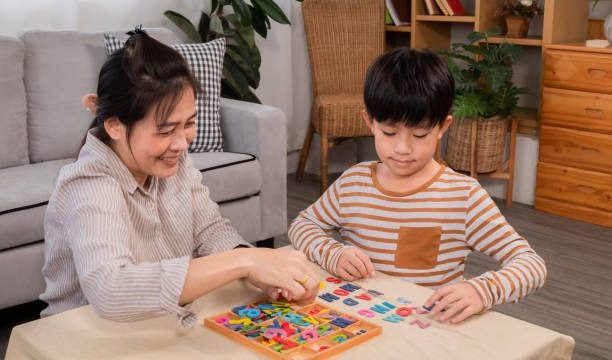
Incorporating play into everyday life can also be a delightful family affair. Simple activities, such as cooking together, gardening, or playing board games, can transform mundane moments into opportunities for learning. These shared experiences not only strengthen family bonds but also create a rich backdrop for developing skills like cooperation, patience, and creativity. The laughter and joy that accompany these activities can leave lasting impressions, reinforcing the idea that learning can be fun.
As we navigate our busy lives, it’s easy to overlook the importance of play in our own lives as adults. Embracing playfulness can lead to greater creativity, reduced stress, and improved emotional well-being. Whether it’s engaging in a hobby, exploring nature, or simply allowing ourselves to be silly, incorporating playful moments into our routine can enhance our overall quality of life.
In conclusion, play is a vital component of meaningful learning. It nurtures creativity, fosters social skills, and encourages emotional intelligence, creating a holistic approach to education. By embracing play in various forms, we can cultivate a love of learning that lasts a lifetime. As we encourage the next generation to explore, imagine, and create, we also remind ourselves of the joy that comes from engaging with the world around us. In a fast-paced society, let’s not forget the power of play in shaping our lives and enriching the learning experiences of our children.